



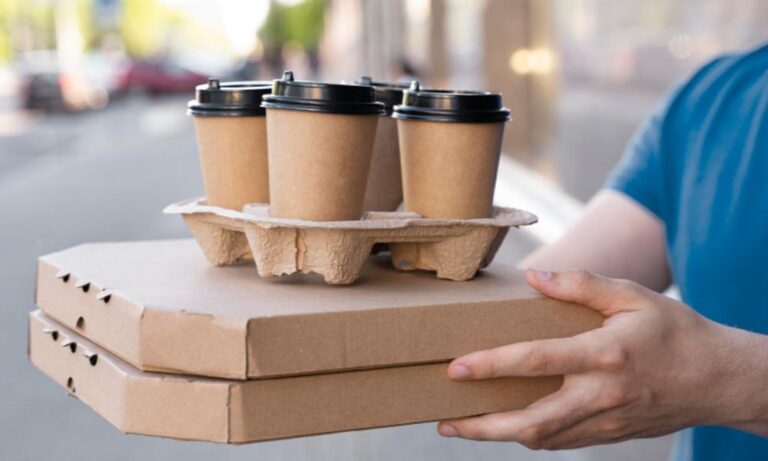
Paper food packaging manufacturers are under growing pressure to reduce environmental impact while still delivering strong performance for real-world food use. Today’s packaging must handle oily foods, hot meals, moisture, and transport stress—without breaking down too early. At the same time, brands and consumers expect packaging to be recyclable, compostable, and made with fewer harmful chemicals. Balancing all of this is not simple, but it is becoming the new standard for the industry.
One important shift is the move toward smarter materials and safer coatings. Companies such as https://univest-pack.com/ are part of a broader industry movement focused on improving paper-based food packaging systems while keeping them functional for everyday food service needs like takeout, delivery, and retail packaging. The challenge is not just making paper packaging more sustainable—it is making it sustainable without losing strength, grease resistance, and durability.
Growing Demand for Sustainable Paper Food Packaging
The global food industry is changing quickly, and packaging is at the center of that change. Restaurants, fast food chains, and grocery brands are all trying to reduce plastic waste. Paper-based packaging has become one of the top alternatives because it is renewable and easier to recycle when designed correctly.
Consumers are also pushing this shift. People want packaging that does not harm the environment after use. This means paper food packaging manufacturers must think beyond appearance and cost. They must design packaging that fits into recycling systems, composting facilities, and circular economy goals.
Another major factor is regulation. Many countries are restricting single-use plastics and chemical coatings like PFAS. This forces manufacturers to rethink how paper packaging is produced. It is no longer enough to simply replace plastic with paper. The new goal is to build smarter paper systems that perform just as well—or even better—than traditional plastic-based packaging.
Key Challenges: Grease Resistance, Moisture, and Durability
Even though paper is more sustainable, it naturally has limitations. It absorbs water and grease easily, which can make it weak or messy when used for food. This is one of the biggest problems manufacturers must solve.
Grease resistance is especially important for foods like burgers, fried chicken, pizza, and pastries. Without proper barriers, oil can soak through the packaging, making it unusable and unattractive. Moisture resistance is equally important for hot meals and takeaway containers, where steam and condensation can weaken the structure.
Durability is another key concern. Paper packaging must survive transport, stacking, and handling without collapsing. Delivery services, in particular, require packaging that can maintain shape and strength for longer periods.
To solve these problems, manufacturers often rely on coatings and treatments. However, traditional solutions like plastic laminations or harmful chemicals are no longer acceptable in many markets. This creates pressure to find safer, more sustainable alternatives that still perform well.
Innovations in Sustainable Barrier Coatings
One of the most important areas of innovation in paper food packaging is barrier technology. These coatings are what give paper resistance to grease, moisture, and oxygen.
Modern manufacturers are now using water-based coatings instead of plastic layers. These coatings form a thin protective barrier that does not interfere with recycling processes. They help maintain packaging strength while keeping the material environmentally friendly.
Another promising solution is bio-based coatings made from natural materials such as starch, cellulose, and plant proteins. These coatings can improve grease resistance while remaining compostable under the right conditions. Some companies are also experimenting with nanocellulose, which strengthens paper fibers and improves resistance without adding synthetic plastics.
Wax alternatives are also being improved. Traditional wax coatings often made recycling difficult, but newer plant-based wax systems are designed to break down more easily and reduce contamination in recycling streams.
The goal of all these innovations is the same: maintain performance while improving end-of-life sustainability. Manufacturers are carefully balancing protection and recyclability so packaging does not end up in landfills unnecessarily.
Improving Fiber Sourcing and Production Sustainability
Sustainability in paper food packaging does not start with coatings—it starts with raw materials. The quality and sourcing of paper fibers play a major role in the environmental footprint of packaging.
Responsible manufacturers are increasingly using certified sustainable forestry sources, such as FSC or PEFC-certified wood pulp. This ensures that forests are managed responsibly and replanted after harvesting. It also helps reduce deforestation and improves long-term supply stability.
Recycled fibers are another important part of the system. Using post-consumer recycled paper reduces the need for virgin materials and lowers energy consumption. However, recycled fibers must be carefully processed to maintain strength and hygiene standards suitable for food packaging.
Manufacturers are also improving production efficiency. Modern paper mills use less water and energy compared to older systems. Some facilities now rely on renewable energy sources such as biomass, wind, or solar power to reduce carbon emissions.
Chemical usage in production is also being reduced. Safer bleaching processes and cleaner pulping methods help minimize environmental harm while still producing strong and clean fibers suitable for food contact.
Design for Recyclability and Circular Systems
One of the most important principles in modern packaging design is recyclability. Even if a product is made from paper, it is not automatically recyclable. Coatings, inks, and adhesives can all affect how easily packaging can be processed.
Paper food packaging manufacturers are now designing products specifically for recycling systems. This means avoiding mixed materials whenever possible and using coatings that can separate or break down during recycling.
Simple design choices also matter. For example, reducing heavy ink coverage or avoiding plastic windows can significantly improve recyclability. Even adhesives are being redesigned to ensure they do not contaminate fiber recovery processes.
The concept of a circular economy is becoming central to packaging design. Instead of a “use and throw away” system, manufacturers are working toward packaging that can be collected, recycled, and turned into new paper products again and again.
Compostable packaging is also part of this system. When recycling is not possible, compostable materials offer an alternative end-of-life option. However, they must be clearly labeled and supported by proper composting infrastructure to be effective.
Future Trends in Paper Food Packaging Manufacturing
The future of paper food packaging is focused on smarter materials, better performance, and full lifecycle responsibility. One major trend is the use of advanced bio-materials that can replace synthetic coatings entirely.
Artificial intelligence and data are also starting to play a role in manufacturing. Companies can now analyze production processes to reduce waste, improve efficiency, and optimize material usage. This leads to lower costs and a smaller environmental footprint.
Another growing trend is lightweight packaging design. By reducing material usage while maintaining strength, manufacturers can lower transportation emissions and raw material consumption.
We are also seeing more collaboration across the supply chain. Food brands, packaging manufacturers, recycling companies, and regulators are working together to create systems that actually support recycling in practice, not just in theory.
Innovation in food safety is also increasing. New barrier technologies are being developed to extend shelf life and prevent contamination without relying on harmful chemicals. This helps reduce food waste, which is another major environmental issue linked to packaging.
Conclusion
Paper food packaging manufacturers are at the center of a major transformation in the food industry. The challenge is not just replacing plastic but creating paper-based solutions that are strong, grease-resistant, moisture-proof, and fully sustainable.
Through innovations in coatings, fiber sourcing, recycling design, and manufacturing efficiency, the industry is moving closer to packaging that supports both performance and environmental responsibility. While there is still work to do, the direction is clear: smarter materials, cleaner production, and fully circular systems are shaping the future of food packaging.
The companies that succeed will be those that can balance practicality with sustainability—delivering packaging that works in real-world conditions while also protecting the planet for the long term.
