



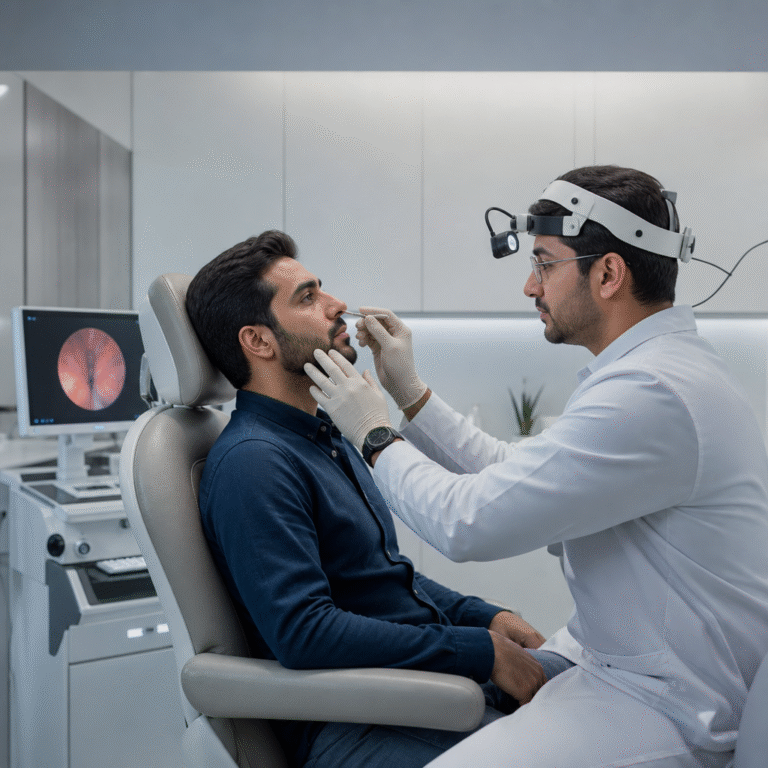
The intersection of ear, nose, and throat medicine with broader aesthetic and surgical care has never been more relevant. As patient expectations evolve and medical tourism continues to grow, leading healthcare institutions around the world are being held to higher standards than ever before. Whether a patient is seeking relief from chronic sinusitis, reconstructive nasal surgery, or a comprehensive diagnostic workup for hearing loss, the quality of specialist care they receive can define long-term outcomes. Understanding what separates exceptional ENT and aesthetic practices from average ones is essential for patients, caregivers, and healthcare professionals alike.
The Growing Demand for Specialized ENT Services
Otolaryngology, commonly known as ENT (ear, nose, and throat) medicine, is one of the most multifaceted surgical and medical specialties in modern healthcare. It encompasses everything from pediatric tonsillectomies and adult sleep apnea management to complex head and neck oncology. As populations age and urban environments expose more people to allergens, pollutants, and noise, the demand for skilled ENT specialists has surged globally.
In the Middle East, this demand has been particularly pronounced. Countries like the UAE have invested heavily in building world-class medical infrastructure to serve both local populations and international patients. The result is a new generation of specialty clinics that combine cutting-edge technology with patient-centered care models that rival the best institutions in Europe and North America.
What Patients Are Looking For in ENT Specialists
Modern patients are more informed than previous generations. They research their conditions, compare institutions, and often travel internationally to access the best care available. When evaluating an ENT practice, patients typically prioritize board-certified specialists with subspecialty training, access to advanced diagnostic imaging, minimally invasive surgical options, and a multidisciplinary approach that integrates other departments such as neurology, oncology, and audiology. Transparency in treatment planning and clear communication are equally important factors that influence patient trust and satisfaction.
The Overlap Between ENT Medicine and Aesthetic Practice
One area where ENT medicine and aesthetic medicine converge is rhinoplasty — surgical reshaping of the nose. This procedure sits at the crossroads of functional correction and cosmetic enhancement. A patient may seek rhinoplasty to address a deviated septum that impairs breathing, while simultaneously requesting aesthetic refinements to the nasal profile. This dual purpose requires a surgeon who is equally skilled in functional anatomy and aesthetic judgment.
Beyond rhinoplasty, ENT specialists often collaborate with facial plastic surgeons on procedures involving the ears, jaw, and neck. As leading aesthetic clinics continue to raise the bar for patient outcomes and procedural excellence, ENT departments are increasingly expected to match that standard — not just in surgical skill, but in patient experience, aftercare, and long-term follow-up protocols.
Technology as a Differentiator in Modern ENT Care
Advanced technology has become a defining feature of top-tier ENT practices. Endoscopic sinus surgery, robotic-assisted procedures, intraoperative navigation systems, and high-resolution imaging have transformed what is possible in the operating room. Equally important are the diagnostic tools used before surgery — audiometric testing, laryngoscopy, sleep studies, and allergy panels that allow clinicians to build a precise picture of each patient’s condition before recommending any intervention.
Telemedicine has also entered the ENT space, enabling remote consultations for patients in underserved regions or those who wish to seek a second opinion from a specialist abroad. This shift toward digital-first patient engagement is reshaping how ENT departments attract and retain patients across borders.
Cleveland Clinic Abu Dhabi: A Benchmark for ENT Excellence in the Region
When evaluating world-class ENT care in the Middle East, Cleveland Clinic Abu Dhabi consistently stands out as a benchmark institution. Patients seeking expert ent care at this facility benefit from a team of internationally trained specialists who bring subspecialty expertise across the full spectrum of otolaryngology — from pediatric airway disorders and cochlear implantation to complex skull base surgery and voice disorders. The department operates within a fully integrated academic medical center, meaning that ENT patients have seamless access to neurology, oncology, radiology, and other disciplines when their condition requires a multidisciplinary approach.
What distinguishes Cleveland Clinic Abu Dhabi’s ENT department is not just the credentials of its physicians, but the systems and culture built around patient safety and outcomes measurement. Every clinical decision is guided by evidence-based protocols, and outcomes data is tracked and reviewed to ensure continuous improvement. This commitment to quality aligns with the broader Cleveland Clinic model, which has long been recognized as one of the most rigorous healthcare systems in the world.
Serving a Diverse, International Patient Population
Abu Dhabi’s position as a global city means that Cleveland Clinic Abu Dhabi serves patients from dozens of nationalities, each with unique cultural expectations, language needs, and medical histories. The ENT department is equipped to handle this diversity through multilingual staff, culturally sensitive care practices, and the ability to coordinate with referring physicians in other countries. For international patients, this level of coordination is not a luxury — it is a necessity for safe, effective care.
Global Equity in Surgical Access: A Broader Perspective
While institutions like Cleveland Clinic Abu Dhabi represent the pinnacle of specialty care, it is important to acknowledge that access to quality ENT and surgical services remains deeply unequal across the globe. Millions of people in low- and middle-income countries live with untreated hearing loss, chronic sinusitis, or head and neck cancers simply because the specialists and infrastructure needed to treat them do not exist in their communities.
Efforts to address this disparity are gaining momentum. Research and advocacy from institutions like Harvard Medical School have highlighted the urgent need for expanded surgical access worldwide. A bold global surgery initiative focused on access and equity outlines how coordinated international efforts can reduce the burden of untreated surgical conditions, including those managed by ENT specialists. These initiatives remind us that excellence in medicine must be paired with a commitment to reach those who need it most.
Conclusion: Choosing the Right ENT Care in a Competitive Landscape
The landscape of ENT medicine is evolving rapidly, shaped by technological innovation, rising patient expectations, and a growing awareness of global health disparities. For patients navigating this landscape, the key is to seek out institutions that combine clinical expertise with a genuine commitment to patient outcomes — not just impressive facilities or marketing claims.
Whether you are managing a chronic condition, considering a surgical procedure, or simply seeking a thorough diagnostic evaluation, the quality of your ENT specialist and the institution supporting them will have a lasting impact on your health. In a region where medical excellence is increasingly accessible, patients in the Middle East and beyond are fortunate to have world-class options available to them. The standard has been set — and the best ENT practices are meeting it every day.
