



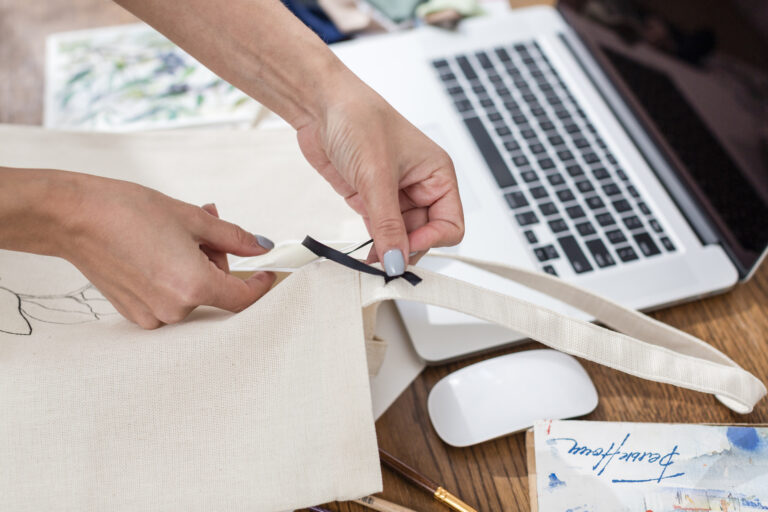
In the world of apparel and accessories, a tote bag is far more than just a sack with handles. It is a walking billboard, a functional tool, and if designed correctly, a permanent fixture in a customer’s daily routine. When sourcing from a tote bag manufacturer, the first technical fork in the road is usually the choice between standard cotton and heavy-duty canvas.
While these materials share a common origin, the way they behave under a printing press and how they hold up after six months of use couldn’t be more different. Making the right call requires a look at the technical specs, the intended “vibe” of the brand, and the practical realities of the manufacturing floor.
Understanding the Grain: Cotton vs. Canvas
The difference between these two isn’t about the plant, but the process. Standard cotton totes are typically made from a plain weave. This results in a fabric that is soft, flexible, and relatively thin, usually falling in the 4oz to 6oz weight range. These are the bags that fold down into nothing, making them the gold standard for grocery store stash-aways or quick conference giveaways.
Canvas, however, steps into the ring with a much tighter, heavier “duck” weave. This isn’t just about thickness; it’s about structural integrity. A 10oz or 12oz canvas bag has enough “body” to stand up on its own when empty. For Custom Apparel Manufacturers, canvas is the preferred substrate when the goal is to create a retail-grade product rather than a disposable promo item. The weight alone signals to the consumer that this is a “real” bag, not just a temporary carrier.
The Print Factor: Sharp Lines vs. Deep Texture
From a production standpoint, the surface of the fabric dictates the quality of the branding. Standard cotton offers a very smooth, consistent surface. This is ideal for intricate screen printing where fine lines and small typography are involved. If the design features a complex logo with thin serifs, the tight, flat weave of a cotton tote ensures the ink lays down without bleeding into the gaps of the fabric.
Canvas brings more character to the table, but that texture requires a different approach. Because the weave is coarser, heavy ink applications like plastisol work beautifully, sitting on top of the ridges to create a bold, tactile feel. Many brands also find that canvas is the only appropriate choice for embroidery. While a thin cotton bag might pucker or tear under the thousands of needle penetrations required for a dense logo, canvas provides the tension necessary for a crisp, high-end embroidered finish. Even a custom t-shirt manufacturer will often tell clients that the heavier the fabric, the more “premium” the branding can become.
Longevity and the “Daily Driver” Test
A brand’s reach is measured by the lifespan of the bag. A lightweight cotton tote is convenient, but it has a shelf life. After a few heavy loads of groceries or a couple of cycles through a washing machine, it often loses its shape, wrinkles significantly, or begins to fray at the stress points near the handles.
Canvas is built for the long haul. It resists abrasion and handles weight without the bottom sagging or the seams straining. This durability changes the way a customer perceives the brand. When a bag lasts for years, it moves from being a “promo item” to a “daily driver, “the bag they grab for the gym, the commute, or the weekend trip. By working with a professional tote bag manufacturer to select a high-weight canvas, a brand is essentially buying years of repeated visibility rather than a few weeks of novelty.
Matching the Material to the Market
Context is everything in manufacturing. If the goal is a mass-market dropsay, 5,000 bags for a street festival, cotton is the logical winner. It’s cost-effective, easy to ship in bulk, and serves the immediate purpose of getting a logo into as many hands as possible.
But for brands looking to establish a “lifestyle” presence, canvas is the move. It carries an inherent “eco-friendly” and “rugged” aesthetic that resonates with modern consumers. Whether it’s a high-end coffee roaster or a boutique clothing line, the weight of a canvas tote justifies a higher price point and encourages the user to keep it for the long term.
Industry veterans at Custom Apparel Manufacturers often suggest looking at the “bottom line” of utility: if the bag can’t survive a heavy laptop or a gallon of milk, the branding is only as strong as the thinnest thread. Choosing between cotton and canvas isn’t just a budget decision; it’s a decision about how much weight, literally and figuratively, a brand wants to carry in the real world. Linking up with a reliable custom t-shirt manufacturer who understands these textile nuances ensures that the final product doesn’t just look good on a digital mockup, but performs in the hands of the customer.
