



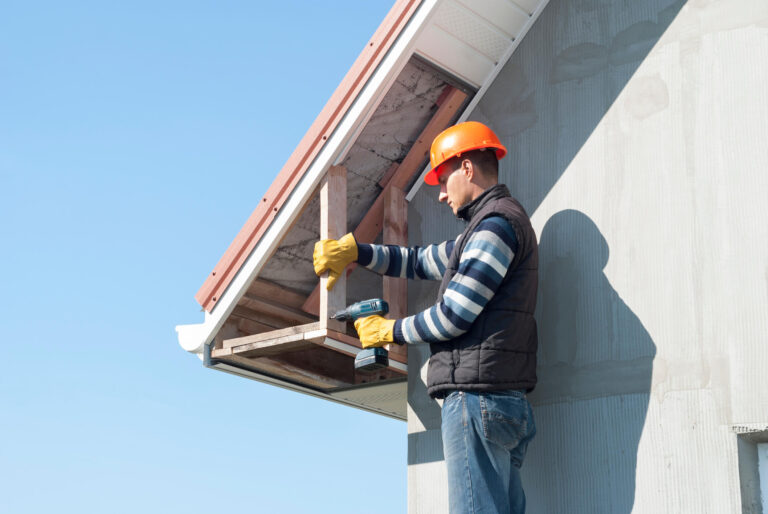
Roof protection is not only about shingles, tiles, or waterproof layers. A strong roofing system also depends on smaller structural components that quietly protect the building from moisture, pests, and weather damage. Among these, soffit and fascia are two of the most important parts. They support ventilation, improve roof strength, and help maintain a clean exterior finish. When these components become damaged or worn out, timely replacement becomes essential to avoid serious structural issues and expensive repairs. Understanding soffit and fascia replacement helps homeowners maintain durability, safety, and long-term value of their property.
Soffit and Fascia Basics
Soffit and fascia are key elements of a roof structure that work together to protect the building and maintain proper airflow. The soffit is located underneath the roof overhang, usually visible when you look up from the ground. Its main function is to allow air circulation into the attic while preventing moisture buildup. Without proper ventilation, heat and humidity can get trapped in the attic space, leading to mold growth, wood rot, and reduced energy efficiency inside the home.
The fascia is the vertical board installed along the edge of the roof. It acts as a support system for the lower edge of the roof tiles or shingles and provides a strong base for gutter installation. It also gives the roof a neat and finished appearance. Together, soffit and fascia form a protective boundary that helps control airflow, directs rainwater into gutters, and strengthens the overall roof structure.
Why Replacement Is Needed
Over time, soffit and fascia naturally deteriorate due to constant exposure to harsh weather conditions such as rain, sunlight, wind, and temperature changes. These environmental factors slowly weaken the materials, especially if they are made of wood or low-quality components. Cracks, peeling paint, sagging sections, and discoloration are common early signs of damage.
Water infiltration is another major issue that often goes unnoticed until it becomes serious. Moisture can enter through damaged soffits or fascia boards and spread into the roof structure, causing rot and weakening the wooden framework. In many cases, pests such as birds, insects, and rodents also find entry points through damaged soffits, leading to further damage inside the attic.
Ignoring these warning signs can result in costly structural repairs, insulation damage, and even roof failure in extreme cases. This is why timely Soffit and Fascia Replacement is necessary to maintain safety and prevent long-term damage.
Professional Help
Replacing soffit and fascia is not a simple DIY task because it involves working at roof height and handling structural components. It requires proper tools, safety equipment, and technical knowledge. Incorrect installation can lead to ventilation problems, water leakage, and long-term roof damage.
Professional technicians follow a structured process to ensure proper results. They first inspect the entire roof edge and attic ventilation system to identify damaged areas and hidden issues. After inspection, they carefully remove old materials without damaging the surrounding structure.
New components are then installed with proper alignment and secure fastening. Professionals also ensure that ventilation spaces are maintained correctly so that airflow is not restricted. A properly executed Soffit and Fascia Replacement not only improves durability but also enhances the overall performance of the roof system.
Material Options
There are several material options available for soffit and fascia replacement, and each has its own advantages depending on durability, maintenance, and budget. Wood is the traditional choice and offers a natural appearance, but it requires regular maintenance to protect it from moisture, insects, and decay. Without proper care, wood can deteriorate quickly.
Aluminum is a modern and widely used option because it is lightweight, durable, and resistant to rust and weather damage. It requires minimal maintenance and performs well in different environmental conditions. It is often preferred for long-term reliability.
PVC or vinyl is another popular choice due to its moisture resistance and durability. It does not rot or corrode and is available in multiple colors and finishes, making it suitable for modern architectural designs. It also requires very little maintenance compared to traditional materials.
Selecting the right material plays a major role in the success of Soffit and Fascia Replacement because it directly impacts lifespan, maintenance needs, and overall appearance of the building.
Replacement Process
The soffit and fascia replacement process begins with a detailed inspection of the roof edges and attic ventilation system. This step helps identify damage, moisture issues, and structural weaknesses that may not be visible from the outside.
Once inspection is complete, old soffit and fascia boards are carefully removed. This must be done carefully to avoid damaging the roof structure or surrounding components. After removal, the exposed area is cleaned and prepared for installation.
If any structural damage is found, it is repaired before new materials are installed. Soffit panels are then fitted with proper spacing to ensure continuous airflow into the attic. After that, fascia boards are securely installed along the roof edge to support the gutter system.Finally, the entire installation is inspected for alignment, sealing, and finishing quality. This ensures that the system is properly installed and ready to perform under different weather conditions.
Benefits
Timely replacement of soffit and fascia offers multiple long-term benefits for homeowners. One of the most important advantages is protection against water damage. Properly installed soffits and fascia help direct rainwater into gutters and prevent moisture from entering the roof structure.
Another major benefit is improved ventilation. Proper airflow in the attic helps regulate temperature and reduces humidity levels. This improves energy efficiency and reduces heating and cooling costs throughout the year.
A new soffit and fascia system also enhances the appearance of the property. Clean and well-maintained roof edges improve curb appeal and give the building a fresh and modern look. In addition, properly sealed soffits prevent pests from entering the attic, ensuring a cleaner and safer environment.Overall, Soffit and Fascia Replacement increases roof lifespan, improves energy efficiency, and reduces long-term maintenance expenses.
Common Mistakes
One of the most common mistakes homeowners make is delaying replacement until visible damage becomes severe. This often leads to more expensive repairs and possible structural damage. Early signs of deterioration should always be addressed immediately.
Another mistake is choosing low-quality materials to save money. While cheaper options may seem attractive initially, they often wear out faster and require frequent maintenance or replacement.Improper installation is also a major issue when the work is done without professional expertise. Poor fitting can lead to gaps, leaks, and ventilation problems that reduce the effectiveness of the entire roofing system. Avoiding these mistakes is essential for long-term performance and durability.
Maintenance Tips
After installation, regular maintenance plays an important role in extending the lifespan of soffit and fascia systems. Keeping gutters clean is essential because clogged gutters can cause water overflow, which puts pressure on fascia boards and leads to damage.
Periodic inspections, especially after heavy rain or storms, help identify early signs of wear or loosening. Addressing small issues early can prevent major repairs later.
Maintaining proper attic ventilation is also important to ensure continuous airflow. Homeowners should avoid painting or modifying materials without expert advice, as it may affect performance and durability. With proper care, soffit and fascia systems can last for many years without major issues.
Conclusion
Soffit and fascia may appear as minor parts of a roofing system, but they play a very important role in protecting the entire structure. They ensure proper ventilation, support water drainage, and enhance the appearance of the building. When these components become damaged, timely soffit and fascia replacement is essential to maintain roof safety and prevent costly repairs.
By choosing quality materials, professional installation, and regular maintenance, homeowners can significantly extend the lifespan of their roofing system. This not only improves structural strength but also enhances energy efficiency and property value. Proper care of soffit and fascia is ultimately an investment in long-term protection and peace of mind.
