



A home gym doesn’t have to mean converting an entire garage or filling a spare bedroom with expensive equipment. For many people, a small, well-planned exercise area is enough to make regular workouts more convenient.
The challenge is finding a balance between fitness goals and everyday living. A room that works perfectly for exercising still needs to be comfortable, safe and practical when the equipment isn’t being used.
From choosing compact exercise equipment to protecting your floors, thoughtful planning can make a significant difference.
Whether you’re turning an unused corner into a workout space or giving your garage a complete makeover, a few sensible decisions can help you create an area that supports your fitness routine without taking over your home.
Choose a Space That Works With Your Daily Routine
Before buying equipment, think carefully about where you’ll exercise.
A spare bedroom might seem like the obvious choice, but it isn’t always the most practical option. Depending on your home, a garage, conservatory or section of a larger living room could work equally well.
Consider how much space you actually need for your preferred activities.
Someone who enjoys yoga, Pilates or bodyweight exercises may only require enough room to roll out a mat and move comfortably.
Strength training, meanwhile, can require additional clearance around weights and equipment.
Ceiling height is another consideration, particularly if you plan to perform overhead exercises.
You should also think about ventilation, lighting and temperature.
A garage might provide plenty of floor space but become uncomfortable during colder months. A spare bedroom may offer better heating while having less room for larger equipment.
Try performing a few basic movements in the proposed area before making any purchases.
Stretch your arms overhead, step sideways and check whether furniture or walls restrict your movement.
It’s much easier to adjust your plans at this stage than after installing heavy equipment.
Protect Your Floors Before Installing Equipment
Flooring is often overlooked when planning a home gym, yet it can affect comfort, maintenance and the suitability of the space for different exercises.
Carpet may feel comfortable underfoot, but it can be difficult to clean after sweaty workouts and may not provide a stable surface for some equipment.
Hard floors are easier to maintain, although they can be uncomfortable for floor exercises and vulnerable to damage from weights.
This is why many homeowners consider specialist gym flooring when creating a dedicated exercise area.
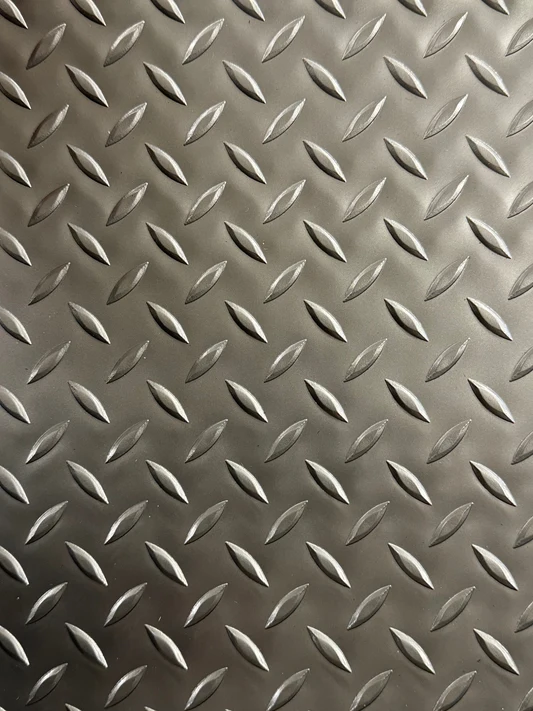
Depending on the product’s thickness, density and intended application, gym rubber flooring can provide a durable surface that helps protect the underlying floor from everyday wear and certain equipment impacts.
However, not every rubber product is suitable for heavy weights or gym use.
Always check the manufacturer’s specifications, particularly if you’re planning to use dumbbells, barbells or larger exercise machines.
For lighter activities, an exercise mat may provide sufficient comfort without requiring permanent changes to the room.
If you’re converting a garage, check the condition of the existing floor before installing any covering.
Moisture problems, uneven surfaces and damaged concrete should be addressed first.
A well-prepared floor can make the finished space easier to maintain and more enjoyable to use.
Invest in Equipment You’ll Actually Use
It’s tempting to fill a new workout space with equipment that promises an impressive fitness routine.
However, buying too much at once can quickly make a small room feel cluttered.
Start with the exercises you already enjoy or realistically expect to perform.
For general strength training, a pair of adjustable dumbbells can offer considerable flexibility without occupying the space required by a full weight rack.
Resistance bands are another compact option, particularly for controlled strength exercises and mobility work.
An exercise mat can support stretching, Pilates and floor-based movements.
If cardiovascular exercise is your priority, consider whether a folding exercise bike or compact walking treadmill would suit your space.
Before purchasing larger equipment, check its dimensions both when in use and when stored.
Some folding machines still require considerable clearance, and certain models may be too heavy to move regularly.
It’s also worth considering noise.
Running on a treadmill or using heavy weights can create vibrations that travel through floors and walls, particularly in upstairs rooms.
Choosing equipment that suits your property can help avoid unnecessary disruption.
Make Storage Part of the Design
A home gym becomes much easier to use when equipment has a designated place.
Without suitable storage, resistance bands, weights and exercise mats can quickly spread across the room.
Wall-mounted hooks may be useful for lightweight accessories, while sturdy shelving can accommodate smaller fitness items.
For heavier equipment, choose storage specifically designed to support the required weight.
A compact rack for dumbbells can help keep the floor clear and reduce the risk of tripping over loose equipment.
If your exercise space doubles as a guest bedroom or living area, consider storage that allows you to pack everything away after a workout.
Baskets, cupboards and under-bed storage can work well for lighter accessories.
However, avoid storing heavy weights in furniture that isn’t designed to support them.
Think about how frequently you’ll use each item.
Equipment needed for every workout should be easy to access, while occasional accessories can be stored further away.
Keeping the space organised makes it easier to begin exercising without spending ten minutes moving furniture or searching for equipment.
Create an Environment That Encourages Regular Exercise
A home gym should feel like somewhere you want to spend time.
Although functionality comes first, the appearance and atmosphere of the space can influence how enjoyable it feels.
Good lighting is a useful starting point.
Natural daylight can make a room feel more inviting, while suitable artificial lighting helps during early morning or evening workouts.
Ventilation is equally important.
Opening a window may be sufficient in some rooms, although garages and enclosed spaces may require additional consideration.
A mirror can be useful for checking positioning during certain exercises, provided it is securely installed and placed away from moving equipment.
You might also want a small speaker for music or a convenient position for following exercise videos.
Avoid overcrowding the room with decorative features that restrict movement.
A simple colour scheme, clear floor space and neatly stored equipment can create an appealing environment without unnecessary expense.
Most importantly, make the area convenient to use.
If starting a workout requires moving several pieces of furniture, you’re less likely to use the space consistently.
An accessible, organised setup can make regular exercise feel like a natural part of your routine.
Creating a practical home gym is less about buying expensive equipment and more about making thoughtful use of the space available.
Choosing a suitable location, protecting the floor and investing in versatile equipment can help you create an exercise area that supports your fitness goals.
Storage and room layout also deserve attention, particularly when the space needs to serve more than one purpose.
You don’t need a large property or a dedicated fitness room to enjoy exercising at home.
A carefully planned corner with a few useful pieces of equipment can be enough to support regular activity.
By focusing on comfort, safety and convenience, you can create a home workout space that fits your lifestyle and remains enjoyable to use long after the initial enthusiasm has worn off.
