



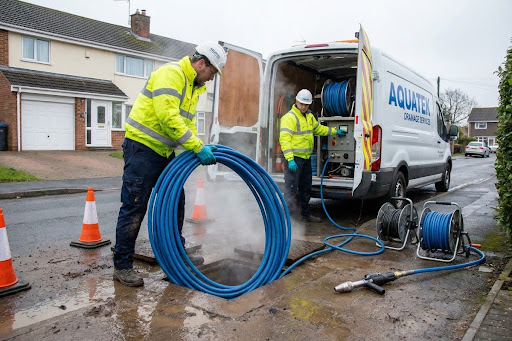
Drainage systems work quietly until a fault interrupts normal use. A complete drainage service may involve unblocking, jetting, CCTV inspection, mapping or repair depending on what the system actually needs. In London, the mix of older housing, commercial premises, extensions and shared pipework means a drainage contractor often needs to understand the whole route rather than only the fixture where symptoms appear.
Understand the Whole System
Useful diagnosis starts with the pattern. Slow flow, odours, gurgling, rising water and repeated blockages each point toward different possibilities. One affected fixture may indicate a local issue, while several affected points can suggest a deeper restriction or shared-line problem.
drainage services London should therefore combine practical clearance with enough investigation to explain the fault. The client needs to know what happened, what was done and whether the pipe appears likely to fail again. This approach turns a one-off visit into a more useful maintenance decision.
Choose the Right Method
When a blockage is actively backing up, water use should be reduced until the restriction is controlled. Additional flushing or appliance use can increase wastewater behind the obstruction and move the overflow to a more damaging location.
Clearance methods vary. Mechanical tools can remove local objects, jetting can clean grease and deposits, while specialist cutting equipment may be needed for roots or hardened material. The method should reflect pipe condition, access and the likely cause.
Investigate Recurring Faults
A complete clean is more useful than a temporary opening. If deposits remain around the pipe wall, debris can collect again quickly. This is especially common where fats, scale or silt have narrowed the internal diameter gradually over time.
Recurring faults deserve inspection rather than endless repetition. Roots, damaged joints, poor falls and structural defects can create a predictable failure point. If the same section repeatedly blocks, the maintenance history itself is evidence that something more than routine debris may be involved.
Use CCTV for Evidence
CCTV inspection can show what remains after clearance. The camera can reveal cracks, roots, deposits, offsets, collapsed sections and unexpected connections. This allows any repair recommendation to be based on visible evidence instead of guesswork.
Shared drainage can complicate responsibility and access. Several properties may connect into the same line, and symptoms inside one premises can originate further downstream. External chambers and drain mapping help establish the route and identify where normal flow stops.
Map Shared Drainage
Mapping is also useful before refurbishment or landscaping. Knowing where drains run helps protect them from accidental damage and keeps access points available for future maintenance.
Preventative maintenance works best when it reflects actual risk. Busy kitchens, offices and multi-occupancy buildings may require more frequent cleaning than a lightly used home. Sites with recurring roots or silt may benefit from periodic inspection.
Plan Preventative Maintenance
User behaviour matters too. Grease, wipes and unsuitable waste can create avoidable restrictions, while leaves and building debris can obstruct external gullies. Reducing these inputs gives the drainage system a better chance of working as designed.
A maintenance record creates useful context. Dates, affected fixtures, clearance methods and survey findings can reveal patterns that are easy to miss when each call-out is treated separately. This history can also help budget for planned repairs.
Keep a Maintenance History
Camera findings need interpretation. Not every imperfection requires urgent work, and an older pipe can remain serviceable despite visible wear. The important question is whether a finding explains the symptoms or represents a credible future failure risk.
Good communication should continue after the tools are packed away. The client should know whether the job was a routine blockage, whether a defect was identified and whether further work is necessary, optional or simply preventative.
Expect Clear Recommendations
Quick Clear Drainage or another experienced provider should help the property owner choose between maintenance, investigation and repair. The second-last consideration is whether the recommendation is proportional to the evidence, the disruption risk and the likely cost of doing nothing.
Reliable drainage care is built on the same principle: clear the immediate problem, understand the cause and act only where the evidence supports it. The strongest service combines quick response with proportionate investigation instead of automatically escalating every problem into major repair. That approach reduces repeat call-outs, unnecessary excavation and uncertainty about what the system actually needs. Regular review can also identify small developing issues before they become urgent, giving owners more control over timing, access and cost. Regular review can also identify small developing issues before they become urgent, giving owners more control over timing, access and cost. Regular review can also identify small developing issues before they become urgent, giving owners more control over timing, access and cost. Regular review can also identify small developing issues before they become urgent, giving owners more control over timing, access and cost. Regular review can also identify small developing issues before they become urgent, giving owners more control over timing, access and cost. Regular review can also identify small developing issues before they become urgent, giving owners more control over timing, access and cost. Regular review can also identify small developing issues before they become urgent, giving owners more control over timing, access and cost. Regular review can also identify small developing issues before they become urgent, giving owners more control over timing, access and cost. Regular review can also identify small developing issues before they become urgent, giving owners more control over timing, access and cost. Regular review can also identify small developing issues before they become urgent, giving owners more control over timing, access and cost. Regular review can also identify small developing issues before they become urgent, giving owners more control over timing, access and cost. Regular review can also identify small developing issues before they become urgent, giving owners more control over timing, access and cost. Regular review can also identify small developing issues before they become urgent, giving owners more control over timing, access and cost. Regular review can also identify small developing issues before they become urgent, giving owners more control over timing, access and cost. Regular review can also identify small developing issues before they become urgent, giving owners more control over timing, access and cost. Regular review can also identify small developing issues before they become urgent, giving owners more control over timing, access and cost.
