



Fashion is often presented as a choice between following the latest trends and sticking to familiar wardrobe staples. Yet there is another approach that allows for greater creativity without sacrificing comfort or practicality.
Contemporary designer fashion offers an opportunity to experiment with unusual silhouettes, interesting textures and unexpected combinations. Rather than relying on recognisable logos or fashionable colours, these clothes often make an impression through their construction and the way they are styled.
For women who enjoy expressing their personality through clothing, developing an individual wardrobe can be more rewarding than constantly buying into new trends. The key is understanding which shapes, fabrics and styling techniques work together, allowing distinctive pieces to become part of everyday dressing rather than being reserved for special occasions.
Look Beyond Conventional Clothing Silhouettes
One of the easiest ways to develop a more individual style is to reconsider the shapes of the clothes you wear.
Traditional wardrobes often rely on familiar proportions, such as fitted jackets, straight trousers and dresses that follow the body’s natural outline. Although these pieces have their place, experimenting with alternative silhouettes can introduce an entirely different character.
Oversized shirts, asymmetric dresses, wide-leg trousers and sculptural coats are all examples of garments that challenge conventional tailoring.
The secret to wearing unusual shapes successfully is understanding proportion.
For example, a voluminous tunic can look particularly effective with slim trousers and ankle boots. Alternatively, wide trousers can be paired with a shorter, structured jacket to create contrast.
Not every outfit needs a fitted element, either. Combining relaxed pieces can produce an interesting look when their lengths, fabrics and shapes complement one another.
Pay attention to where garments finish on the body. A jacket ending at the waist creates a different impression from one finishing at the thigh, particularly when worn over a long dress.
Small adjustments to these proportions can completely change an outfit without requiring additional clothing.
Discover the Appeal of Avant-Garde Fashion
Avant-garde fashion is associated with experimentation, unconventional construction and designs that move beyond traditional clothing rules.
Although the term sometimes brings to mind dramatic runway outfits, many contemporary designers incorporate experimental ideas into garments intended for everyday wear.
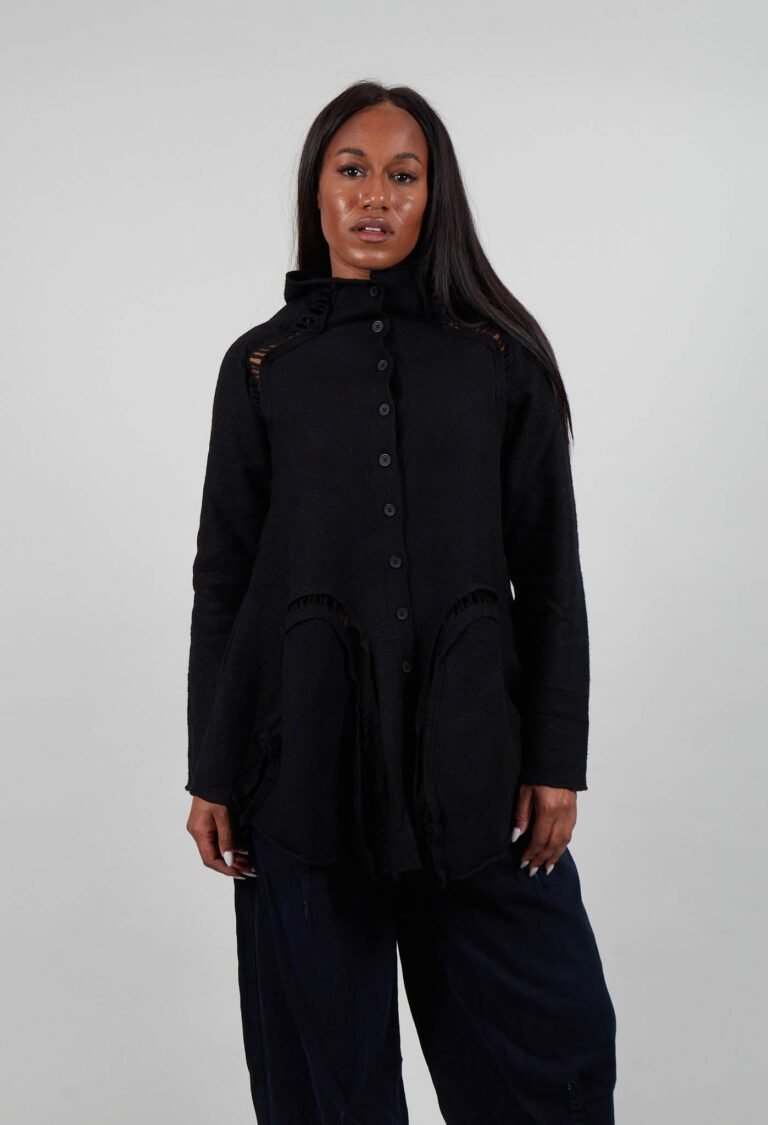
These might include uneven hemlines, unexpected seams, exaggerated pockets or layers that create movement when walking.
The appeal lies in the details. A relatively simple black dress, for example, can become far more interesting through asymmetric draping or an unusual neckline.
Designers associated with creative European fashion frequently explore these ideas while maintaining a balance between individuality and wearability.
Collections such as Rundholz black label demonstrate how relaxed silhouettes, creative construction and versatile fabrics can bring elements of avant-garde design into an everyday wardrobe.
For someone exploring this style for the first time, starting with one distinctive garment is often easier than attempting a complete wardrobe transformation.
A relaxed designer dress or an unusually shaped jacket can introduce a new direction while still working alongside familiar clothing.
Over time, experimenting with different cuts can help establish which styles feel comfortable and genuinely reflect personal taste.
Use Layering to Create More Interesting Outfits
Layering is often treated as a practical response to colder weather, but it can also be one of the most effective ways to introduce individuality into an outfit.
Combining garments of different lengths creates depth and allows relatively simple pieces to become more visually interesting.
A long shirt worn beneath a cropped jumper, for instance, introduces contrast without requiring bold colours or patterns.
Similarly, a lightweight tunic layered over a dress can create an entirely different silhouette.
When experimenting with layers, fabric weight deserves particular attention.
Combining several heavy garments can make an outfit feel bulky, whereas lightweight jersey, fine knitwear and soft woven fabrics often sit more comfortably together.
Texture also plays an important role. A smooth cotton shirt beneath a textured cardigan can create subtle contrast, even when both garments are similar in colour.
For a more considered appearance, try keeping the overall colour palette relatively consistent while varying the lengths and textures of individual pieces.
This approach allows the construction of the clothing to become the main feature.
Layering also provides greater flexibility throughout the year. Lightweight dresses can be worn with knitwear and boots during autumn, then styled with simpler accessories when temperatures rise.
Build a Colour Palette That Reflects Your Personality
Developing an individual wardrobe does not necessarily mean wearing bright colours or striking prints.
Some of the most distinctive outfits use a limited palette, relying instead on texture and proportion to create interest.
Black, charcoal, cream and earthy shades can provide a versatile foundation for contemporary clothing. These colours are particularly effective when combining garments with unusual shapes.
However, introducing colour can bring another dimension to a wardrobe.
Deep green, burnt orange, cobalt blue or rich burgundy can work as accent colours alongside more neutral pieces.
Rather than purchasing several unrelated statement garments, consider choosing a small selection of colours that complement clothes you already own.
For example, a colourful oversized coat could work with black trousers, a neutral knit and simple boots.
Alternatively, a brightly coloured dress can become the central feature of an outfit, with accessories kept understated.
Prints offer another opportunity for experimentation. Abstract patterns, irregular stripes and artistic motifs can add character without feeling overly decorative.
The aim is not to create a perfectly coordinated wardrobe, but to develop enough consistency that different pieces can be combined confidently.
Choose Clothing That Works Beyond One Season
A distinctive wardrobe becomes more practical when individual garments can be worn in several different ways.
Before investing in contemporary designer clothing, consider how a piece might work with your existing wardrobe.
An oversized shirt could be worn with tailored trousers for work, layered over a dress at the weekend or styled open over a simple top.
Likewise, a relaxed black dress might look understated with trainers but take on a completely different character with sculptural jewellery and statement boots.
Fabric choice is equally important.
Cotton, linen, jersey and lightweight knitwear offer different qualities, so consider how each material feels, moves and responds to layering.
It is also worth checking garment measurements rather than relying entirely on standard sizing. Unconventional clothing may be intentionally oversized, asymmetric or loosely structured, meaning the desired fit can differ from familiar high-street styles.
Taking time to understand how a garment is designed to sit on the body can make shopping for independent fashion much more satisfying.
Ultimately, versatility does not have to mean simplicity. A garment can have an unusual design and still become one of the most frequently worn pieces in a wardrobe.
Developing an individual wardrobe is less about abandoning familiar clothing and more about discovering new ways to combine shapes, textures and colours.
Contemporary designer fashion provides plenty of opportunities to experiment, particularly through relaxed silhouettes, asymmetric construction and creative layering.
Starting with a single distinctive piece allows you to explore unfamiliar styles without feeling that every item in your wardrobe needs replacing.
As your confidence grows, different combinations begin to feel more natural, and clothing becomes a reflection of personal taste rather than a response to seasonal trends.
The most successful wardrobes are not necessarily the largest or most expensive. They are the ones filled with garments that feel comfortable, offer styling possibilities and make getting dressed an enjoyable expression of individuality.
