



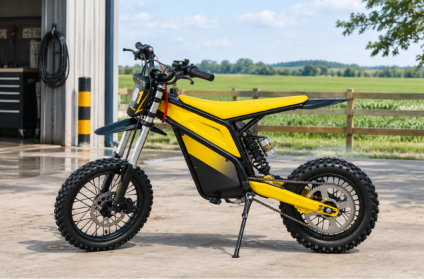
A bike that stops several turns away from the parking area creates two separate tasks: looking after the rider and getting the machine back. Carrying tools does not solve both problems, and a phone signal is not guaranteed where the bike comes to rest. A pickup plan gives you options before an interrupted ride becomes a rushed attempt to drag, tow, or repair an unfamiliar problem on the trail.
The plan should suit the venue. At a managed riding park, staff may have a designated recovery procedure and access routes. On other permitted motorized land, assistance may be farther away and access more restricted. Find out what help is actually available rather than assuming another rider or a general roadside service will retrieve a bike from anywhere on the property.
Separate an emergency from an inconvenience
If someone is injured, exposed to a dangerous location, or facing another immediate threat, their welfare comes first. Use the appropriate emergency service and follow its directions. A disabled bike can wait. Do not send someone farther into uncertain terrain solely to protect the machine, and do not move an injured rider merely to make loading more convenient.
A battery that is damaged, unusually hot, smoking, or otherwise showing signs of a serious fault needs a different response from an ordinary mechanical stoppage. Keep people away and contact appropriate emergency help when warranted. Do not load a suspect battery into a passenger vehicle or attempt to open the pack. A general pickup plan is not a guide to handling a battery incident.
For a routine stoppage without those warning signs, choose a safe place to stop and assess the immediate surroundings. Avoid blocking an active route if the bike can be moved safely under the manufacturer’s guidance. Do not turn repeated restart attempts into the default response. An unknown fault deserves caution, particularly after a crash or impact.
Know what can reach the bike
Before the outing, identify permitted vehicle access points and gates. A route wide enough for a dirt bike may not accommodate a van, trailer, or recovery vehicle. A locked access gate can also change the plan completely. Ask venue staff how they identify locations and whether they need a trail number, junction name, or other reference.
Make the transport arrangement before you need it. Confirm that the vehicle, carrier or trailer, loading equipment, and securing method are suitable for the exact bike. When shopping for an electric dirt bike, include retrieval and transport requirements in the decision. A model that fits the riding plan still needs a practical way home if it cannot be ridden back.
Avoid improvising a tow with a strap between moving bikes. Terrain, braking, and a loss of control can put both riders at risk, and not every machine has an approved towing method. Ask the manufacturer or a qualified recovery provider what is appropriate. A plan that depends on an unverified towing technique is a missing plan, even if somebody in the group has done it before.
Make your location understandable
Save the venue map and parking point before departure. If reception is limited, agree on how a rider can reach a known contact location without becoming separated or entering unsafe ground. A companion should know the plan as well. Do not rely on a message marked as sending to prove that anyone has received the location.
When requesting help, describe the situation without guessing the fault. The useful information includes the exact model, where it is, whether it can roll, whether there has been a crash, and whether any battery warning signs are present. Photos may help a support team, but take them only from a safe position. A close-up of a damaged part is less useful if the person collecting the bike cannot find the access point.
Keep the relevant support details with the model information. The site for heybike sports provides a support route, but do not assume online product support is an immediate trail recovery service. Confirm venue assistance separately and save essential contact information where it remains accessible without a live webpage. Those services solve different parts of the problem.
Build a conservative outing around the plan
For an unfamiliar venue, begin with a short permitted route near an accessible return point. This gives you a chance to understand signs, surfaces, and communications before committing to more distant sections. A companion can help with decisions and communication, but their presence does not make an unsuitable recovery route manageable.
Carry the practical supplies appropriate to the location and expected conditions, including water, weather protection, and a means of communication. Tell a trusted person your plan and expected check-in time. A recovery delay can last longer than a normal rest break, so preparation should account for waiting as well as riding.
After any pickup, record what happened and have the fault assessed before the next ride. Do not treat successful transport as proof that the bike is ready to use again. The value of a pickup plan is that it creates room for calm decisions: protect people, explain the location, arrange suitable assistance, and leave diagnosis to an appropriate setting.
