



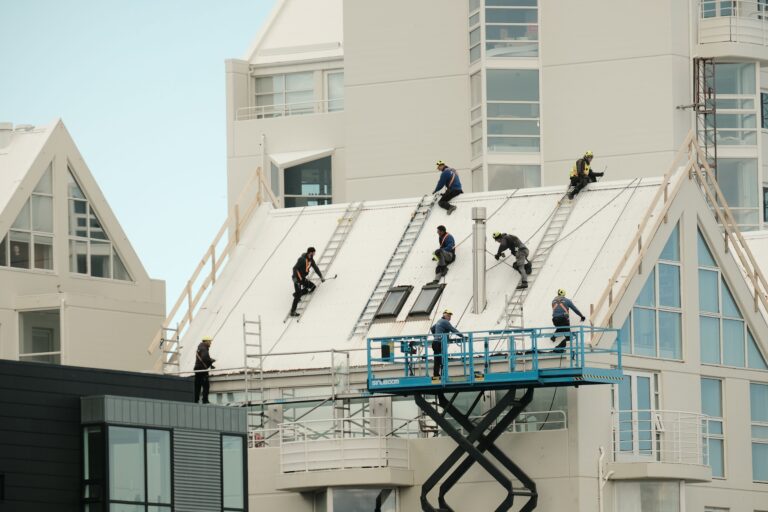
A roof is one of the most important parts of any building because it protects the interior structure, belongings, and occupants from external elements. It provides protection against rain, wind, heat, and changing weather conditions while also contributing to the overall appearance and value of a property. However, like every other part of a building, roofs experience wear and damage over time. Exposure to harsh weather, aging materials, poor installation, and lack of maintenance can lead to problems that require professional attention.
Ignoring roof problems can create serious consequences. A small leak may eventually cause water damage, mold growth, weakened structural components, and expensive repairs. Regular inspections and timely solutions help prevent minor issues from becoming major concerns. Understanding common roofing problems, repair methods, and maintenance practices allows property owners to make better decisions and protect their investment.
Professional roof repair plays an important role in restoring damaged areas and improving the durability of a roofing system. Skilled experts can identify hidden issues, recommend suitable solutions, and complete repairs using proper techniques. Whether the damage involves leaks, broken materials, damaged flashing, or general deterioration, addressing problems early helps maintain a safe and reliable roof.
Importance of Maintaining a Healthy Roof
A well-maintained roof provides long-term protection and improves the overall performance of a building. The roof acts as a barrier between the interior space and outdoor conditions, helping maintain comfort and preventing structural damage. When a roof is damaged, moisture and outside elements can enter the building, creating problems that extend beyond the roofing system itself.
Regular maintenance helps identify early warning signs before they develop into expensive repairs. Small cracks, loose materials, damaged seals, or minor leaks can often be corrected quickly when discovered at an early stage. Without proper attention, these issues may spread and require more extensive restoration.
A properly maintained roof also contributes to energy efficiency. Damaged roofing materials or poor insulation can affect indoor temperatures and increase the workload of heating and cooling systems. Keeping the roof in good condition helps create a more comfortable environment while reducing unnecessary energy consumption.
The appearance of a property is also influenced by the condition of its roof. A damaged or neglected roof can make an entire building look poorly maintained. Repairing and caring for the roof improves curb appeal and helps preserve property value.
Common Signs That Indicate Roof Damage
Many roofing problems become visible through specific warning signs. One of the most common indicators is water leakage. Stains on ceilings, damp walls, or visible water marks may suggest that the roof is allowing moisture to enter. Even a small leak should be addressed because water damage can spread quickly.
Missing or damaged roofing materials are another common issue. Strong winds, storms, and aging can loosen or remove shingles, tiles, or other protective layers. When these materials are damaged, the roof becomes more vulnerable to additional weather-related problems.
Sagging areas on a roof are a serious warning sign. A roof that appears uneven may indicate structural issues, water accumulation, or weakened support components. Such problems require professional inspection because they can affect the safety of the entire building.
Granules from roofing materials collected in gutters can also indicate deterioration. These small particles help protect roofing surfaces, and excessive loss may mean that materials are wearing out. Regular inspections can help determine whether repairs or replacement are necessary.
Higher energy costs may also be connected to roofing problems. Poor insulation, damaged materials, or air leaks can reduce efficiency and make indoor temperature control more difficult.
Causes of Roof Damage
Understanding the causes of roof damage helps prevent future problems. Weather exposure is one of the biggest factors affecting roof condition. Rain, strong winds, intense sunlight, and temperature changes gradually weaken roofing materials over time.
Water is especially harmful when it enters areas where it should not. Continuous moisture exposure can damage insulation, wooden structures, and interior surfaces. Proper drainage systems and timely repairs help prevent water-related problems.
Poor installation can also lead to roofing issues. If materials are installed incorrectly or unsuitable products are used, the roof may fail sooner than expected. Professional installation and repairs ensure that roofing components work together properly.
Lack of maintenance is another common reason roofs deteriorate quickly. Without regular inspections and cleaning, small problems may remain unnoticed until significant damage occurs. Routine care helps identify issues early and extends the lifespan of roofing materials.
Physical damage from falling branches, debris, or nearby construction activity can also affect roof performance. Quick inspection after any major impact helps determine whether repairs are needed.
Different Types of Roof Problems and Repair Solutions
Roof leaks are among the most frequent repair issues. They may occur because of damaged materials, broken seals, clogged drainage systems, or deteriorated flashing. Finding the exact source of a leak is essential because water often travels from one area before appearing inside the building.
Damaged shingles or tiles can reduce the protective ability of a roof. Replacing broken sections restores the roof surface and prevents moisture from entering vulnerable areas. Professional repair ensures that replacement materials are properly fitted and secured.
Flashing problems are another common concern. Flashing protects areas where the roof connects with walls, chimneys, vents, or other structures. When flashing becomes loose or damaged, water can enter these connection points. Repairing or replacing flashing helps restore waterproof protection.
Gutter-related issues can also affect roof performance. Blocked or damaged gutters prevent proper water drainage, causing water to collect on or around the roof. Cleaning and repairing drainage systems support better water management and reduce damage risks.
In some cases, roof damage may involve structural problems. Weak supports, sagging sections, or extensive deterioration require careful assessment. Professional evaluation helps determine whether repairs are sufficient or whether larger improvements are necessary.
Benefits of Professional Roof Repair
Although some minor maintenance tasks can be handled by property owners, professional repair provides important advantages. Roofing work requires knowledge, experience, and proper safety practices. Professionals understand different roofing materials and know how to apply suitable repair methods.
Accurate problem identification is one of the biggest benefits of professional service. A visible leak or damaged area may not reveal the complete issue. Experienced professionals inspect surrounding areas to locate the actual cause and prevent recurring problems.
Professional repairs also provide better durability. Using quality materials and correct installation techniques ensures that repaired sections remain strong and effective. Temporary fixes may provide short-term relief but often fail to address underlying problems.
Safety is another important reason to hire trained professionals. Roofing work involves heights, specialized tools, and potentially dangerous conditions. Experienced workers follow proper safety procedures to complete repairs effectively.
Preventive Maintenance Practices for Longer Roof Life
Regular maintenance is one of the best ways to protect a roof. Scheduling inspections allows potential problems to be discovered before they become serious. Professional evaluations can identify damaged areas, worn materials, and conditions that may require attention.
Keeping gutters clean is a simple but effective maintenance step. Proper drainage prevents water from collecting on the roof and reduces the risk of moisture damage. Regular gutter checks are especially important after storms or heavy rainfall.
Removing debris from the roof surface also helps maintain its condition. Leaves, branches, and dirt can trap moisture and contribute to material deterioration. Keeping the roof clean supports better performance.
Checking roof seals and visible components regularly can also prevent problems. Damaged areas around vents, edges, and connections should be repaired quickly to maintain waterproof protection.Proper ventilation and insulation are additional factors that support roof health. Good airflow helps control moisture levels and temperature changes, reducing stress on roofing materials.
Choosing a Reliable Roofing Professional
Selecting the right repair provider is essential for achieving quality results. Experience, reputation, and technical ability should be considered when choosing a professional. A skilled roofing expert should understand different materials and provide solutions based on the specific condition of the roof.
Clear communication is also important. A reliable professional should explain the problem, discuss available repair options, and provide information about the required work. This helps property owners make confident decisions.
Quality materials and proper workmanship directly affect repair success. A well-executed repair can restore roof performance and prevent future issues. Poor-quality work may result in repeated damage and additional expenses.A dependable roofing professional focuses on safety, accuracy, and customer satisfaction. Proper planning and attention to detail ensure that repairs provide lasting benefits.
How Roof Repair Protects Property Value
A strong and well-maintained roof contributes significantly to property value. Potential buyers often consider roof condition when evaluating a building because roofing problems can involve major expenses. Maintaining the roof helps preserve the overall condition and appeal of the property.
Timely repairs also prevent damage to other parts of the building. Water leaks and structural problems can affect walls, ceilings, insulation, and electrical systems. Addressing roofing issues quickly reduces the risk of wider damage.A reliable roof repair provides confidence and comfort for occupants. Knowing that the building is protected from external elements creates a safer and more enjoyable living or working environment.
Final Thoughts on Maintaining a Reliable Roof
A roof is more than just a covering for a building; it is a protective system that plays a vital role in safety, comfort, and durability. Regular inspections, preventive maintenance, and timely solutions help ensure that roofing materials continue to perform effectively.
Ignoring small roofing problems can lead to significant damage and costly repairs. By paying attention to warning signs and investing in professional solutions when needed, property owners can protect their buildings and extend the lifespan of their roofs.
Professional roof repair provides an effective way to restore damaged areas, improve protection, and maintain long-term performance. With proper care and regular maintenance, a strong roof can continue protecting a property for many years while preserving its value and functionality.
