



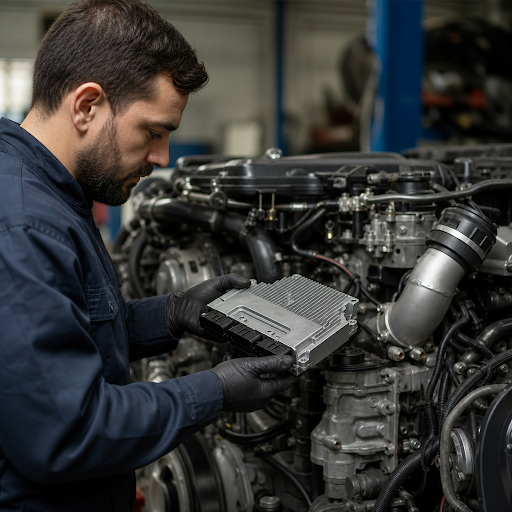
Modern diesel engines are engineering marvels, but their performance, efficiency, and reliability depend heavily on one critical component that often goes unnoticed until something goes wrong. The Engine Control Module — commonly known as the ECM — is the central nervous system of any diesel-powered vehicle or machine. Whether you operate a commercial truck, a heavy-duty pickup, or industrial equipment, understanding how the ECM functions and why its condition matters can save you significant time, money, and frustration on the road or worksite.
What Is an ECM and Why Does It Matter in Diesel Engines?
The Engine Control Module is an onboard computer that continuously monitors and manages the core functions of a diesel engine. It processes data from dozens of sensors positioned throughout the engine and drivetrain, then makes real-time adjustments to fuel injection timing, air-to-fuel ratios, turbocharger boost pressure, exhaust gas recirculation, and more. In essence, the ECM translates raw sensor data into precise mechanical actions that keep the engine running at peak efficiency under varying load and environmental conditions.
Unlike gasoline engines, diesel powerplants rely on compression ignition and operate under significantly higher pressures and temperatures. This makes the ECM’s role even more demanding. A diesel ECM must account for fuel viscosity changes, altitude variations, load fluctuations, and emission compliance requirements — all simultaneously and in milliseconds. When the ECM is functioning correctly, the engine runs smoothly, fuel economy is optimized, and emissions remain within legal limits. When it fails or degrades, the consequences can range from poor fuel economy and rough idling to complete engine shutdown.
Common Signs of ECM Failure in Diesel Vehicles
Recognizing ECM problems early can prevent costly repairs and unexpected downtime. Some of the most common warning signs include persistent check engine lights that don’t correspond to any obvious mechanical fault, erratic engine behavior such as sudden stalling or misfiring, difficulty starting the engine especially in cold conditions, and noticeable drops in fuel efficiency without any change in driving habits or load. In more severe cases, the engine may enter a “limp mode,” drastically reducing power output to protect itself from further damage.
Electrical issues are among the leading causes of ECM failure. Voltage spikes, corroded wiring harnesses, water intrusion, and even improper jump-starting procedures can damage the delicate circuitry inside the module. Vibration and heat cycling over years of operation also contribute to component fatigue. Because the ECM is so central to engine operation, a failing module can mimic symptoms of other mechanical problems, making accurate diagnosis essential before committing to expensive repairs.
Diagnosing ECM Issues: When to Call in a Professional
Proper ECM diagnosis requires specialized scan tools capable of reading manufacturer-specific fault codes, live data streams, and freeze-frame data. Generic OBD-II readers often fall short when dealing with heavy-duty diesel ECMs from brands like Cummins, Detroit Diesel, Caterpillar, or Duramax. A qualified diesel technician will use proprietary software to interrogate the module, compare sensor readings against expected values, and perform actuator tests to isolate whether the ECM itself is at fault or if a peripheral sensor or wiring issue is the true culprit.
New, Used, or Rebuilt: Choosing the Right ECM Replacement
When an ECM is confirmed faulty and replacement is necessary, diesel owners face an important decision: purchase a new unit, source a used one, or invest in a professionally rebuilt module. Each option carries its own trade-offs in terms of cost, availability, and reliability. New ECMs from original equipment manufacturers offer the highest assurance of quality but often come with steep price tags and long lead times, particularly for older or discontinued engine platforms. Used ECMs can be cost-effective but carry the risk of unknown service history and potential hidden faults. Rebuilt ECMs, when sourced from reputable suppliers, offer a compelling middle ground — factory-level performance at a fraction of the new unit cost.
For diesel operators seeking reliable replacement options, sourcing from a trusted supplier is paramount. When evaluating an ecm diesel engine replacement, it is essential to verify that the module is properly programmed for your specific engine family, vehicle configuration, and emissions calibration. An incorrectly programmed ECM can cause as many problems as the one it replaced, so working with knowledgeable suppliers who understand diesel engine platforms is non-negotiable.
Programming and Calibration: The Step Often Overlooked
One of the most critical — and frequently misunderstood — aspects of ECM replacement is programming. Simply installing a replacement module is rarely sufficient. The new ECM must be flashed or programmed with the correct software calibration for the specific engine serial number, vehicle identification number, and any applicable emissions updates. Some modules also require immobilizer synchronization or dealer-level initialization before the engine will start. Skipping this step or relying on generic programming can result in poor performance, fault codes, and even regulatory non-compliance.
ECM Performance and Emissions Compliance
The ECM plays a direct role in ensuring that diesel engines meet federal and state emissions standards. It manages exhaust aftertreatment systems including diesel particulate filters, selective catalytic reduction systems, and exhaust gas recirculation valves. Tampering with or replacing an ECM with an improperly calibrated unit can result in emissions violations that carry significant legal and financial penalties. For fleet operators and commercial carriers, maintaining ECM integrity is not just a performance issue — it is a compliance obligation. Regulatory bodies conduct rigorous oversight of diesel engine emissions, and understanding the standards your engine must meet is critical. You can review the official framework through the EPA’s engine certification and compliance testing guidelines, which outline the testing protocols that govern diesel engine certification across the United States.
Maintaining Your Diesel Engine for Long-Term ECM Health
Preventive maintenance extends well beyond oil changes and filter replacements. Protecting the ECM requires attention to the electrical system as a whole. Keeping battery terminals clean and corrosion-free, ensuring the charging system maintains stable voltage, and inspecting wiring harnesses for chafing or moisture intrusion are all practices that directly reduce ECM stress. Thermal management also matters — ensuring adequate airflow around the ECM mounting location and avoiding prolonged idling in extreme heat can extend module lifespan considerably.
Equally important is the quality of fluids running through your engine. Engine oil, for instance, does far more than lubricate moving parts. It plays a role in heat dissipation and sensor protection, and using the wrong viscosity or a degraded oil can indirectly affect the sensor data the ECM relies on to make accurate decisions. For operators who push their diesel engines in demanding environments, understanding why oil quality matters more in demanding conditions is a foundational part of keeping every engine system — including the ECM — operating reliably.
About Goldfarb Inc.: A Trusted Source for Diesel ECM Solutions
Goldfarb Inc. has established itself as a dependable resource for diesel engine operators and fleet managers seeking quality ECM replacements. With an inventory spanning new, used, and professionally rebuilt modules across a wide range of diesel engine platforms, the company provides options that balance cost-effectiveness with reliability. Their team brings deep familiarity with the specific programming and calibration requirements of major diesel engine families, helping customers avoid the pitfalls of mismatched or improperly configured modules. For operators who cannot afford extended downtime, having access to a supplier with both inventory depth and technical expertise makes a meaningful difference.
Conclusion: The ECM Is Not an Afterthought
The Engine Control Module is as vital to a diesel engine as the fuel injection system or the turbocharger. It governs performance, protects mechanical components, ensures emissions compliance, and ultimately determines how reliably your diesel engine serves you over its working life. Whether you are troubleshooting an existing issue, planning a proactive replacement, or simply looking to better understand your equipment, treating the ECM with the same seriousness as any other major engine component is the mark of an informed diesel operator. Invest in quality, prioritize proper programming, and partner with suppliers who understand the technology — your engine will reward you with years of dependable service.
