



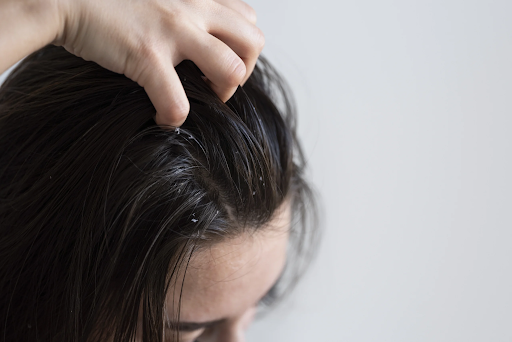
Many people experience sudden hair thinning and feel unsure where to turn for answers. If you are noticing thinning patches or a widening parting, you might be dealing with hormonal imbalance hair loss in Brighton. Hormones like cortisol, thyroid hormones, and oestrogen dictate the hair growth cycle. When these chemical messengers fall out of equilibrium, hair follicles often enter a premature resting phase, leading to excessive shedding. Fortunately, modern clinical advancements offer non-surgical ways to address this frustrating concern. One of the most promising options is PRP hair restoration, a therapy that uses your own blood platelets to stimulate dormant follicles and encourage healthy, sustainable regrowth.
Understanding the Link Between Hormones and Hair Health
To understand how to reverse thinning, you must first understand how hormones influence the scalp. Hair follicles are highly sensitive to biochemical changes in the body. For instance, an excess of dihydrotestosterone (DHT)—a byproduct of testosterone—binds to follicle receptors, causing them to shrink. This process, known as miniaturisation, shortens the growing phase of the hair and makes new strands thinner and more fragile.
Similarly, underactive or overactive thyroid glands disrupt the cellular metabolism required for hair production. Women experiencing postpartum recovery or menopause also face sharp drops in oestrogen, which normally protects and prolongs the hair growth cycle. When these protective hormones diminish, shedding accelerates rapidly. High levels of cortisol, the primary stress hormone, can also force hair follicles prematurely into the shedding phase.
Addressing the root internal cause through medical guidance is essential, but topical and regenerative therapies are equally vital to revive damaged follicles. Residents seeking solutions for hormonal imbalance hair loss in Brighton often combine systemic hormone management with local scalp treatments to achieve the best results. By tackling the issue from both the inside and the outside, you give your scalp the resources it needs to restart healthy growth cycles and prevent long-term follicular atrophy.
How PRP Therapy Revitalises Dormant Follicles
Platelet-Rich Plasma, commonly known as PRP hair restoration, is a natural therapeutic option that has gained significant traction in clinical trichology. The procedure begins with a simple blood draw, typically from the patient’s arm. This blood sample is then placed in a centrifuge, a specialised machine that spins at high speeds to separate the red blood cells from the plasma. This plasma becomes highly concentrated with platelets, which contain essential growth factors and bioactive proteins.
Once prepared, the practitioner injects this platelet-rich mixture directly into the targeted areas of the scalp. These concentrated growth factors work by increasing blood flow to the hair follicles, reducing localised inflammation, and stimulating cellular proliferation. For individuals recovering from hormonal fluctuations, this targeted boost is incredibly beneficial. The growth factors essentially wake up dormant follicles that have been forced into premature rest by hormonal shifts.
Because the treatment uses the patient’s own biological material, the risk of allergic reactions or adverse side effects is virtually non-existent. Over a series of sessions, patients typically notice a reduction in daily shedding, followed by an increase in hair density and thickness. This makes PRP hair restoration a highly reliable, drug-free companion treatment for anyone working to rebalance their systemic hormones.
Debunking Common Hair Growth Anomalies and Myths
When people start paying closer attention to their scalp and skin health, they often notice unusual hair patterns and begin asking questions about general follicular biology. For example, a common query presented to dermatologists is: why does hair grow out of moles? This phenomenon occurs because moles, or nevi, are clusters of pigment-producing cells called melanocytes. If a mole happens to form over a pre-existing hair follicle, the hair will grow right through it.
Interestingly, hairs growing out of moles are often darker, thicker, and coarser than the surrounding peach fuzz. This happens because the high concentration of melanocytes in the mole floods the growing hair shaft with pigment, while the rich local blood supply supporting the mole also feeds the follicle. While these hairs are completely harmless, they demonstrate how localised cellular environments directly influence hair characteristics.
Understanding these quirks of follicular biology helps demystify the hair growth cycle. Whether you are wondering why hair grows out of moles or trying to figure out why your hairline is receding, the underlying theme is always cellular health. Just as a mole provides a unique local environment that alters hair texture, hormonal shifts alter the scalp environment, requiring targeted interventions like platelet therapy to restore normal cell communication and nutrient delivery.
What to Expect During a Brighton PRP Consultation
If you decide to pursue clinical support, your journey begins with an in-depth consultation. Local clinics specialising in hormonal imbalance hair loss in Brighton will first assess your medical history, lifestyle factors, and the specific pattern of your thinning. Practitioners often work alongside endocrinologists or general practitioners to ensure that your systemic hormone levels are being managed alongside your topical scalp treatments.
During the assessment, the practitioner will examine your scalp using specialised magnifying tools to check follicle health. They will determine if your follicles are merely dormant or if permanent scarring has occurred, which helps manage expectations. A typical treatment plan consists of three to four initial sessions spaced approximately one month apart, followed by maintenance treatments every six to twelve months.
During these visits, clinicians can also answer any general dermatological questions you might have, ranging from serious concerns about scalp inflammation to lighter queries like why hair grows out of moles. This holistic approach ensures you receive comprehensive care. By choosing a local clinic, you gain access to ongoing monitoring, allowing the practitioner to adjust the injection depth or frequency based on how your scalp responds over time. This level of personalisation is key to achieving natural-looking, dense regrowth.
Conclusion
Dealing with hair thinning can feel overwhelming, but modern regenerative medicine offers clear pathways to recovery. Addressing the internal triggers of hormonal imbalance hair loss in Brighton is the first step, but revitalising the scalp locally is what truly accelerates visible progress. Through targeted treatments like PRP hair restoration, you can feed dormant follicles the precise growth factors they need to rebuild strength and density. By combining expert medical guidance with advanced clinical therapies, you can restore both your hair and your confidence. If you are ready to take control of your hair health, consult a qualified local practitioner to design a personalised treatment plan tailored to your body’s unique needs.
