



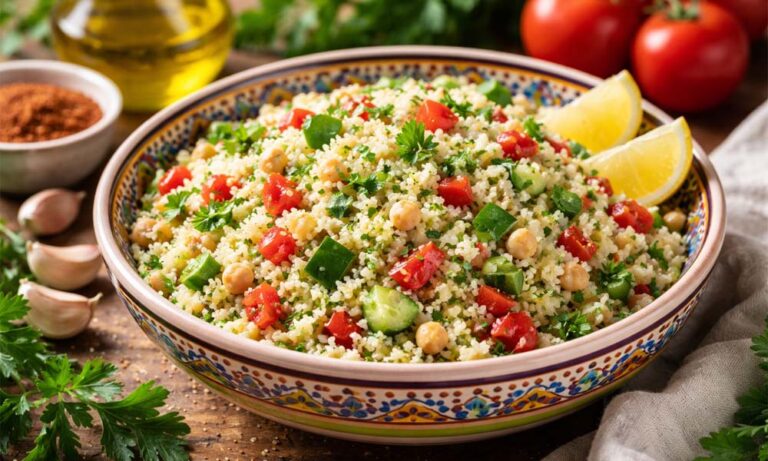
Have you ever seen tiny grains that look like rice but taste very different? That is where kouskousi comes in. It may look small and simple, but it has a long story and a big place in many kitchens around the world today.
Kouskousi is loved because it is easy to cook and very flexible. You can make it in just a few minutes, and it works with many foods. From simple home meals to special dishes, it fits almost every style of cooking.
In 2026, people want food that is quick, tasty, and not too heavy. Kouskousi is perfect for this. It is light, filling, and easy to mix with vegetables, meat, or even sweet ingredients. It saves time but still feels like a proper meal.
In this article, we will talk about everything you need to know about kouskousi. We will explain what it is, where it comes from, why people love it, and how you can use it in your daily life in a very easy way.
What Is Kouskousi? (Simple Explanation)
Kouskousi is a very small type of pasta made from semolina, which comes from wheat. Many people think it is a grain like rice, but it is actually pasta. It is rolled into tiny pieces and then cooked until soft and fluffy.
When you cook kouskousi, it becomes light and soft. It does not stick too much if you cook it the right way. Each small piece stays separate, which makes it feel nice and easy to eat.
One of the best things about kouskousi is its mild taste. It does not have a strong flavor on its own. Because of this, it easily takes the taste of whatever you cook with it, like spices, sauces, or vegetables.
You may also hear people call it “couscous.” That is the more common name in many places. But kouskousi and couscous are mostly the same thing, just with slightly different names or styles depending on the region.
Where Did Kouskousi Come From?
Kouskousi started a very long time ago in North Africa. It was first made by Berber people, who used simple ingredients like wheat and water to create small pasta grains by hand.
In those days, making kouskousi was not quick like today. People would sit together and roll the semolina into tiny balls. It took time and care, and it was often done as a group activity in families or villages.
As time passed, kouskousi spread to other places. Traders and travelers carried it across regions, and different cultures added their own styles, spices, and cooking ideas to it.
Today, kouskousi is known in many parts of the world. Even though it is now easy to buy in stores, its roots are still strong. Many families still follow old methods and keep the tradition alive.
Why Kouskousi Is More Than Just Food
Kouskousi is not only about eating. In many cultures, it is a way to bring people together. Families often share one big plate, sitting close and enjoying the meal at the same time.
This shared style of eating makes people feel connected. It is not just about the food, but about talking, laughing, and spending time together. It creates a warm and friendly feeling at the table.
In many places, kouskousi is served during special days. For example, in Morocco, families often eat it on Fridays. In other regions, it is made for celebrations, holidays, and big gatherings.
Preparing kouskousi can also be a shared task. People help each other roll, cook, and serve it. This makes it more meaningful, as the dish becomes part of family memories and traditions.
Different Types of Kouskousi You Should Know
Kouskousi comes in different types, and each one has its own use. The most common one is Moroccan kouskousi. It is very small and soft, and it cooks quickly. It is perfect for light meals and stews.
Another type is Israeli or pearl kouskousi. These grains are bigger and rounder. They have a slightly chewy feel, which makes them great for salads and modern recipes.
Lebanese kouskousi is larger and used in heavier dishes. It cooks slowly and absorbs rich flavors from soups and stews. This makes it a good choice for warm and filling meals.
There is also Greek-style kouskousi, which is often used in soups. It adds thickness and texture to the dish. Each type gives a different feel, so you can choose based on what you want to cook.
What Does Kouskousi Taste Like?
Kouskousi has a very simple and soft taste. On its own, it does not taste strong. This is actually a good thing because it lets you control the flavor of your meal.
When you mix it with spices, sauces, or broth, it quickly takes on those flavors. For example, if you cook it with a rich tomato sauce, it will taste full and deep. If you add lemon and herbs, it will taste fresh and light.
The texture is also very nice. It is soft and fluffy, but not too mushy. When cooked well, each grain stays separate and slightly firm, which makes it easy and pleasant to eat.
Because of this, kouskousi works in many dishes. It can be warm or cold, simple or rich. It can even be sweet if you add honey or dried fruits. It really depends on how you prepare it.
Is Kouskousi Healthy to Eat?
Kouskousi is a good source of energy because it is made from wheat. It has carbohydrates, which help your body stay active and strong during the day. This makes it a good choice for regular meals.
It also has some protein, which helps your body repair and grow. Whole wheat kouskousi has more fiber, which is good for digestion and helps keep your stomach feeling comfortable.
Kouskousi also contains small amounts of vitamins and minerals. These include B vitamins, iron, and magnesium. While it is not a superfood on its own, it becomes very healthy when combined with vegetables and protein.
However, it is important to know that kouskousi contains gluten. This means it is not suitable for people who cannot eat gluten. For others, it can be part of a balanced and healthy diet.
Easy Ways to Cook Kouskousi
Cooking kouskousi is very easy, and that is one reason people love it so much. There are two main ways to cook it: the traditional way and the quick modern way.
The traditional method takes more time. It involves steaming the kouskousi slowly, sometimes more than once. This gives it a very soft and fluffy texture, but it needs patience and practice.
The modern method is much faster. You simply add hot water or broth to the kouskousi, cover it, and wait a few minutes. This is perfect for busy days when you need a quick meal.
Many people today use the quick method for daily cooking. But for special meals, they may still use the traditional way. Both methods work well, depending on your time and needs.
Simple Step-by-Step Cooking Guide
Now let’s make kouskousi in the easiest way possible. First, take a bowl and add your kouskousi. Then boil some water or broth. Once it is hot, pour it over the kouskousi slowly so all grains are covered well.
Next, cover the bowl with a lid or plate. Let it sit for about five minutes. During this time, the kouskousi will absorb the liquid and become soft. You do not need to stir it yet. Just let it rest.
After a few minutes, take a fork and gently fluff the kouskousi. This step is very important. It helps separate the grains so they stay light and not sticky. Do not use a spoon, as it can press the grains together.
You can now add a little olive oil or butter for better taste. If you want more flavor, use broth instead of water. This simple method makes kouskousi ready in minutes, perfect for busy days in 2026.
Best Ways to Eat Kouskousi
Kouskousi can be enjoyed in many different ways. One popular way is to serve it with meat dishes like chicken or lamb. The soft grains soak up the sauce, making each bite full of flavor and very satisfying.
If you like lighter meals, you can mix kouskousi with vegetables. Add tomatoes, cucumbers, and herbs like parsley. A little lemon juice and olive oil can turn it into a fresh and tasty salad.
Kouskousi also works well as a side dish. You can serve it with grilled food or simple home meals. It fits easily with many cuisines, which makes it very useful in everyday cooking.
You can even make sweet kouskousi. Add honey, nuts, or dried fruits like raisins. It becomes a simple dessert or breakfast. This shows how flexible kouskousi really is.
Common Mistakes to Avoid
Many people make small mistakes when cooking kouskousi, and this can change the result. One common mistake is using too much water. This makes the kouskousi too soft and sticky instead of light and fluffy.
Another mistake is not fluffing the grains after cooking. If you skip this step, the grains may stick together and feel heavy. Using a fork helps keep the texture nice and airy.
Some people also overcook kouskousi. It does not need a long time to cook. Just a few minutes is enough. Cooking it too long can ruin its soft and fluffy texture.
Also, do not forget to let it rest after adding hot water. This step helps it cook properly. Skipping it can leave some parts dry and others too wet.
Simple Tips to Make Kouskousi Taste Better
If you want your kouskousi to taste even better, there are some easy tips you can follow. First, use broth instead of water. This adds more flavor right from the start and makes the dish richer.
Adding a little olive oil or butter can also improve the taste and texture. It makes the grains smooth and gives a soft, nice feel when you eat it. This small step makes a big difference.
Fresh herbs like parsley or mint can make your dish feel fresh and bright. You can also add spices like cumin or cinnamon for a deeper taste. These simple additions bring more life to the dish.
You can also mix in roasted vegetables like carrots or peppers. They add color, texture, and flavor. With just a few small changes, your kouskousi can feel like a special meal.
Why Kouskousi Is Popular Today
Kouskousi is very popular today because it fits modern life so well. In 2026, people want food that is quick, easy, and still healthy. Kouskousi checks all these boxes.
It cooks very fast, which saves time. You do not need many tools or skills to prepare it. This makes it perfect for students, workers, and families who are always busy.
It is also affordable and easy to find in stores. You can keep it in your kitchen and use it anytime. It works with many ingredients, so you can create different meals without much effort.
Another reason people love kouskousi is its flexibility. It can be simple or fancy, light or filling. This makes it a smart choice for both quick meals and special occasions.
Conclusion
Kouskousi may look small, but it brings a lot to the table. It is easy to cook, simple to understand, and full of possibilities. It fits both traditional meals and modern lifestyles very well.
It also carries a deep story from the past. From North African kitchens to homes around the world, it has stayed important for many generations. It connects people through food and shared moments.
The best part is how flexible it is. You can make it with meat, vegetables, or even sweet ingredients. It can be a quick lunch or a special dinner. It adapts to your needs very easily.
If you have not tried kouskousi yet, now is a great time. It is simple, tasty, and useful in many ways. Once you try it, you may want to keep it as a regular part of your meals.
(FAQs)
What is kouskousi made from?
Kouskousi is made from semolina, which comes from durum wheat. The semolina is mixed with water and rolled into very small grains. These grains are then dried or steamed. That is why kouskousi is actually a type of pasta, not a grain like rice.
Is kouskousi the same as couscous?
Yes, kouskousi and couscous are mostly the same food. The main difference is the name, which changes based on region or language. Some places may have slight differences in size or cooking style, but the base ingredient and idea remain the same.
How long does kouskousi take to cook?
Kouskousi is very quick to cook, especially the modern version. It usually takes about 5 minutes. You just add hot water or broth, cover it, and let it sit. Traditional methods take longer because they use steaming.
Is kouskousi healthy to eat?
Yes, kouskousi can be a healthy part of your diet. It gives you energy from carbohydrates and also provides some protein, vitamins, and minerals. It becomes even healthier when you eat it with vegetables, beans, or lean meat.
Does kouskousi contain gluten?
Yes, kouskousi contains gluten because it is made from wheat. This means it is not suitable for people who have gluten allergies or sensitivity. In that case, they should look for gluten-free options like quinoa or rice.
What does kouskousi taste like?
Kouskousi has a very mild and simple taste. On its own, it does not have a strong flavor. This is why it easily absorbs the taste of sauces, spices, and other ingredients, making it very flexible in cooking.
What are the different types of kouskousi?
There are a few main types of kouskousi. Moroccan kouskousi is small and soft. Israeli or pearl kouskousi is bigger and chewy. Lebanese kouskousi is larger and used in heavy meals. Greek-style is often used in soups.
Can kouskousi be used in sweet dishes?
Yes, kouskousi can be used in sweet recipes. You can mix it with honey, milk, nuts, or dried fruits like raisins. It can be eaten as a dessert or even as a simple breakfast option.
How do you make kouskousi fluffy and not sticky?
To keep kouskousi fluffy, use the right amount of water and do not overcook it. After it absorbs the liquid, use a fork to gently fluff the grains. This helps separate them and keeps the texture light.
Why is kouskousi so popular today?
Kouskousi is popular because it is quick, easy, and flexible. It fits modern life where people want fast meals without losing taste. It is also affordable and can be used in many dishes, from simple to special meals.
You may also read: Pabington: The Hidden Meaning Behind This Trending Name
