



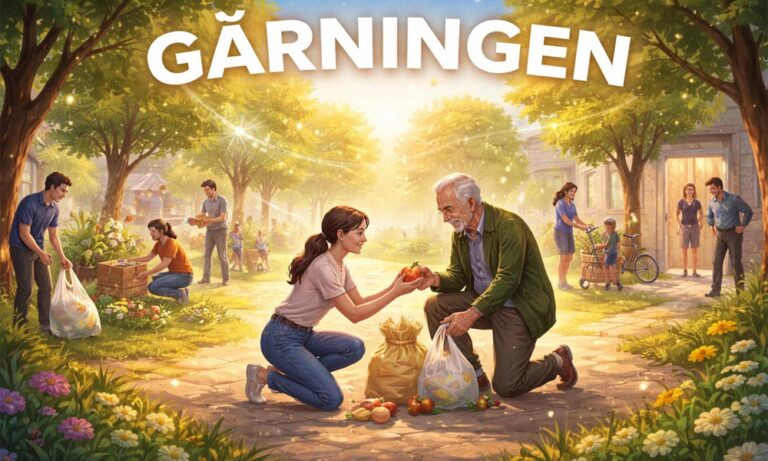
Have you ever heard a word that feels simple at first, but becomes deeper the more you think about it? That is exactly what happens with the word gärningen. At first, it may sound like just another foreign word. But once you understand it, you realize it carries a strong and powerful meaning.
In simple words, gärningen means “the deed” or “the act.” But it is not about just any action. It is about an action that matters. Something that changes a situation, affects people, or creates a result that cannot be ignored. It can be something good, like helping someone. Or something serious, like a crime.
In this article, we will explore the real meaning of gärningen in a very easy way. We will look at how it is used in daily life, in law, and in Swedish culture. By the end, you will clearly understand why this small word has such a big impact.
What Does Gärningen Mean? (Simple Explanation)
Let’s start with the basics.
The word gärningen means “the deed” or “the act.” But here is the important part. It does not mean just any action like walking, eating, or talking. It is used when the action is important or meaningful.
For example, imagine someone helps an old person cross the street. That is not just a normal action. It is a kind act. In Swedish, people may call it a god gärning, which means a good deed. On the other hand, if someone breaks the law, that action is also called gärningen, because it has a serious impact.
So, gärningen is about actions that matter. Actions that people notice. Actions that can change something. That is what makes this word special.
Gärningen vs Gärning: What Is the Difference?
Now let’s make something very clear, because many people get confused here.
The word gärning means “a deed” in general. It is not specific. It can be any action. For example, you can say, “That was a good deed,” and use gärning.
But gärningen means “the deed.” This is different. It points to one specific action. Something that is already known or being discussed. It is not general anymore. It is clear and focused.
Think of it like this:
-
Gärning = a deed (any deed)
-
Gärningen = the deed (a specific one)
For example, in news, people may talk about gärningen when discussing a crime. They are not talking about any action. They are talking about that one exact act that happened.
This small grammar change makes a big difference. It turns a simple idea into something real and important.
Why Gärningen Is Not Just Any Action
We all do many things every day. We eat, talk, walk, and work. But these actions are not called gärningen. Why? Because they do not have a strong impact.
Gärningen is used only when the action matters.
For example, helping someone in need is a small act, but it can change someone’s day. That can be called gärningen. In the same way, making a bad choice that hurts someone is also gärningen, because it has a clear effect.
So the key idea is simple. 👉 If the action creates a result that people care about, it becomes gärningen.
This is also why people say, “Actions speak louder than words.” In Swedish thinking, what you do is more important than what you say. Your gärningen shows who you really are.
The Origin of Gärningen (Where the Word Comes From)
Let’s take a quick look at where this word comes from.
The word gärningen comes from the Swedish verb “göra,” which means “to do” or “to make.” Over time, this turned into gärning, which means a deed or action. Then, with grammar rules, it became gärningen, meaning “the deed.”
This word also has roots in an older language called Old Norse. Long ago, people in Nordic countries used similar words to talk about actions and behavior. In those times, actions were very important. A person’s honor and respect depended on what they did.
That idea still lives today. Even now, gärningen carries the same feeling. It reminds us that what we do matters. Not just what we think or say.
Gärningen in Swedish Law (Very Important Use)
One of the most serious uses of gärningen is in law.
In Swedish law, gärningen means the exact act that is being judged. When a crime happens, the police and the court do not just look at the person. They focus on what was done.
For example, they ask simple but important questions:
-
What happened?
-
Who did it?
-
Was it done on purpose?
-
What was the result?
All of this is connected to gärningen.
There are also some related words:
-
Gärningsman = the person who did the act
-
Gärningsplats = the place where it happened
-
Brott = the crime
This shows how important the act is. Without the act, there is no case. The law is not based on guesses. It is based on real actions.
How Police Study Gärningen
When something serious happens, the police try to understand the full story. And the center of that story is always gärningen.
They collect evidence. They talk to witnesses. They look at the place where it happened. Step by step, they rebuild the event. This helps them understand what really took place.
They also study the timeline. What happened first? What happened next? This is called the sequence of events. In simple words, they are trying to see the full picture of gärningen.
This process is very important. It helps the court decide the truth. It also makes sure that justice is fair. Again, everything comes back to the same thing — the act itself.
Gärningen in Daily Life (Simple Examples)
Now let’s bring this idea into normal life.
You do not need to be in court or read news to hear the word gärningen. People use it in daily life too. It may not always be in a serious way, but the meaning stays strong.
For example, imagine a child helps a friend at school. A teacher might say, “That was a kind gärning.” This means the action was good and meaningful.
Or think about a moment when someone made a mistake that hurt others. People may talk about that action and remember it as gärningen. Not because it was big, but because it had an effect.
This shows something very simple but powerful: 👉 People remember what you do, not just what you say.
And that is exactly what gärningen is all about.
Good and Bad Gärningen (Moral Meaning)
Now let’s talk about something very important. Not every gärningen is the same. Some are good. Some are bad. And this is where the moral meaning comes in.
In Swedish, a good deed is called “god gärning.” This means doing something kind, helpful, or caring. It can be something small, like helping a stranger, or something big, like saving someone’s life. What matters is the intention and the result.
On the other side, there is a bad act. This can be called a bad gärning. These are actions that hurt others or cause problems. For example, lying, cheating, or harming someone. These actions are also remembered, just like good ones.
So, every gärningen carries a moral value. It shows whether an action is right or wrong. And over time, these actions shape how people see you.
Gärningen in Swedish Culture and Thinking
In Swedish culture, actions are very important. People do not just listen to what you say. They look at what you actually do. That is where gärningen becomes powerful.
There is a simple idea that many people follow: “The deed speaks for itself.” In Swedish, people say something similar — gärningen talar för sig själv.
This means your actions tell the truth about you. You do not need to explain too much. If you do something kind, people will see it. If you do something wrong, people will also notice it.
This way of thinking builds trust. When people see good gärningen, they feel safe and respected. That is why this word is deeply connected to everyday life and values.
Gärningen in News and Media
You will often see the word gärningen in news reports, especially in Sweden. Journalists use it when they talk about events, especially serious ones.
Instead of blaming a person too quickly, they focus on the action. For example, they may say, “The police are investigating gärningen.” This keeps the focus on what happened, not on guessing who is guilty.
This way of reporting is fair and balanced. It helps people understand the facts first. It also avoids spreading wrong information.
So again, the focus is clear. The story is about the act, not just the person. That is why gärningen is used so often in media.
Gärningen in Books, Movies, and Stories
Stories become interesting because of actions. And in many Swedish books and movies, one big gärningen is what changes everything.
Think about a crime story. There is usually one important act, like a crime or a mistake. That single gärningen starts the whole story. Then the story follows what happened next and why it happened.
Writers use this idea to show human behavior. A person’s action can show if they are kind, brave, selfish, or careless. So, gärningen becomes the turning point.
Even in simple stories, one action can change everything. That is why this word is so useful in storytelling.
Common Swedish Phrase: “På Bar Gärning”
There is a very popular Swedish phrase that uses this word.
“På bar gärning” means “caught in the act.”
This is used when someone is seen doing something right at that moment. For example, if someone is stealing and gets caught immediately, people say they were caught på bar gärning.
This phrase is strong because it shows clear proof. There is no confusion. The action is seen directly.
It also connects to responsibility. When someone is caught in the act, they cannot deny what they did. This again shows how important gärningen is.
Why Gärningen Still Matters Today
Even in 2026, the idea of gärningen is still very important. Our world is fast. People talk a lot online. But actions still matter the most.
On social media, people may say many things. But what they actually do still defines them. For example, helping others, supporting causes, or even spreading negativity — all of these are forms of gärningen.
The word is also used in modern conversations, memes, and jokes. But even in fun situations, the meaning stays the same. It always points to something that really happened.
So no matter how much the world changes, one thing stays true: 👉 Actions will always matter.
What We Can Learn from Gärningen
So, what can we learn from this word?
First, we learn that every action counts. Even small actions can make a big difference. A kind word, a helping hand, or a simple choice can change someone’s day.
Second, we learn about responsibility. Before doing something, it is good to think: “What will this action lead to?” Because once the gärningen is done, it cannot be taken back.
And finally, we learn that actions build our identity. People may forget what you said. But they will remember what you did.
Conclusion
Now you can clearly see that gärningen is not just a simple word. It is a powerful idea.
It means “the act” or “the deed,” but it also carries deeper meaning. It shows responsibility. It shows impact. It shows truth.
From law to daily life, from stories to real situations, gärningen reminds us of one simple thing: 👉 What you do matters more than what you say.
So next time you make a choice, think about it. Your small action could become an important gärningen. And it might shape not only your life, but also the lives of others.
Because in the end, actions always speak louder.
(FAQs)
What does gärningen mean in simple words?
Gärningen means “the deed” or “the act.” It refers to a specific action that has importance. It is not used for normal daily activities. It is used when an action has a clear result or impact.
What is the difference between gärning and gärningen?
Gärning means “a deed” in a general way. It can be any action. Gärningen means “the deed,” which points to one specific action that people are talking about. This small change makes the meaning more clear and focused.
Is gärningen always related to crime?
No, not at all. Gärningen can describe both good and bad actions. It can be used for a kind act, like helping someone, or for a crime. It depends on the situation.
What does “god gärning” mean?
“God gärning” means a good deed. It refers to a kind or helpful action. For example, helping a stranger, donating food, or supporting someone in need can all be called a god gärning.
What does “på bar gärning” mean?
“På bar gärning” means “caught in the act.” It is used when someone is seen doing something at the exact moment it happens. It is often used in serious situations, like catching someone breaking the law.
How is gärningen used in Swedish law?
In law, gärningen refers to the exact act being judged. Police and courts focus on what happened, how it happened, and who did it. The whole case is built around understanding the gärningen.
Why is gärningen important in Swedish culture?
In Swedish culture, people believe actions matter more than words. Gärningen shows what a person really does. It helps build trust and shows responsibility. That is why it is very important in daily life.
Can small actions be called gärningen?
Yes, if the action has meaning or impact. Even a small act, like helping someone or making a kind choice, can be called gärningen if it affects others in a positive or negative way.
How is gärningen used in daily life?
People use gärningen when talking about actions that stand out. For example, a teacher may praise a student’s good action, or someone may talk about a mistake that caused a problem. It is used when the action matters.
Why does gärningen matter in today’s world (2026)?
Even in 2026, actions still define people. In a world full of words and online posts, what you actually do is what people remember. Gärningen reminds us that real actions create real impact.
You may also read: Utmat: Meaning, Uses, and Why People Search for It
