



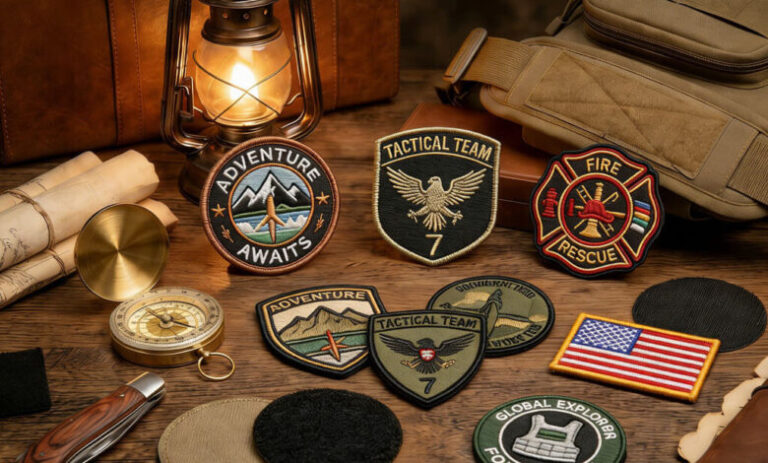
Custom badges and Velcro patches have exploded in popularity across the UK over the last few years. What was once limited to military uniforms and scout clubs has now become a huge part of fashion, branding, marketing, and even personal identity. Walk through any major city in the UK and you will spot embroidered patches on jackets, backpacks, caps, work uniforms, and tactical gear. These small fabric accessories may seem simple at first glance, but they carry a powerful message. They communicate personality, loyalty, creativity, and professionalism all at once.
Recent industry reports show that the global embroidered patches market is experiencing steady growth due to rising demand in fashion and corporate branding. One market analysis estimated the sector to be worth around $2.4 billion globally, with consistent annual growth driven by customization trends. The UK market is especially active because British consumers have always appreciated individuality in fashion and accessories. From punk rock culture to modern streetwear brands, patches have remained deeply connected to self-expression.
The rise of social media has also played a huge role. Platforms like Instagram and TikTok have turned custom apparel into a lifestyle movement. People want products that look unique and tell a story. Velcro patches fit perfectly into this trend because they are removable, interchangeable, and easy to personalize. You can swap designs depending on your mood, event, or outfit, almost like changing your phone wallpaper. That flexibility gives patches a modern edge over permanent embroidery.
Businesses are also embracing this movement. Companies use custom badges to build stronger brand recognition, improve staff uniforms, and create merchandise that customers actually want to wear. In many ways, patches have become tiny walking billboards that people proudly display instead of hide. That is marketing gold in today’s competitive environment.
Why Custom Patches Are Trending in the UK
The UK has always had a strong culture of collectibles, fashion accessories, and identity-based styling. Recent reports show a major rise in interest surrounding collectible badges and custom patches among younger generations. Unlike older trends that disappear quickly, patches continue evolving with new materials, colors, and technologies.
One major reason behind the trend is nostalgia. Vintage fashion has made a huge comeback, and patches are deeply connected to retro denim jackets, varsity styles, and old-school military fashion. Many fashion brands now intentionally use embroidered patches to create a “heritage” look that feels authentic and timeless. At the same time, newer patch technologies like PVC and Velcro backings have modernized the industry for tactical users and outdoor enthusiasts.
Another reason is practicality. Velcro patches are easy to attach and remove without damaging clothing. This makes them perfect for uniforms, airsoft gear, sports teams, event branding, and promotional products. Unlike sewn-on patches that stay fixed forever, Velcro designs offer flexibility. One jacket can support multiple identities depending on the occasion.
Community culture has also accelerated patch demand. Reddit discussions and online forums show growing enthusiasm among collectors, military hobbyists, and streetwear fans. People trade patches, create limited editions, and even build entire fashion aesthetics around them. Patches are no longer just accessories; they are conversation starters.
The customisation economy has changed customer expectations too. Consumers now expect products to feel personal. Generic mass-produced items no longer create emotional attachment. A custom patch with a logo, slogan, or artwork feels special because it reflects identity. That emotional connection is exactly why patches continue thriving in both personal and business markets.
What Are Velcro Patches?
Velcro patches are custom badges designed with a hook-and-loop fastening system that allows quick attachment and removal. Instead of sewing directly onto fabric, these patches stick to compatible Velcro surfaces. This makes them incredibly convenient for tactical clothing, uniforms, backpacks, hats, and sports apparel.
The technology itself is surprisingly simple. One side contains tiny hooks while the other side contains soft loops. When pressed together, they create a secure bond strong enough for everyday use yet easy enough to separate manually. This combination offers speed, flexibility, and durability all at once. It is like having interchangeable artwork for your clothing.
Military and law enforcement groups were among the earliest adopters of Velcro patches because they needed flexible identification systems. Soldiers could quickly switch name tags, ranks, or morale patches depending on assignments. Today, the same convenience appeals to fashion enthusiasts and businesses alike. Streetwear brands use Velcro patches to let customers customize outfits instantly, while event organizers use them for reusable branding solutions.
Velcro patches also reduce wear and tear on garments. Traditional sewing can weaken fabrics over time, especially when removing old patches. Velcro avoids this issue entirely. You simply peel off one design and replace it with another. This is especially useful for businesses that frequently update uniforms or promotional branding.
Modern Velcro patches now come in various styles including embroidered, woven, PVC rubber, leather, and printed finishes. Some even include QR codes or NFC technology for interactive branding experiences. That innovation shows how patches are evolving beyond decoration into functional marketing tools.
Types of Badges Available in the UK
The UK patch market offers a wide range of styles, each suited for different purposes and aesthetics. Choosing the right type depends on factors like durability, detail level, budget, and intended use. Understanding the differences can save both money and disappointment.
Embroidered Badges
Embroidered patches remain the most popular option because of their classic textured appearance. These patches use thick stitching to create raised designs that feel premium and durable. They work exceptionally well for logos, symbols, and bold artwork. Embroidered Badges UK are widely used in uniforms, clubs, schools, and corporate branding because they look professional and withstand regular wear.
One of the biggest advantages is their timeless visual appeal. The textured stitching catches light beautifully and creates a handcrafted look that printed designs often lack. Recent trend reports also highlight growing demand for 3D embroidery and puff stitching techniques. These effects add depth and make patches visually striking from a distance.
Woven Patches
Woven patches use thinner threads, allowing finer detail and sharper text. If your design contains small lettering or intricate artwork, woven patches are usually the better choice. They have a smoother surface compared to embroidered badges but can reproduce complex graphics more accurately.
Many fashion brands prefer woven patches for minimalist aesthetics. Online communities also frequently recommend woven patches for detailed logos and album artwork. They may lack the thick texture of embroidery, but they compensate with precision and clean visuals.
PVC and Rubber Patches
PVC patches are modern, waterproof, and highly durable. They are ideal for outdoor environments, military gear, airsoft teams, and tactical applications. Unlike fabric patches, PVC does not absorb moisture, making it resistant to mud, rain, and rough conditions.
These patches have become increasingly popular in 2026 because of their sleek appearance and flexibility. Many tactical brands choose PVC because it maintains vibrant colors even after heavy use. Think of them as the “all-weather tires” of the patch world.
Printed and Sublimated Patches
Printed patches are ideal for photographic images and highly detailed graphics. Sublimation printing allows unlimited color blending, which embroidery cannot easily achieve. These patches are usually more affordable for complex artwork but may fade faster over time.
Community discussions often debate printed versus embroidered quality, with many users preferring embroidery for durability. Still, printed patches remain valuable for promotional campaigns and artistic designs requiring vibrant detail.
| Patch Type | Best For | Durability | Detail Level |
| Embroidered | Logos & uniforms | High | Medium |
| Woven | Detailed artwork | High | Very High |
| PVC/Rubber | Tactical & outdoor use | Very High | Medium |
| Printed/Sublimated | Complex images | Medium | Excellent |
Industries That Use Velcro Patches
Velcro patches are used across a surprisingly wide range of industries in the UK. Their versatility allows them to function as branding tools, identification systems, promotional merchandise, and fashion statements simultaneously.
Military and tactical sectors remain major users. Soldiers, police officers, and security personnel rely on Velcro patches for name tags, rank insignia, and morale patches. These patches can be swapped quickly depending on missions or uniforms. Their durability makes them ideal for rugged environments where sewn patches would be less practical.
Fashion brands have embraced patches in entirely different ways. Streetwear labels now use removable Velcro designs to encourage customization and collectibility. Consumers enjoy changing patches like accessories, giving outfits a constantly refreshed appearance. This taps into the growing personalization trend dominating modern fashion markets.
Corporate branding is another huge market. Companies increasingly use custom patches on uniforms, hats, jackets, and workwear to strengthen professional identity. A well-designed badge instantly communicates trust and credibility. Restaurants, delivery services, construction firms, gyms, and retail stores all benefit from cohesive branded apparel.
Sports teams and hobby groups also rely heavily on patches. Airsoft communities, motorcycle clubs, scouts, gaming groups, and esports organizations frequently create custom Velcro patches to build unity and identity. Reddit communities reveal strong demand for team-based patch collections and limited-edition designs.
The beauty of patches lies in their adaptability. One small embroidered design can function as fashion, marketing, identity, and storytelling all at once. Few promotional products offer that level of versatility.
How to Choose the Right Patch Material
Choosing the correct patch material is one of the most important decisions in the entire process. The wrong choice can lead to fading, discomfort, or poor visual results. The right material, however, transforms a simple design into something memorable and long-lasting.
Start by considering where the patch will be used. Outdoor applications demand durability and weather resistance. PVC patches excel in these conditions because they resist water, dirt, and UV exposure. Fabric patches may struggle under heavy environmental stress, especially if exposed to rain regularly.
For fashion applications, appearance often matters more than rugged durability. Embroidered patches provide texture and craftsmanship that complement denim, hoodies, and jackets beautifully. Woven patches suit minimalist designs or intricate artwork requiring sharp details.
You should also think about flexibility and comfort. Thick PVC patches can feel heavier on lightweight fabrics, while embroidered patches usually blend naturally with clothing. If patches will be attached to hats or flexible garments, softer materials often perform better.
Another growing consideration is sustainability. Eco-conscious consumers increasingly prefer recycled fabrics, water-based dyes, and environmentally friendly manufacturing methods. Several recent reports highlight eco-friendly patch production as one of the strongest trends in 2026. Businesses that prioritize sustainable materials can strengthen brand reputation while appealing to younger audiences.
Budget matters too. Intricate embroidery with high stitch counts costs more than simpler printed designs. Custom shapes, metallic threads, and specialty finishes also increase production costs. Understanding these variables helps businesses avoid unpleasant surprises when requesting quotes.
Custom Patch Design Trends in 2026
Patch design trends in 2026 are becoming more creative, experimental, and technology-driven than ever before. Designers are pushing beyond traditional shapes and textures to create patches that feel more like wearable art than simple accessories.
One of the biggest trends is 3D embroidery. Raised stitching techniques create dramatic depth and texture that instantly catches attention. Puff embroidery, layered borders, and sculpted thread work are especially popular in streetwear and sports branding. These styles transform flat designs into tactile visual experiences.
Bold color combinations are also dominating the market. Neon accents, metallic threads, retro palettes, and earthy tones are all trending simultaneously. Designers are mixing nostalgic aesthetics with futuristic visuals, creating patches that feel both vintage and modern at the same time.
Another major trend is custom-cut shapes. Brands are moving away from generic circles and rectangles in favor of asymmetrical outlines and die-cut silhouettes. These unique shapes improve brand recognition because they feel more exclusive and memorable.
Technology integration is beginning to reshape the industry too. Some patches now include QR codes or NFC chips linking users to websites, social media pages, or event information. Imagine scanning a patch on someone’s jacket and instantly accessing a music playlist, gaming profile, or product launch page. That level of interactivity turns patches into digital gateways.
Eco-conscious design remains another defining movement. Recycled materials, biodegradable packaging, and sustainable thread production are increasingly important for both consumers and brands. Companies ignoring environmental expectations risk appearing outdated in a market driven heavily by younger buyers.
Cost Factors for Badges and Velcro Patches
The price of custom patches can vary dramatically depending on several important factors. Understanding these variables helps buyers budget effectively and avoid overpaying for unnecessary features.
Patch size is one of the biggest cost drivers. Larger patches require more material, more stitching, and longer production times. A small logo patch costs significantly less than a large back patch for a jacket. Stitch count also matters because detailed embroidery requires more thread and machine time.
Quantity affects pricing heavily too. Bulk orders usually reduce the cost per unit because manufacturers spread setup costs across larger production runs. Small custom orders often appear expensive because setup fees remain relatively fixed regardless of quantity.
Backing types also influence pricing. Velcro backings typically cost more than iron-on or sew-on options because they involve additional materials and assembly work. Specialty finishes like glow-in-the-dark threads, metallic embroidery, or 3D puff effects increase prices further.
Recent industry discussions show that pricing frustration is common among first-time buyers. Customers are often surprised by how customisation details affect final costs. The good news is that modern manufacturing has become more accessible, making smaller batch orders easier than ever before.
| Cost Factor | Impact on Price |
| Patch Size | High |
| Stitch Count | High |
| Velcro Backing | Medium |
| Custom Shape | Medium |
| Bulk Quantity | Reduces Cost |
| Metallic Threads | Medium |
| Rush Delivery | High |
Best Uses for Velcro Patches
Velcro patches are incredibly versatile because they combine style with functionality. Their removable nature allows users to update looks, branding, or identification instantly without damaging garments.
One of the best uses is tactical gear. Military personnel, police officers, and airsoft enthusiasts rely heavily on Velcro patches for quick identification systems. Morale patches have also become popular for humor, team spirit, and personalization within tactical communities.
Fashion applications continue expanding rapidly. Denim jackets, hoodies, backpacks, and caps now feature interchangeable Velcro patch panels. This allows wearers to refresh outfits effortlessly, almost like swapping accessories. It adds a playful, customizable element to everyday fashion.
Businesses benefit enormously from Velcro branding too. Restaurants, delivery companies, gyms, and event teams can update uniforms quickly without replacing entire garments. Seasonal branding, promotions, or employee role changes become much easier when badges are removable.
Collectors also love Velcro systems because they can display and rotate patch collections conveniently. Patch walls, tactical boards, and collector albums have become increasingly popular online, especially among younger audiences interested in streetwear and gaming culture.
The flexibility of Velcro patches mirrors modern consumer behavior perfectly. People want products that adapt to different situations rather than remaining fixed permanently. Velcro patches satisfy that desire beautifully.
How UK Businesses Benefit from Custom Badges
Businesses across the UK increasingly recognize the branding power of custom badges and Velcro patches. These small accessories offer a surprisingly high return on investment because they combine professionalism, marketing, and team identity simultaneously.
Uniform branding is one of the most obvious advantages. Employees wearing embroidered logos appear more trustworthy and organized. Customers instinctively associate branded uniforms with reliability and professionalism. That perception matters enormously in competitive industries like hospitality, retail, logistics, and construction.
Custom patches also improve team culture. Wearing branded apparel creates a sense of belonging and pride among employees. It turns uniforms from mandatory clothing into symbols of shared identity. Sports teams and community groups understand this psychology well, but businesses benefit from it equally.
Marketing value is another major factor. Unlike disposable flyers or online ads that disappear quickly, patches remain visible for years. A branded jacket or backpack becomes ongoing advertisement space that travels everywhere the wearer goes. That long-term visibility makes patches surprisingly cost-effective.
Limited-edition patches can also drive customer engagement. Many brands release collectible designs to encourage repeat purchases and strengthen loyalty. This strategy works especially well in streetwear, gaming communities, music festivals, and fan culture.
The UK market particularly values originality and authenticity. Businesses using high-quality custom patches often appear more creative and established than competitors relying solely on generic printed uniforms.
Common Mistakes to Avoid When Ordering Patches
Ordering custom patches seems straightforward, but many buyers make avoidable mistakes that lead to disappointing results. Understanding these pitfalls can save time, money, and frustration.
One common mistake is choosing the wrong patch type. Embroidered patches look fantastic for bold logos but may struggle with tiny details. Woven patches handle intricate artwork better. PVC works best outdoors but may feel too rigid for fashion garments. Matching material to purpose is critical.
Another mistake is ignoring patch size proportions. A design that looks perfect digitally may appear cramped or unreadable when reduced physically. Text especially becomes difficult to read on small patches. Always request digital mockups or samples before mass production.
Many customers also underestimate the importance of backing options. Sew-on, iron-on, adhesive, and Velcro backings all serve different functions. Choosing incorrectly can affect durability and convenience dramatically.
Low-resolution artwork causes major production issues too. Manufacturers need clean vector files or high-quality graphics to produce sharp embroidery. Blurry images often result in poor stitching accuracy and disappointing details.
Rushing production is another frequent problem. Fast turnaround times usually increase costs and reduce quality control opportunities. Planning ahead allows manufacturers to refine designs properly and avoid mistakes.
Finally, buyers often focus only on price instead of overall value. Extremely cheap patches may fade, peel, or fray quickly. Investing slightly more in quality materials usually produces far better long-term results.
Conclusion
Badges and Velcro patches have evolved far beyond their original practical uses. In 2026, they represent identity, creativity, branding, and community all at once. From military uniforms and tactical gear to high-fashion streetwear and corporate branding, patches now influence multiple industries across the UK.
Their popularity continues growing because they satisfy modern consumer demands perfectly. People want products that feel personal, flexible, and visually unique. Velcro patches deliver all three. They combine convenience with style while offering endless customization opportunities.
Businesses benefit from stronger branding and team identity, while consumers enjoy wearable self-expression. New trends like 3D embroidery, sustainable materials, and technology-enhanced patches are pushing the industry into exciting new territory. The humble patch has transformed into something much larger than decoration—it has become a cultural symbol of individuality and belonging.
Whether you are launching a fashion brand, creating team merchandise, upgrading uniforms, or simply expressing your personality, custom badges and Velcro patches remain one of the most effective and versatile accessories available today.
FAQs
1. Are Velcro patches durable enough for outdoor use?
Yes, especially PVC and high-quality embroidered Velcro patches. They are commonly used in military, tactical, and outdoor environments because they resist wear and weather effectively.
2. What is the difference between embroidered and woven patches?
Embroidered patches use thicker raised stitching for texture, while woven patches use thinner threads for sharper detail and smoother surfaces.
3. Can Velcro patches damage clothing?
No, Velcro patches are designed to attach without permanent sewing, making them safer for garments compared to repeatedly stitching and removing patches.
4. How much do custom patches cost in the UK?
Pricing depends on size, quantity, materials, backing type, and complexity. Bulk orders usually reduce the cost per patch significantly.
5. Are eco-friendly patches available in 2026?
Yes, many manufacturers now offer recycled fabrics, sustainable threads, and environmentally friendly production methods as part of modern patch trends.
