



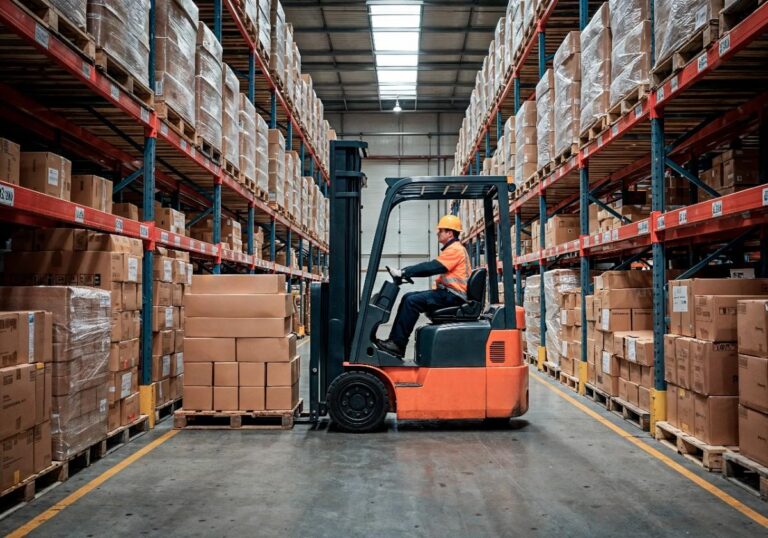
Introduction to Forklift Systems in Modern Industry
Forklifts are essential machines in warehouses, manufacturing units, logistics hubs, and construction environments. They are designed to lift, transport, and organize heavy loads efficiently, making them a core part of material handling operations. However, the performance and safety of these machines depend heavily on the condition of their individual components. Every forklift is made up of multiple mechanical, hydraulic, electrical, and structural systems that work together to ensure smooth operation.
Understanding forklift parts is important for operators, maintenance teams, and business owners because it directly affects safety, productivity, and operational cost. When even a single component begins to fail, it can impact the entire machine’s performance, leading to downtime, repairs, and potential safety hazards. This is why regular inspection and timely replacement of parts are critical in industrial environments.Forklifts are complex machines composed of many interconnected systems such as the mast, carriage, forks, engine or battery, hydraulic system, tires, brakes, and control units. Each of these components plays a specific role in ensuring that the forklift performs its tasks efficiently and safely.
Major Structural Forklift Components
The structural framework of a forklift forms the foundation of its entire operation. The chassis or frame holds all major systems together, including the power source, mast, counterweight, and wheels. This structure ensures stability during lifting and movement.
One of the most important structural elements is the counterweight, which balances the load being lifted at the front of the machine. Without it, forklifts would easily tip over during operation. The operator cabin is another essential part, providing a safe and controlled environment where the operator manages the machine using steering, braking, and lifting controls.These structural components are designed to withstand heavy loads and constant usage in demanding industrial environments. Regular inspection of these forklift parts helps ensure that the machine remains stable, safe, and reliable during operation.
Mast System and Lifting Mechanism
The mast is one of the most critical components of a forklift because it is responsible for lifting, lowering, and positioning loads. It is a vertical assembly located at the front of the machine and operates using hydraulic cylinders and chains. The mast allows forklifts to reach different heights depending on the model and configuration.
There are different types of mast systems, including single-stage, double-stage, and triple-stage masts. Each type is designed for specific lifting requirements and operational environments. The hydraulic lift cylinder controls vertical movement, while the tilt cylinder adjusts the angle of the load for better stability during transport.The mast also includes the carriage, which holds the forks and ensures proper load distribution. Any damage or misalignment in the mast system can significantly affect lifting performance and safety. This makes mast components some of the most important forklift parts requiring regular servicing and inspection.
Forks and Load Handling Components
Forks are the most recognizable part of a forklift and are directly responsible for lifting and carrying loads. These steel extensions slide under pallets or materials to support and transport them safely. Forks come in different sizes, shapes, and weight capacities depending on the type of material being handled.The carriage connects the forks to the mast and provides stability during lifting operations. It ensures that loads remain balanced and secure while being moved. The load backrest is another important safety feature that prevents materials from falling backward toward the operator.
Since forks handle direct contact with heavy loads, they experience constant wear and tear. Regular inspection for bending, cracks, or deformation is necessary to maintain safe operation. Damaged forks can lead to serious accidents, making them one of the most critical forklift parts to monitor.
Hydraulic System and Its Importance
The hydraulic system is the backbone of forklift lifting power. It enables the machine to lift heavy loads with minimal mechanical effort. This system consists of hydraulic pumps, cylinders, hoses, valves, and fluid reservoirs that work together to create pressure and movement.
Hydraulic cylinders control both lifting and tilting functions, allowing smooth and controlled operation. If there is any leakage or pressure imbalance, the forklift may lose lifting capability or become unstable. Hydraulic fluid quality also plays a key role in system performance.
Proper maintenance of hydraulic components ensures smooth lifting operations and prevents sudden breakdowns. These systems are among the most technically important forklift parts because they directly affect load-handling efficiency and safety.Forklifts are powered either by internal combustion engines or electric batteries. Each system has its own set of components that require maintenance and care. Internal combustion forklifts use engines, fuel systems, radiators, and exhaust systems to generate power.
Electric forklifts rely on batteries, controllers, and electrical wiring systems. Battery health is especially important because it determines how long the forklift can operate without interruption. Poor battery maintenance can reduce performance and increase charging time.Both engine types require regular servicing, including oil changes, filter replacements, and system inspections. Power-related forklift parts are essential for ensuring consistent performance and operational reliability.
Tires, Wheels, and Mobility Systems
Tires play a major role in forklift stability, traction, and movement. Depending on the working environment, forklifts use either pneumatic or solid tires. Pneumatic tires are suitable for outdoor and rough terrain conditions, while solid tires are commonly used in indoor warehouse environments.
Worn or damaged tires can affect balance and maneuverability, increasing the risk of accidents. Uneven tire wear may also place extra stress on other mechanical components. Regular tire inspection and replacement are necessary to maintain smooth and safe operation.Wheels and axles also contribute to load distribution and movement control. Together, these mobility-related forklift parts ensure that the machine can navigate safely in different working conditions.
Brake System and Safety Components
The brake system is one of the most important safety features of a forklift. It ensures that the machine can stop safely even when carrying heavy loads. Components such as brake pads, master cylinders, and hydraulic brake lines must be kept in good condition to avoid failures.
Other safety components include seat belts, warning lights, horns, and overhead guards. These features protect operators from accidents and external hazards. The overhead guard, for example, prevents falling objects from injuring the operator during operation.
Regular inspection of safety-related forklift parts is essential for maintaining compliance with workplace safety standards and reducing the risk of accidents.
Electrical and Control Systems
Modern forklifts rely heavily on electrical systems for operation and control. These systems include wiring harnesses, sensors, switches, controllers, and display panels. They manage functions such as lifting speed, steering response, and system diagnostics.
Electric forklifts especially depend on advanced control systems to regulate battery usage and performance. Faulty electrical components can lead to operational failures or inconsistent performance.
Maintaining electrical forklift parts ensures that operators have accurate control over the machine and that all systems function efficiently.Forklifts operate in demanding environments where wear and tear is unavoidable. Continuous usage leads to gradual degradation of components, making regular maintenance essential. Replacing worn-out parts at the right time prevents major breakdowns and improves machine lifespan.
Preventive maintenance includes checking hydraulic systems, inspecting forks, testing brakes, and evaluating engine performance. Businesses that follow proper maintenance schedules experience fewer breakdowns and lower repair costs.Timely replacement of damaged forklift parts also improves workplace safety and ensures uninterrupted operations.
Conclusion: Why Forklift Parts Matter for Long-Term Efficiency
Forklifts are complex machines that rely on multiple interconnected systems to function effectively. From structural components like the frame and mast to functional systems like hydraulics, engine, and brakes, every part plays a critical role in overall performance.Understanding and maintaining forklift parts is essential for ensuring safety, efficiency, and long-term reliability. Businesses that prioritize regular inspections and timely repairs benefit from reduced downtime, improved productivity, and lower operational costs.
In modern industrial environments where efficiency and safety are top priorities, proper care of forklift components is not optional, it is a necessity. Well-maintained machines perform better, last longer, and contribute to smoother and more productive operations across all industries.
