



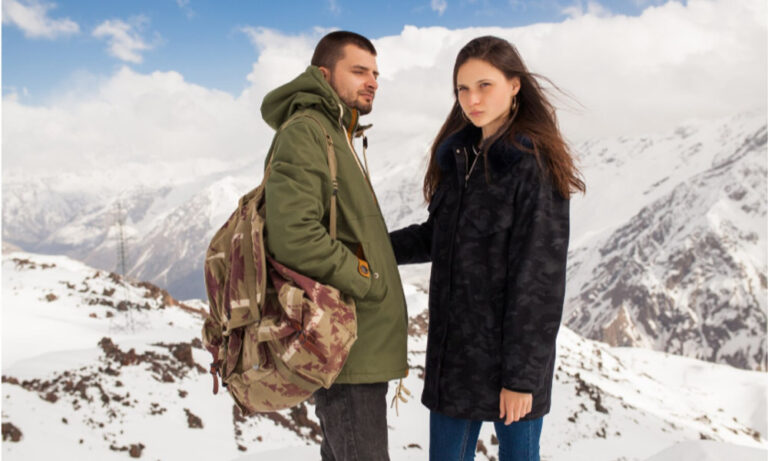
Northern Pakistan has become one of South Asia’s most talked-about travel regions, and it is easy to see why. Snow-covered peaks, turquoise lakes, high mountain passes, green valleys and dramatic roads give the north a scale that feels almost unreal. It is a place for travellers who want landscapes that stay in the memory long after the journey ends.
For visitors looking at flights to Pakistan, the northern regions are often the part of the country that sparks the most curiosity. Cities such as Islamabad and Lahore may be the main arrival points, but many travellers quickly start planning onward routes to Hunza, Skardu, Fairy Meadows, Swat or the Karakoram Highway.
What makes Northern Pakistan special is not only the scenery. It is the combination of mountains, hospitality, local food, culture, adventure and a slower rhythm of travel. The region is not always easy to move through, but that is part of why it feels so rewarding.
Hunza is the classic northern escape
Hunza is often the first place people picture when they think of Northern Pakistan. The valley sits among the mountains of Gilgit-Baltistan and has become known for its views, forts, orchards and calm village life.
Karimabad is one of the main places to stay, with views across to peaks such as Rakaposhi and Ultar Sar. The pace here is slower than in Pakistan’s larger cities. Visitors come for mountain views, walks, local cafés, apricot products, walnut cake and visits to historic forts such as Baltit and Altit.
Hunza is also a good introduction to the north because it has a growing tourism infrastructure while still feeling deeply connected to its landscape. Guesthouses, small hotels and local guides make it accessible, but the valley has not lost its sense of place.
Skardu feels wilder and more remote
Skardu offers a different kind of northern beauty. It is wider, drier and more dramatic in parts, with landscapes that shift between lakes, desert, mountains and valleys. It is also a gateway for some of the world’s most serious mountain expeditions.
Travellers who visit Skardu often include places such as Shangrila, Upper Kachura Lake, Shigar Fort, Satpara Lake, the Cold Desert and Deosai National Park. Each has a different mood. Some are peaceful and reflective. Others feel open, raw and vast.
Skardu is not the sort of place to rush. The distances can be long, roads can be rough, and weather can affect plans. But for travellers who like dramatic scenery and fewer crowds, it is one of the strongest reasons to visit Pakistan.
Fairy Meadows has a special kind of appeal
Fairy Meadows is one of the most famous mountain destinations in Pakistan, largely because of its view of Nanga Parbat. The journey there is part of the experience. It usually involves a road journey, a jeep ride and a hike, depending on conditions and route.
This is not a polished resort-style destination. It is more rustic and requires preparation. That is why it appeals to travellers who want something closer to nature. The reward is a view that feels huge and quiet, especially at sunrise or sunset when the light shifts across the mountain.
Fairy Meadows is best suited to visitors who are comfortable with basic facilities, walking and mountain weather. It is not for everyone, but for the right traveller it can be a highlight of the whole trip.
The Karakoram Highway is part of the adventure
The Karakoram Highway is more than a road. It is one of the great journeys of the region, running through some of Pakistan’s most dramatic mountain scenery towards the China border.
Travelling along it gives visitors a real sense of scale. The road passes rivers, cliffs, valleys, villages and viewpoints that make the journey feel as important as the destination. It also connects many of the places that define the north, including Gilgit and Hunza.
Road travel in this part of Pakistan needs patience. Landslides, weather and roadworks can affect timings. A journey that looks simple on a map may take longer in reality. But the route is a major part of why Northern Pakistan feels so different from more conventional holiday destinations.
Northern Pakistan is not only about views
The landscapes are the first thing people notice, but the cultural side of the region is just as important. Gilgit-Baltistan, Hunza, Skardu, Swat and Chitral all have distinct traditions, languages, food and ways of life.
Visitors will find local dishes that feel different from food in Lahore, Karachi or Islamabad. In Hunza, simple mountain food, apricot-based products, soups, breads and local teas are part of the experience. In Skardu and nearby areas, Tibetan and Central Asian influences can be felt in the food and architecture.
Hospitality is also a major part of travel in the north. Many visitors remember conversations with drivers, guesthouse owners, guides and families as much as they remember the views.
The best time to visit depends on the trip
Northern Pakistan changes strongly with the seasons. Spring brings blossom in parts of Hunza. Summer opens up more mountain routes and makes high-altitude travel easier. Autumn is famous for golden colours, especially in Hunza. Winter can be beautiful but much harder, with cold weather, snow and limited access in some areas.
For many travellers, late spring to early autumn is the most practical window. However, monsoon conditions and mountain weather can still affect roads and flights. Flexibility is important.
This is not a region where every day should be planned too tightly. Leave room for delays, weather changes and unexpected stops. The north rewards travellers who slow down and adjust.
A practical route for first-time visitors
A first trip to Northern Pakistan often works best with a simple route. Islamabad to Gilgit or Hunza is a common starting point, either by road or domestic flight where available. Hunza can then be explored over several days before returning or continuing towards Skardu if time allows.
Another option is Islamabad to Skardu, then exploring Skardu, Shigar, Khaplu and nearby lakes. This works well for travellers who want landscapes that feel more remote and open.
Trying to see Hunza, Skardu, Fairy Meadows and Swat in one short trip can make the journey too rushed. Northern Pakistan is best enjoyed with fewer stops and more time in each place.
Travel needs planning and respect
The north is beautiful, but it is also a mountain region where conditions can change quickly. Travellers should check road conditions, weather, local advice and any permit requirements before setting out. A trusted local guide or driver can make the journey much smoother.
Responsible travel matters too. The region’s natural beauty is fragile. Visitors should avoid littering, respect local customs, dress modestly in villages and support local businesses where possible.
Tourism can bring income to mountain communities, but only if it is handled carefully. The best travellers are those who enjoy the place without treating it as a backdrop.
Why the north stays with people
Northern Pakistan is not just another mountain destination. It has a mixture of scale, warmth and raw beauty that feels personal once experienced. The peaks are enormous, but the small moments often matter just as much.
A cup of tea after a long road journey. A quiet morning in Hunza. A walk beside a lake in Skardu. A conversation with a local host. A sudden view of a snow-covered mountain between clouds.
These are the moments that make the north special. It is a place that asks for time, patience and curiosity. In return, it offers some of the most memorable travel experiences in Pakistan.
