



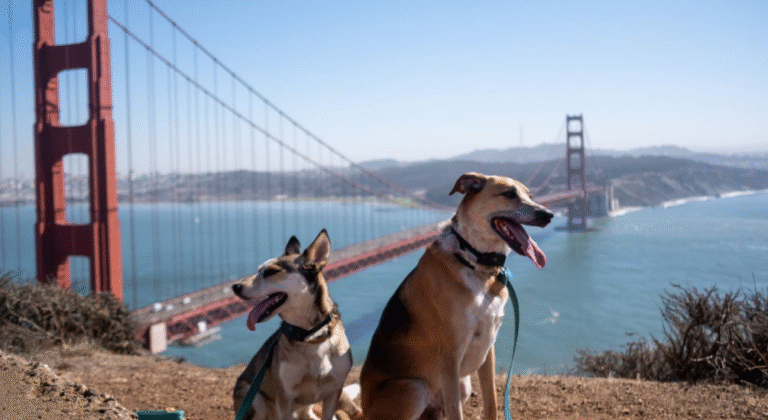
When you take your dog on a trip, it doesn’t matter if it’s just for a weekend, vacation or a move overseas. The most important thing about traveling is being prepared. Just like packing food and bringing a leash aren’t all that goes into preparing for a trip, proper preparation will allow your dog to safely, comfortably and healthily enjoy this new experience. In addition to finding out what each location demands from your dog as well as understanding your dog’s individual needs, having enough time to prepare will allow you to make sure your dog receives any needed Vaccinations before leaving, obtain the necessary Travel documentation, purchase the appropriate transportation equipment (if needed) and receive a general health evaluation before departing.
Start Planning Early
You should start planning your trip 4 to 6 weeks in advance. If you can do so, this will provide you with the time to collect the required documentation, check and possibly get the Vaccinations up-to-date and assist your dog in adjusting to any new equipment associated with Travel.
Planning is very crucial when traveling internationally due to requirements such as health certificates, import permits, and waiting periods; however, even though there are no international requirements involved in domestic Travel, planning can reduce unnecessary stress and the possibility of forgetting some items.
Keep Vaccinations Up to Date
Travel preparations would include ensuring that your dog’s vaccinations are up-to-date. Several diseases can be prevented through vaccination. Some locations around the world have very specific regulations as to which vaccines are required in order for the traveler (dog) to enter the country. Additionally, many places such as kennels, hotels, and vacation rentals have their own set of rules regarding vaccinations. It is also helpful to check and see what type of routine vaccinations need to be given prior to leaving so that they do not run out during your travels.
Organize Travel Documents
It’s common for proper documentation to be as important as preparing your dogs essentials when traveling.
Documentation you may need to travel will depend on where you’re going. Documentation may include vaccination records, identification (ID) documents, veterinary health certification, microchip information and import or export permits.
When traveling internationally, in most cases, there will be additional documentation needed, which takes time to get. In some locations, certain health tests are also required by law before entry.
Having both printed and electronic versions of important documents creates another layer of protection should something happen to either version during the trip.
Schedule a Pre-Travel Health Check
Before leaving on a trip, it would be beneficial to schedule a basic health checkup. This will help determine whether any possible medical issues may hinder your pets ability to travel.
Your veterinarian will evaluate your pet’s general health, their physical condition, how well they move around, and any current or past medical issues. Additionally, if your dog has been prescribed long term medication, your vet may need to adjust it so that your dog receives their medication properly while you’re away from home.
Dogs who are older, young, or have ongoing medical problems may especially want to plan for longer trips.
The pre trip visit is also a great time to talk about potential health risks at your final destination related to parasites or environmental hazards.
Choose the Right Travel Carrier or Restraint
Safe travel is an essential part of taking your pet along when you travel by car.
Car travel
Your pet needs to be securely fastened into your vehicle. A pet safety harness designed for crash testing, a secured pet carrier (the size will depend upon the size of your pet), or a pet travel crate are all good options. If your pet can roam about your vehicle while it’s in motion, there is a higher chance that your pet could get injured if you were to make a quick stop or if you were involved in an accident. The greater danger is that roaming pets can be distracting to the driver of the vehicle.
Air travel
There are times when flying is necessary. To fly with your pet safely, the travel crate must meet the airlines requirements for size, ventilation and security. Additionally, your pet should be able to stand up, turn around within the crate and lie down comfortably without feeling claustrophobic. Introduce your pet to the crate at least two months before departure to help minimize stress on flight day.
Small breeds
For smaller breeds, it is usually possible to transport them in a pet carrier that provides adequate ventilation and enough room for your pet to stretch and move normally. All carriers should have secure closures and sturdy construction so that they cannot open accidentally.
Pack Essential Travel Supplies
A properly prepared traveling case will allow your pet to continue their daily routines while on the trip.
The most common items you’ll want to bring along are enough food for the duration of the trip, as well as fresh, clean water (and if necessary, collapsible bowls), a leash, collar, ID tags, waste bags, any prescribed medications and an item of the dog’s regular bed.
As it has been previously stated, bringing your dog’s normal food along will help to avoid any potential gastrointestinal problems due to abrupt changes in their diet.
A favorite toy or blanket can assist with providing a sense of security to your dog when they’re exposed to new areas. The blankets and toys carry familiar smells from home and provide some sense of familiarity in unfamiliar settings.
Monitor Health During Travel
Some dogs don’t get much travel experience, so they need time to acclimate themselves to the idea of going on a lengthy road trip.
Short trips will allow them to understand what is happening with the vehicle movement and the less likely they will be to exhibit excessive fear/ anxiety during longer trips.
Gradually introducing your dog to their travel carrier will help create positive associations for your dog rather than creating fear associated with their travel crate.
Maintaining a calm and consistent pre travel routine typically will minimize your dog’s excitement or nervousness.
After Arriving at Your Destination
Many dogs adapt easily to changing environments; however, some dogs require a little time to settle in. The most effective ways to minimize a dog’s stress levels when introducing him to a new environment include providing familiar bedding, adhering to a regular feeding schedule and allowing for gradual exposure to the new area.
In cases where international travel or local exotic parasites or wildlife are present, it would be beneficial to monitor your dog on a daily basis for at least three days after arrival.
The amount of familiarity you can maintain will depend upon the length of your travels. Maintaining as much of a routine as possible (as long as it is safe) will assist your dog’s physical and emotional wellbeing throughout the duration of the trip.
Common Mistakes to Avoid
There are several common mistakes people make when preparing to take their dog on a trip. Leaving everything until the last minute could cause you to miss important documentation or vaccination information.
A full stomach, especially from a big meal right before you leave for the airport/road trip, etc., increases the risk of motion sickness.
Using a crate that is too small for your dog, leaving behind medication(s) your dog regularly takes, or not securing your dog properly in the car, puts them at risk for injury and illness. Most of these preventable problems can be avoided by taking a little extra care before you leave.
Conclusion
Taking your dog along on a vacation is more than just getting to where you want to go. Preparing ahead of time to ensure your dog has current vaccinations, gathering all of the necessary paperwork, scheduling a basic veterinary exam and choosing the correct equipment for traveling with your dog contribute greatly to having a safe and enjoyable trip.
When you plan for your dog’s specific needs, both you and your dog will have a more relaxed and enjoyable vacation.
