



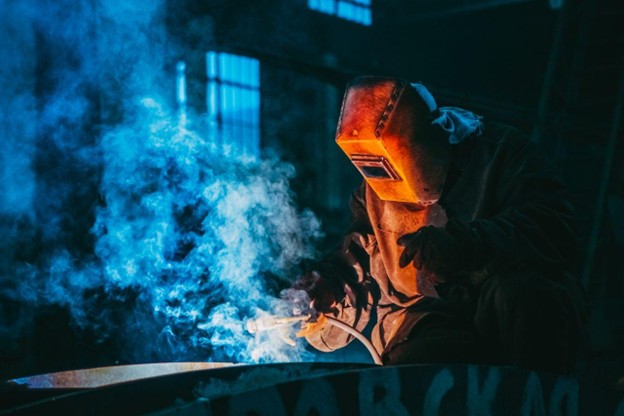
Walking onto a busy fabrication shop floor for the first time is an absolute rush. The hum of heavy machinery, the bright flash of welding arcs, and the smell of heated steel make you realize you’re in a space where real, tangible things get built. It’s exciting, but it can also be incredibly intimidating.
Here’s the honest truth: a metalworking shop has no shortage of ways to hurt you if you’re careless. Sparks fly, sharp edges are everywhere, and heavy industrial machinery doesn’t care if your hands are in the wrong place.
Staying safe isn’t about being afraid of the tools; it’s about respecting them and wrapping yourself in the right armor. Before you launch into setting up a home workshop or investing in expensive trade school courses, you need to make sure your personal protective equipment is locked down.
1. Auto-Darkening Headshield Tech
If you’re doing any kind of fusion work, your eyes are your most valuable asset and your most vulnerable target. Looking at a raw welding arc for even a split second can cause “arc eye”—which feels exactly like having hot sand rubbed directly into your eyeballs.
The old-school flip-front hoods get the job done, but they are a nightmare for beginners. You have to nod your head violently to drop the shield, which usually knocks your torch out of position right before you start. Upgrading to modern miller welding helmets changes everything. They feature lightning-fast auto-darkening filters that switch from clear to shaded the millisecond your arc lights up. This keeps your hands completely free to focus on maintaining a steady travel speed and a perfect torch angle.
2. Heavy-Duty Leather Protection
Synthetic fabrics like polyester or nylon have absolutely no place on a fabrication floor. The moment a stray glob of hot slag hits synthetic cloth, it melts instantly, fusing hot plastic directly to your skin.
You need thick, heavy-duty cowhide or split-leather sleeves and jackets. Leather acts as a natural heat sink and deflects grinding sparks without catching fire. Pair that leather jacket with heavy-weight denim jeans that have no frayed edges or cuffs, as those little stray threads are perfect tinder for stray sparks.
3. Precision Footwear with Impact Deflection
In a machine shop, everything you handle is heavy, dense, and usually slippery from cutting fluids. Drop a solid steel block or a raw pipe section on your foot in regular sneakers, and you’re heading straight to the hospital.
Invest in a proper pair of steel-toe or composite-toe leather boots rated for impact and compression resistance. Look for options with slip-resistant soles, too. Shop floors naturally accumulate fine layers of oil, metal shavings, and cooling liquids that can turn a smooth concrete floor into an ice rink if your footwear lacks the right grip profile.
4. Smart Financial Planning for Tooling
Setting up a proper workstation is expensive, and rookie fabricators often cut corners on safety gear because they spent their entire budget on an entry-level welder or a grinder. Trying to save fifty bucks by buying cheap, unrated safety glasses or a thin jacket is a massive mistake.
If you are treating this craft as a serious business venture or a career pivot, treat your tool acquisition as a capital investment. Budget for your gear carefully so you don’t end up compromising on your health. While some folks utilize quick, alternative micro-funding platforms like Lamina to cover unexpected emergency bills or bridge small cash gaps, the smartest move for long-term shop safety is saving up in advance so you can buy certified, high-grade personal protective gear right from day one.
5. Multi-Layered Respiratory Defense
The dust generated from grinding down clean edges, cutting raw pipe, or prepping rusty steel is incredibly toxic. Breathing in zinc fumes from galvanized steel or fine metallic dust can lead to serious respiratory issues down the road.
Never skimp on your lungs. Keep a stash of tight-fitting respirator masks under your workbench. Make sure they fit comfortably under your face shield so you actually wear them consistently throughout your shift.
