



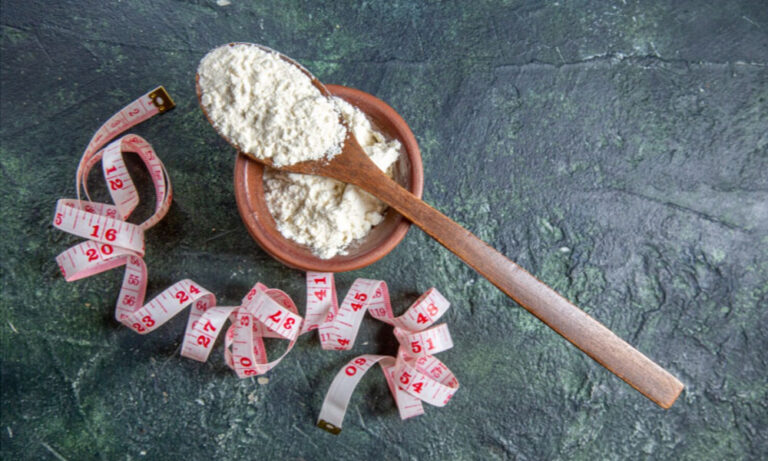
Whey protein is one of the few supplements that sits comfortably in both the cutting and bulking world. When people research whey protein price in Pakistan, they are often trying to figure out whether they need a separate product for fat loss and a different one for building muscle. The answer is no. The same tub on your shelf can serve completely different goals depending on how you use it. What changes is the strategy around the supplement, not the supplement itself.
This article breaks down exactly how to use whey protein for fat loss versus muscle building by adjusting calorie context, timing, and dose so you can get the most out of the same product regardless of your current goal.
Why Whey Protein Works for Both Goals
Before getting into strategy, it helps to understand why whey protein is useful in both scenarios. Whey is a complete protein, meaning it contains all nine essential amino acids your body cannot produce on its own. It is also the richest dietary source of leucine, the amino acid that directly triggers muscle protein synthesis.
For muscle gain, this means your body has everything it needs to build new tissue when you train. For fat loss, high protein intake does something equally important: it preserves the lean muscle you already have while you are eating in a deficit. Muscle is metabolically expensive tissue. Lose it during a cut and your metabolism slows, fat loss stalls, and you end up smaller but not actually leaner in any meaningful sense.
Whey protein protects against that outcome in both phases of training.
The Calorie Context Is Everything
The single biggest difference between using whey for fat loss versus muscle gain is not the protein itself. It is the total calorie picture around it.
For muscle gain, whey protein contributes calories toward a surplus. A scoop mixed with full-fat milk, a banana, and oats becomes a 500-plus calorie shake that pushes you above your maintenance level, which is exactly what you want when building mass. The protein content drives muscle protein synthesis while the carbohydrates and fats fuel recovery and energy demands.
For fat loss, the same scoop of whey mixed with water becomes a 120-calorie, high-satiety meal replacement that keeps protein intake high without eating into your calorie budget. The goal flips entirely. Instead of adding calories to a surplus, you are using protein to fill your stomach, reduce hunger hormones like ghrelin, and protect muscle tissue while eating less overall.
This is why people in a cutting phase often find that adding whey protein actually makes dieting easier. Protein is the most satiating macronutrient. A shake between meals controls appetite far more effectively than a snack of the same calorie count from carbohydrates or fat.
The product is identical. The calorie context around it determines whether it serves fat loss or muscle gain.
Timing Strategy for Muscle Gain
When building muscle, protein timing is about capitalising on windows when your body is most primed to synthesise new tissue. These windows are real but not as narrow as gym culture often suggests. You have roughly two to three hours on either side of training where protein intake has the greatest anabolic effect.
For muscle gain, the recommended timing pattern looks like this. Take one scoop within 30 to 60 minutes after training to deliver amino acids during peak recovery. Take a second scoop before bed, particularly if your last whole food meal was more than two hours earlier. This overnight serving prevents the catabolic fasting state that occurs during sleep and keeps muscle protein synthesis running through the night.
For people in a serious mass-building phase, a third serving in the morning before breakfast or blended into a high-calorie morning shake can help meet the elevated daily protein targets that muscle growth requires, typically 1.6 to 2.2 grams of protein per kilogram of body weight per day.
The spacing matters. Research consistently shows that muscle protein synthesis responds better to protein distributed across three to four meals throughout the day rather than concentrated in one or two large hits. Your post-workout shake, your bedtime shake, and your whole food meals should together cover your daily target with relatively even distribution.
Timing Strategy for Fat Loss
During a cut, protein timing serves a different purpose. The goal is no longer to maximise anabolic signalling at every opportunity. The goal is to manage hunger, prevent muscle breakdown, and make the calorie deficit feel sustainable.
For fat loss, the most useful timing windows are between meals rather than just around training. Taking a scoop of whey mid-morning, around 10 to 11 AM, prevents the hunger spike that leads to overeating at lunch. Taking another serving in the mid-afternoon, around 3 to 4 PM, closes the gap between lunch and dinner without adding significant calories.
Post-workout protein remains important during a cut because you are still training and your muscles still need amino acids to repair. However, the post-workout shake during fat loss should be leaner, meaning water-based rather than milk-based, and without added carbohydrates or calorie-dense extras unless your training volume is very high.
The key shift in timing philosophy is this: during a bulk, you time protein around anabolic windows. During a cut, you time protein around hunger windows. Both approaches are strategic. They just serve different outcomes.
Dose Adjustment Between Goals
Daily protein targets differ between cutting and bulking, and your whey intake should reflect that.
For muscle gain, most research supports 1.6 to 2.2 grams of protein per kilogram of body weight daily. For a 75-kilogram person, that is 120 to 165 grams of protein per day. Depending on how much protein your whole food diet provides, two scoops of whey per day is a reasonable supplement contribution toward that total.
For fat loss, the protein target actually goes slightly higher, not lower. When eating in a calorie deficit, muscle breakdown risk increases, so researchers recommend 2.0 to 2.4 grams per kilogram of body weight during a cut. For the same 75-kilogram person, that is 150 to 180 grams per day. The irony is that you need more protein when eating less food, which is exactly why whey supplementation becomes more important, not less, during a fat-loss phase.
Where the dose adjustment shows up is not in the total daily protein but in how each serving is constructed. During a bulk, each shake is larger, more calorie-dense, and paired with carbohydrates. During a cut, each serving is leaner, lower in total calories, and focused purely on protein delivery without extra macronutrients that eat into your daily budget.
Mixing Strategies That Match Your Goal
The way you mix your whey protein should directly reflect your current phase.
For muscle gain: mix one scoop with 300 ml full-fat milk for a base of around 250 to 300 calories. Add a banana or half a cup of oats to push it toward 400 to 500 calories. This makes the shake a meaningful calorie contributor that helps you hit your surplus without needing to eat a full sixth meal.
For fat loss: mix one scoop with 250 to 300 ml water. Add a small amount of ice if you want texture. Keep it clean. The result is around 110 to 130 calories of almost pure protein that controls hunger, meets your amino acid needs, and leaves your calorie budget available for nutrient-dense whole foods.
If you mix your cutting shake with milk and add extras out of habit from your bulking phase, you are quietly adding 200 to 300 extra calories per day without realising it. Over a week that is 1400 to 2100 extra calories, enough to stall or reverse fat loss entirely. The product is the same. The preparation decides the outcome.
What Stays the Same Regardless of Goal
Whether you are cutting or bulking, several principles around whey protein do not change.
Quality of the protein matters in both phases. A whey concentrate or isolate with at least 20 to 25 grams of protein per serving and minimal added sugars serves you well in both scenarios. Avoid mass gainer blends during a cut, as these are designed specifically to add calories and will work against your deficit.
Consistency matters more than perfection in both phases. Hitting your protein target across 85 out of 90 days produces far better results than aggressive protein intake for two weeks followed by weeks of inconsistency.
Training stimulus does not disappear during a cut. You need to continue resistance training while losing fat to preserve muscle. Whey protein without the training signal is far less effective regardless of the phase you are in.
Hydration supports protein metabolism in both phases. Adequate water intake throughout the day improves digestion, kidney function, and the efficiency with which your body uses dietary protein.
Switching Between Goals Mid-Year
Most serious lifters cycle through phases across the year. A typical structure might involve a 12 to 16-week muscle-building phase followed by an 8 to 12-week fat-loss phase. During this transition, the only changes to your whey protein routine should be the ones outlined above: calorie context, mixing method, timing focus, and how each serving is structured within your broader daily intake.
You do not need to buy a new product. You do not need a fat-burning protein blend or a special cutting supplement. The whey protein that helped you build muscle during your bulk is the same product that will help you preserve that muscle during your cut. Adjust the strategy, keep the product.
The Bottom Line
Whey protein is not a bulking supplement or a cutting supplement. It is a protein delivery tool, and like any tool, its value comes from how intelligently you use it. In a caloric surplus with strategic timing and calorie-dense preparation, it drives muscle growth. In a caloric deficit with lean preparation and hunger-focused timing, it supports fat loss while protecting the muscle you have worked to build.
Understanding this distinction saves you money, simplifies your supplement stack, and produces better results in both phases of training. The tub does not change. The thinking behind it does.
