



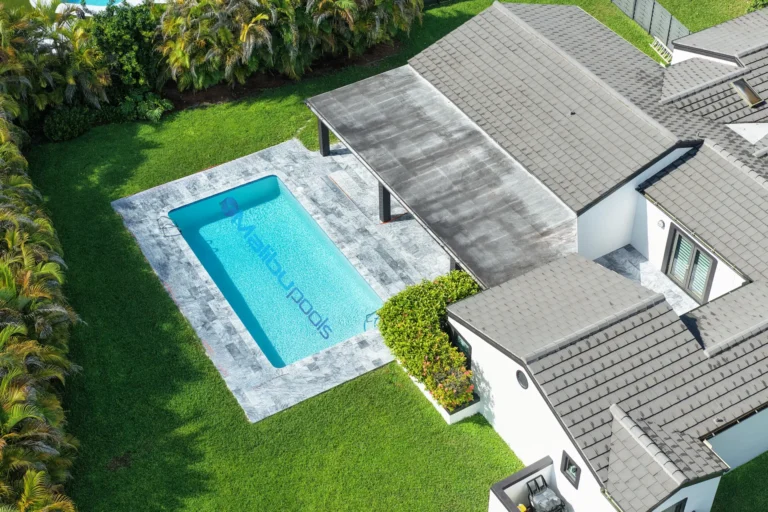
A swimming pool is more than just a feature of a property; it is a place for relaxation, recreation, exercise, and entertainment. Over time, however, even well-maintained pools can develop issues that affect their appearance, performance, and safety. Exposure to weather conditions, constant water pressure, chemical treatments, aging materials, and regular use can gradually cause wear and damage. Addressing these problems at the right time is essential to maintaining a functional and attractive swimming environment.
Many pool owners focus primarily on routine cleaning and chemical balancing, but structural and mechanical issues require equal attention. Cracks, leaks, damaged surfaces, malfunctioning equipment, and deteriorating finishes can reduce the overall experience of owning a pool. Ignoring these concerns may allow minor problems to develop into more serious and expensive repairs.
A properly maintained pool provides years of enjoyment and adds value to a property. Understanding common problems, recognizing warning signs, and knowing when professional assistance is needed can help owners protect their investment and maintain a safe swimming environment.
Recognizing the Importance of Regular Pool Maintenance
Regular maintenance is one of the most effective ways to prevent major problems. A pool system includes many interconnected components, including the structure, filtration equipment, pumps, plumbing lines, lighting systems, and surface materials. Each part plays an important role in keeping the pool clean, safe, and operational.
Without consistent care, small issues can quickly become larger concerns. For example, a minor leak may appear harmless at first, but continuous water loss can weaken surrounding structures and increase operating costs. Similarly, equipment that is not properly maintained may experience reduced performance and require premature replacement.
Routine inspections allow property owners to identify early signs of damage before they become complicated. Checking water levels, monitoring equipment performance, and observing changes in the pool’s appearance are simple steps that contribute to long-term reliability.
Common Problems That Affect Swimming Pools
Swimming pools can experience a wide range of issues depending on their age, construction quality, and maintenance history. One of the most common concerns is cracking. Cracks may appear in pool surfaces, tiles, decks, or surrounding structures due to movement, pressure changes, or natural aging.
Leaks are another frequent problem. A pool that constantly loses water may have damage in the shell, plumbing system, or fittings. Finding the source of a leak can be challenging because water may travel through hidden areas before becoming noticeable.Surface deterioration is also common over time. Pool finishes may become rough, stained, faded, or damaged due to chemical imbalance and years of exposure. These issues affect appearance and may create uncomfortable conditions for swimmers.
Mechanical problems can also interfere with pool operation. Pumps, filters, heaters, and automated systems require proper maintenance to function efficiently. When these components fail, water quality and circulation may decline.Addressing these concerns through professional pool repair services helps restore performance, improve safety, and prevent further deterioration.
Understanding Pool Leaks and Their Impact
Leaks are among the most important issues requiring immediate attention because they can affect both the pool structure and surrounding areas. While some water loss is normal due to evaporation, excessive reduction in water level may indicate an underlying problem.
Several factors can contribute to leaks, including damaged plumbing connections, cracks in the pool shell, worn seals, or issues with filtration equipment. Identifying the exact cause requires careful inspection and specialized knowledge.A leaking pool can increase water expenses and place additional strain on pumps and filtration systems. It may also contribute to soil movement around the structure, which can create further damage over time.
Early detection is critical because smaller leaks are generally easier and less expensive to address than major structural failures. Regular monitoring and professional evaluations help maintain the integrity of the entire pool system.
Repairing Structural Damage and Surface Issues
The structural condition of a pool determines its safety and longevity. Cracks, shifting materials, and damaged surfaces should never be ignored because they may indicate deeper issues. Professional evaluation helps determine whether repairs involve simple surface improvements or more extensive structural solutions.
Surface restoration can improve both appearance and functionality. Over time, pool interiors may develop rough textures, discoloration, or worn areas that affect comfort and aesthetics. Updating damaged finishes can create a smoother, cleaner, and more attractive swimming environment.
Tile and coping repairs are also important components of maintenance. Loose tiles or damaged edges can create safety concerns while reducing the visual appeal of the pool area. Addressing these problems improves both durability and appearance.Professional pool repair methods are designed to address specific problems while preserving the overall structure. The appropriate approach depends on the severity of damage, construction type, and long-term maintenance goals.
Maintaining Efficient Pool Equipment
A swimming pool depends on several mechanical systems to maintain clean and balanced water. Pumps circulate water through filtration systems, filters remove debris, and heaters regulate temperature when needed. When any of these components experience problems, the entire pool experience can be affected.
Poor circulation may lead to cloudy water, uneven chemical distribution, and increased algae growth. A damaged pump may operate inefficiently or stop working completely. Filters that are clogged or worn may struggle to remove contaminants effectively.
Regular equipment inspections help identify performance issues before complete failure occurs. Cleaning components, replacing worn parts, and ensuring proper operation can extend equipment lifespan and improve efficiency.Energy efficiency is another important consideration. Older or damaged equipment often requires more power to operate, increasing utility costs. Upgrading or repairing systems can help reduce unnecessary energy consumption while improving performance.
The Role of Water Chemistry in Pool Condition
Balanced water chemistry is essential for maintaining a healthy and comfortable swimming environment. Incorrect chemical levels can damage surfaces, equipment, and accessories while affecting swimmer comfort.Water that is too acidic may damage metal components and finishes, while excessive chemical levels can cause irritation and accelerate deterioration. Proper balance helps protect the pool structure and maintain clear, clean water.
Testing water regularly allows owners to monitor important factors such as pH, sanitizer levels, and alkalinity. Maintaining appropriate conditions reduces stress on the pool system and minimizes the likelihood of damage.Chemical balance also works together with physical maintenance. Even a well-balanced pool requires proper cleaning, circulation, and inspection to remain in excellent condition.
Improving Safety Through Proper Repairs
Safety should always be a priority when maintaining a swimming pool. Damaged surfaces, broken equipment, leaks, and unstable surrounding areas can create hazards for swimmers and visitors.Cracked surfaces may cause discomfort or injury, while malfunctioning electrical components can present serious risks. Addressing problems quickly helps create a safer environment for everyone using the pool.Proper lighting, secure barriers, and functional drainage systems also contribute to overall safety. Regular inspections ensure that all components continue working as intended.
Investing in timely maintenance is not only about protecting the pool itself; it is also about protecting the people who enjoy it.While some maintenance tasks can be handled by property owners, complex issues often require professional expertise. Experienced technicians have the tools and knowledge needed to accurately diagnose problems and recommend effective solutions.Professional services can identify hidden issues that may not be obvious during routine observation. Advanced inspection techniques allow specialists to locate leaks, evaluate structural concerns, and assess equipment performance.
Another advantage of professional assistance is quality workmanship. Proper repairs completed with suitable materials help ensure long-lasting results and reduce the likelihood of repeated problems.Choosing professional support for major issues provides confidence that the pool is being restored safely and effectively.
Planning for Long-Term Pool Performance
A successful maintenance strategy involves more than fixing problems as they appear. Long-term planning helps prevent unexpected failures and keeps the pool operating efficiently.
Creating a regular inspection schedule, monitoring equipment performance, and addressing minor concerns early can significantly extend the lifespan of a pool. Preventive care is usually more affordable than emergency restoration.Upgrading outdated components can also improve functionality. Modern equipment, improved materials, and efficient systems can enhance performance while reducing maintenance requirements.
A proactive approach ensures that the pool remains a valuable and enjoyable part of the property for many years.Pool improvements should be based on practical needs and long-term goals. Some owners may focus on improving appearance, while others may prioritize efficiency, safety, or functionality.
Before starting any major project, it is important to evaluate the current condition of the pool and determine which improvements provide the greatest benefits. Professional guidance can help identify the most effective solutions.Whether addressing minor damage or completing significant upgrades, careful planning ensures better results. Quality materials, skilled workmanship, and proper maintenance contribute to a more durable and enjoyable swimming environment.
Final Thoughts on Maintaining a Healthy Swimming Environment
A swimming pool requires consistent care to remain attractive, safe, and functional. Over time, exposure, usage, and natural aging can create problems that affect performance and appearance. Recognizing warning signs and responding quickly can prevent small issues from becoming major challenges.
Professional pool repair services provide effective solutions for restoring damaged systems, improving safety, and extending the life of a pool. From structural concerns and surface damage to equipment failures and leaks, proper attention ensures that each component continues working effectively.
A well-maintained pool represents a valuable investment in comfort and lifestyle. Through regular inspections, preventive maintenance, and timely repairs, property owners can continue enjoying a clean, safe, and reliable swimming environment for many years. Choosing the right approach to care and restoration helps preserve both the beauty and functionality of the pool while protecting the investment made in creating an enjoyable outdoor space.
