



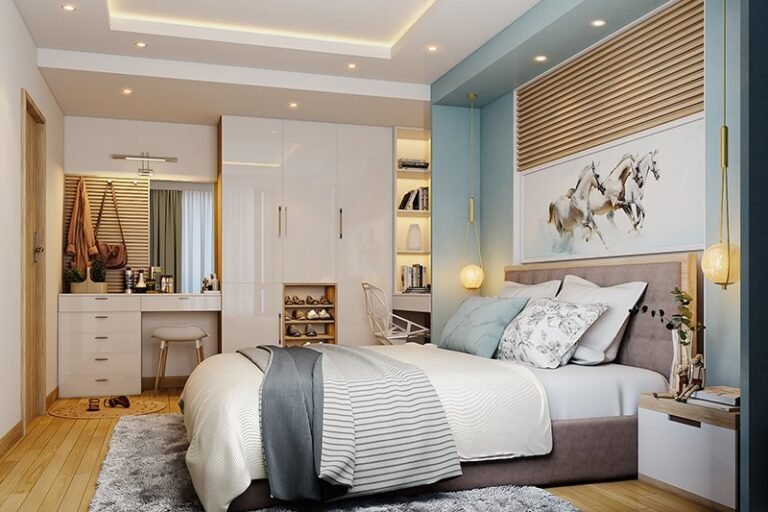
A small bedroom can be just as comfortable and attractive as a larger one. The difference often comes down to how the available space is organised and which furniture pieces are selected. When every part of a room has a purpose, it becomes easier to maintain an uncluttered environment without sacrificing comfort or essential storage.
Whether furnishing a compact apartment, a spare bedroom or a smaller family home, thoughtful furniture choices can make everyday living considerably easier. The aim is not simply to fit more items into a room but to create a layout that feels open, practical and welcoming.
Start with a Practical Bedroom Layout
Before purchasing new furniture, take time to assess the room. Measure the walls, identify the position of windows and doors, and consider where the bed will fit most comfortably.
The bed usually occupies the largest portion of a bedroom, so its placement should be considered first. Leaving enough room to move around it makes the space more accessible and prevents furniture from feeling crowded.
It is also helpful to identify which items are genuinely necessary. Avoid adding storage units or decorative pieces simply because there is an empty corner. A carefully planned layout generally works better than a room filled with unnecessary furniture.
Choose Furniture That Serves More Than One Purpose
One of the most effective approaches to organising a compact bedroom is selecting furniture that offers multiple benefits.
For example, beds with built-in storage can provide additional space for spare bedding, seasonal clothing and other household items. Folding desks can create a useful workspace without permanently occupying valuable floor area.
Choosing suitable space saving bedroom furniture can also help homeowners maintain an organised bedroom while making better use of limited dimensions.
The key is to select pieces according to actual household requirements. Furniture should make daily routines easier rather than introduce additional inconvenience.
Make Better Use of Vertical Space
When floor space is limited, looking upwards can provide useful storage opportunities.
Install Wall-Mounted Shelves
Wall shelves offer a practical place for books, photographs, ornaments and everyday essentials. They can reduce the need for additional cabinets while keeping frequently used items accessible.
Positioning shelves above a desk or beside the bed can also make otherwise unused wall areas more functional.
Select Suitable Wardrobes
A well-proportioned wardrobe can provide substantial storage without occupying unnecessary floor space. Designs with internal shelves, hanging rails and drawers help organise different types of clothing.
Sliding-door wardrobes may also be worth considering where there is limited room to open conventional doors.
Keep the Colour Scheme Simple
Colour can influence how spacious a bedroom feels. Lighter shades such as white, cream and soft grey often help create a brighter atmosphere, particularly when natural light is limited.
This does not mean that every surface needs to be the same colour. Introducing a few contrasting accessories, cushions or textured fabrics can add character without making the room appear busy.
Mirrors are another useful addition. When positioned thoughtfully, they can reflect natural light and create a greater sense of depth.
Avoid Common Furniture Planning Mistakes
Even attractive furniture can become impractical when it is poorly suited to the room.
One common mistake is choosing oversized items without measuring the available space. Another is purchasing several separate storage units when a single well-designed piece could provide sufficient capacity.
It is equally important to maintain clear walking areas. Leaving space around the bed, wardrobe and entrance makes the bedroom easier to use.
Finally, avoid excessive decoration. Keeping surfaces reasonably clear helps create a calmer environment and makes routine cleaning simpler.
Final Thoughts
A smaller bedroom does not have to feel restrictive. With sensible planning, appropriate storage and carefully selected furniture, even limited space can become comfortable and functional.
By prioritising multifunctional designs, using vertical areas and maintaining a balanced layout, homeowners can create a bedroom that meets everyday needs without feeling overcrowded. The most effective approach is to focus on practical improvements that make the room easier to live in while preserving its overall appearance.
