



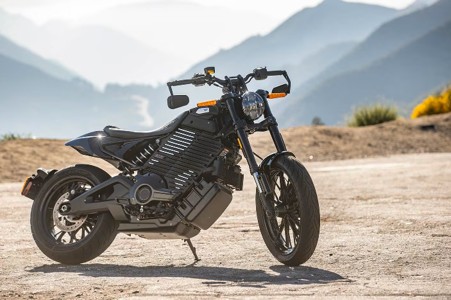
The electric bikes aren’t used for a single purpose. The Live Wire S2 Mulholland is one of those machines that illustrates just how far the category has evolved, where speed, control, and usability are now interchangeable within the same space. Riders are not only chasing performance anymore. They are looking for bikes that fit into real routines without effort.
This has altered the way in which consumers rate electric bikes. It is no longer how quickly a bike can go or how quickly it accelerates. Riders evaluate the way a bike behaves in traffic, how smoothly it charges, and how effectively it performs during daily usage. At present, the attention has shifted to balance. A bike that performs when necessary and remains practical is always our priority.
The more options that hit the market, the easier and faster it becomes to find this balance. But at the same time, it complicates the choice. This clearly separates the necessary options and helps you identify whether I need it for performance or practicality.
Understanding Performance in Electric Bikes
Performance in electric bikes is felt instantly. The moment you twist the throttle; the response becomes direct and smooth. It’s not a lag, it’s no gear shifting, just power that builds your trust in various riding conditions.
As speed increases, the stability becomes just as important as acceleration. Stay in control with suspension and precise braking on an electric bike that works. It feels quite sharp but also predictable, even with an aggressive turn or abrupt stop.
- Immediate torque that makes overtaking easier
- Consistent power delivery across different riding modes
- Stable handling at higher speeds
- Strong braking response for quick control
For riders who enjoy open roads and dynamic riding, these elements alter the whole experience for riders.
Where Practicality Matters More
Not every ride is about speed. The majority of riders spend time in traffic, brief commutes, or running day-to-day errands. This is where practicality starts to matter more than raw power.
A practical electric bike reduces effort in small but important ways. It should be easy to charge, comfortable to sit on, and simple to manage in tight spaces. These details improve the overall ownership experience.
- Range that covers daily travel without frequent charging
- Simple charging setup at home or nearby stations
- Comfortable posture that reduces fatigue over time
- Easy handling in traffic and parking situations
When a bike fits smoothly into daily life, it becomes more useful than one focused only on performance.
Finding the Balance Between Both
Performance-Focused Riders
Some riders want excitement every time they ride. For these, it is all about performance. If the bike impresses with a strong push from a response and an adjustable performance perspective, they will be happy to take the trade-offs.
These riders often choose bikes that push limits. They value speed, control, and design over everyday convenience. The riding experience matters more than long-term ease.
Practical Riders
Others prefer a smoother and more reliable experience. They want a bike that works consistently without needing extra planning or adjustments.
Comfort and efficiency are everything to these Riders. Unlike peak performance, they strive for range, simplicity, and lower running costs. A predictable ride is more important than an aggressive output,
Both approaches are valid. The right balance will vary from person to person based on what they want and how often they use it.
How To Choose the Right Electric Bike
Choosing the right bike is about clarity. It depends on how the bike functions in daily life. If most rides are within the city, a practical setup with good range and comfort makes more sense. For longer or faster rides, performance features become more valuable. The decision should reflect real usage rather than occasional needs.
- Think about your daily riding distance
- Check if charging access is convenient and reliable
- Check the seat and handling beforehand
- Consider long-term maintenance and support
Having a clear understanding of your routine will prevent you from purchasing a bike that doesn’t fit your needs fully.
Cost and Ownership Experience
Electric bikes shift the ownership experience in small, understated ways. The up-front cost is usually higher, but the running cost is lower over time, thus balancing the investment.
Maintenance is easier with fewer moving parts. The long-term performance of battery life becomes a key factor. Service support and ease of parts availability are other important areas riders need to look at.
It is thus more worthwhile to look at the overall ownership cost over many years instead of just the purchase price. This allows for a clearer view of value.
Conclusion
That performance vs practicality gap has been reduced more than earlier. The best electric bikes today offer both without forcing riders to choose between one or the other. We are going into an era where the decision to buy is more based on personal use than technical limits.
Riders will always prefer speed and performance, while others will prioritise comfort and everyday usability. Finding a bike that aligns with how it will actually be used matters.
As the space continues to evolve, models like the Livewire S2 Alpinista demonstrate how quickly manufacturers are closing the gap. These bikes deliver long-term value while remaining practical for daily use. The balance is not a compromise anymore. It is becoming the expected standard for modern electric bikes.
