



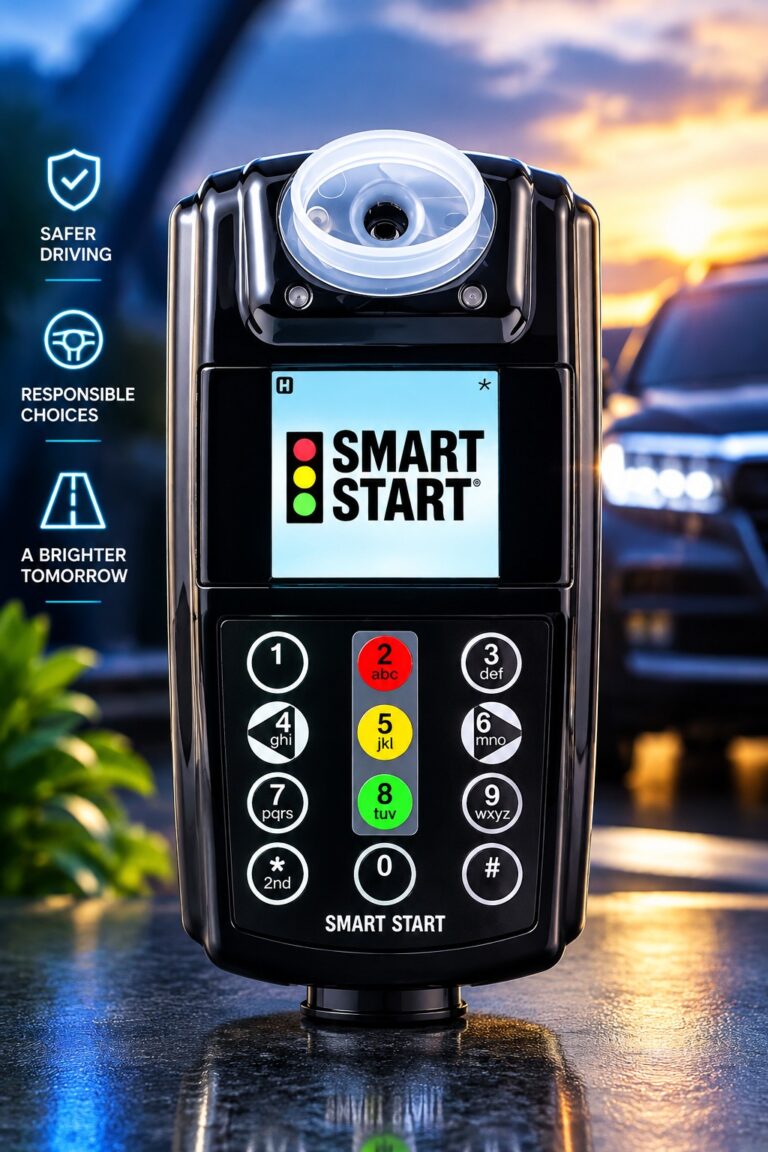
Road safety remains a paramount concern across Australia, where the consequences of impaired driving pose significant threats to individuals and communities. One effective measure that has gained widespread adoption is the use of ignition interlock devices. These devices are particularly aimed at preventing alcohol-affected individuals from operating vehicles, thereby reducing the likelihood of accidents and promoting safer roads. Understanding the role of such programmes reveals why they are integral to enhancing public safety.
An alcohol ignition interlock device is designed to measure the blood alcohol concentration (BAC) of a driver before the vehicle can be started. If the device detects a BAC above a preset limit, it prevents the engine from starting, reducing the risk that an intoxicated individual will drive.
Understanding Ignition Interlock Devices
Ignition interlock devices operate through a simple yet effective procedure. The driver must blow into the device’s sensor prior to starting the vehicle. The sensor analyses the breath sample for traces of alcohol. When the BAC exceeds the allowed threshold, the device disables the vehicle’s ignition system, stopping the engine from turning over.
In some programs, periodic rolling retests are also mandated while driving. This feature ensures that the driver maintains sobriety throughout the trip and discourages attempts to circumvent the device. Non-compliance with these requirements typically results in reporting to relevant authorities.
The Role of Ignition Interlock Programs in Australian Road Safety
Australian authorities have adopted ignition interlock programs as an important tool in reducing road accidents related to drink-driving. These programs often form part of court orders or rehabilitation pathways for individuals convicted of drink driving offences. By requiring offenders to use devices, the programs directly limit opportunities to reoffend.
Statistics consistently demonstrate that ignition interlock programs contribute to lower recidivism rates. They provide both a deterrent effect and active prevention, which together improve overall compliance with drink-driving laws. Moreover, such programs enhance public confidence in road safety enforcement policies.
Benefits to the Community and Individuals
The community receives considerable advantages from ignition interlock programs. Reduced incidence of impaired driving equals fewer accidents, injuries, and fatalities on Australian roads. Families are spared potential tragedies resulting from collisions involving intoxicated drivers.
For the individual user, participation in an interlock program promotes responsible behaviour and accountability. It enables continued access to driving privileges under controlled conditions, supporting reintegration while maintaining safety standards.
Installation and Accessibility of Interlock Devices
Considering the critical role of ignition interlock devices, accessibility and convenience of installation are essential. Users require reliable service providers who offer professional fitting and maintenance. The availability of providers ensures that individuals mandated or voluntarily choosing these devices can comply effectively.
Smart Start Interlocks support throughout Australia is an example of a dedicated service ensuring clients receive quality advice, installation, and ongoing device support. Such organisations play a vital role in program success by facilitating easy access to devices and responsive customer service.
Finding a device installation near me has never been easier, thanks to widespread service locations. Professional installation ensures devices are securely fitted and properly calibrated to legal specifications.
Legal and Regulatory Framework
Ignition interlock programs operate within a structured legal framework throughout Australia. Legislation mandates the use of devices for certain offenders and supports enforcement mechanisms. These frameworks differ slightly among states but share objectives of reducing impaired driving.
Compliance monitoring, including reporting mechanisms backed by technological safeguards in the devices themselves, ensures transparency and accountability. Participants need to understand their legal obligations related to device use, maintenance, and reporting violations.
Technical Features and Advancements
Modern ignition interlock devices are equipped with advanced technologies to enhance reliability and prevent tampering. Features such as camera verification, GPS tracking, and encrypted data transmission create robust systems that support law enforcement and judicial oversight.
Improvements in sensor accuracy and device usability have enhanced user experience and reduced false positives. These innovations ensure devices remain a credible and effective tool in road safety strategies.
Complementary Strategies for Safer Roads
While ignition interlocks are vital, they form part of a broader suite of measures aiming to combat impaired driving. Educational campaigns, strict enforcement of BAC laws, and community engagement programmes work in tandem to foster a culture of sober driving.
Collaborative efforts between regulatory bodies, service providers, and communities maximise the impact of safety initiatives. Ignition interlock programmes are a key component within this integrated approach.
Encouraging Responsible Behaviour
The presence and enforcement of ignition interlock requirements encourage individuals to adopt responsible decision-making regarding alcohol consumption and driving. By removing opportunities to drive under the influence, these programmes foster safer behaviours over time.
Public Awareness and Education
Initiatives highlighting the availability and benefits of ignition interlock devices contribute to informed choices among at-risk populations. Public education is crucial in promoting acceptance and compliance with device use.
Support and Rehabilitation
Interlock programmes often include support mechanisms that facilitate rehabilitation for drink-driving offenders. This holistic approach not only prevents reoffending but also addresses underlying behaviour patterns contributing to impaired driving.
Challenges and Considerations
Despite their effectiveness, ignition interlock programmes face challenges such as user inconvenience, costs, and the need for regular servicing. Addressing these issues requires ongoing improvements in device design and service delivery.
Additionally, ensuring equitable access across diverse Australian regions remains important to maintain programme integrity and public safety benefits.
Conclusion
Ignition interlock programs have proven to be essential in advancing road safety for all Australians by preventing alcohol-impaired driving. Their technological sophistication, legal backing, and community benefits highlight their value within national road safety strategies.
Continued support from organisations like Smart Start Interlocks ensures that devices are readily available and properly maintained, supporting compliance with legal requirements and promoting safer communities. By integrating ignition interlock programmes into broader safety frameworks, Australia can significantly reduce alcohol-related road incidents and safeguard its citizens.
