



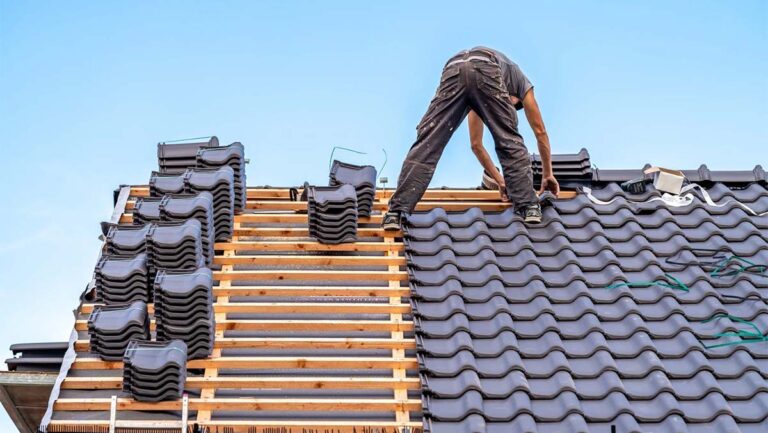
A roof is one of the most essential components of any building, serving as the primary barrier against weather conditions, environmental exposure, and external damage. It protects the interior structure, insulation systems, electrical components, and occupants from rain, heat, wind, and debris. Despite its importance, the roof is constantly subjected to harsh environmental stress, which gradually causes wear and deterioration over time. Without proper maintenance and timely restoration, even minor roofing problems can quickly develop into serious structural issues.
Professional roof repair services play a critical role in preserving building safety, preventing water damage, and extending the lifespan of roofing systems. Whether dealing with leaks, damaged shingles, storm-related destruction, or aging materials, timely repairs help restore structural integrity while reducing long-term maintenance costs. For both residential and commercial properties, maintaining a strong and reliable roof is essential for ensuring comfort, energy efficiency, and property value.
The Importance of a Well-Maintained Roofing System
The roof is continuously exposed to changing environmental conditions throughout the year. Sunlight causes materials to expand and contract, heavy rain introduces moisture stress, and strong winds can loosen or damage roofing components. Over time, these factors gradually weaken the structure and create vulnerabilities that may lead to leaks or structural failure.
A properly maintained roof protects more than just the building exterior. It also safeguards insulation systems, ceilings, walls, electrical wiring, furniture, and personal belongings from moisture intrusion. Even a small leak can lead to mold growth, wood rot, and interior water damage if not addressed promptly.
Roof condition also directly affects energy efficiency. Damaged roofing materials or poor insulation can allow heat transfer, increasing heating and cooling costs throughout the year. Maintaining a strong roofing system helps regulate indoor temperatures more effectively and reduces overall energy consumption.Additionally, the visual appearance of a roof contributes significantly to curb appeal and property value. A damaged or aging roof can negatively impact the appearance of a home or commercial building, while a well-maintained roof enhances overall aesthetics and marketability.
Common Causes of Roof Damage
Roof deterioration can occur due to a wide range of factors, many of which develop gradually over time. Weather exposure is one of the most common causes. Heavy rainfall, hail, snow, and high winds place constant stress on roofing materials and structural components.Sun exposure is another major factor. Ultraviolet radiation gradually weakens shingles, membranes, and protective coatings, causing them to crack, fade, or become brittle. This deterioration reduces the roof’s ability to resist moisture and temperature fluctuations.
Water accumulation caused by clogged gutters or poor drainage can also damage roofing systems. Standing water increases pressure on materials and creates opportunities for leaks and structural weakening.
Aging is a natural contributor to roof deterioration as well. Over time, roofing materials lose flexibility and strength, making them more vulnerable to environmental damage.Poor installation practices and low-quality materials can accelerate wear and create long-term structural issues. Improper flashing, weak sealing, or incorrect alignment often lead to premature leaks and repair needs.
Signs That Indicate Roofing Problems
Recognizing early warning signs is essential for preventing major damage and costly restoration projects. One of the most obvious indicators is water leakage inside the building. Stains on ceilings or walls often suggest moisture penetration through the roofing system.
Missing, cracked, or curled shingles are another common sign of deterioration. Damaged shingles reduce weather protection and expose underlying materials to moisture and sunlight.Sagging roof sections may indicate structural weakening caused by prolonged water damage or compromised support systems. This issue requires immediate professional attention to prevent further risk.
Mold growth, musty odors, or excessive humidity inside the building can also signal hidden roof leaks. Moisture trapped within insulation or structural materials creates ideal conditions for mold development.Higher energy bills may indicate insulation problems caused by roof damage, allowing heat or cool air to escape more easily.
Regular inspections help identify these warning signs early and allow timely corrective action before the damage spreads.
The Roof Repair Process
Professional roof repair begins with a detailed inspection to determine the extent and source of the problem. Roofing specialists evaluate shingles, flashing, gutters, structural supports, ventilation systems, and underlayment materials to identify both visible and hidden issues.
After the inspection, technicians develop a repair strategy based on the severity of the damage. Minor repairs may involve replacing damaged shingles, resealing flashing, or patching leaks. More extensive repairs may require structural reinforcement, underlayment replacement, or partial reconstruction of affected sections.
The repair process typically includes removing damaged materials, preparing the surface, and installing replacement components using industry-approved methods. Proper sealing and waterproofing are essential to ensure long-term durability and leak prevention.
Once repairs are completed, a final inspection verifies that the roof is structurally sound and capable of withstanding environmental conditions effectively.Professional repair services also ensure compliance with local building codes and safety standards, reducing future liability risks for property owners.
Different Types of Roofing Materials and Repair Methods
Different roofing systems require different repair techniques depending on the materials used. Asphalt shingles are among the most common residential roofing materials and typically require replacement of damaged sections or resealing around vulnerable areas.Metal roofs are known for durability but may develop corrosion, loose fasteners, or seam issues over time. Repairs often involve resealing joints or replacing damaged panels.
Tile roofs can crack due to impact or weather stress. Individual tile replacement is commonly used to restore these systems while preserving visual consistency.
Flat roofs require specialized repair methods because they are more prone to water pooling. Repairs may involve membrane patching, drainage improvements, or waterproof coating applications.Commercial roofing systems often use advanced materials such as EPDM, TPO, or modified bitumen membranes, each requiring specific repair procedures and maintenance techniques.
Benefits of Timely Roof Repair
One of the most significant benefits of addressing roofing issues early is cost reduction. Small problems such as minor leaks or damaged shingles are relatively inexpensive to repair compared to extensive structural restoration caused by prolonged neglect.Timely repairs also help extend the lifespan of the entire roofing system. By addressing weak areas before they worsen, property owners can delay the need for complete roof replacement.
Improved energy efficiency is another major advantage. Restoring damaged insulation and sealing leaks helps maintain stable indoor temperatures, reducing heating and cooling costs.
Safety is equally important. A compromised roof can create hazards such as falling materials, water intrusion, or structural collapse during severe weather conditions. Prompt repairs reduce these risks significantly.Aesthetic improvement also contributes to property value. A clean, well-maintained roof enhances curb appeal and creates a more positive impression for visitors, buyers, or tenants.
Preventive Maintenance and Long-Term Care
Preventive maintenance plays a critical role in reducing repair frequency and preserving roof performance. Regular inspections allow property owners to identify potential issues before they become major problems.Cleaning gutters and drainage systems prevents water accumulation and reduces pressure on roofing materials. Removing debris such as leaves and branches also helps prevent moisture retention and mold growth.
Periodic sealing and coating applications can improve weather resistance and extend material lifespan. UV-protective coatings help reduce sun damage, while waterproof sealants enhance moisture protection.
Tree trimming is another important maintenance practice, as overhanging branches can damage roofing materials during storms or strong winds.Professional inspections are recommended at least once or twice a year, especially after severe weather events.
Commercial Roofing Challenges and Solutions
Commercial buildings often face unique roofing challenges due to their larger surface areas and complex mechanical systems. HVAC units, ventilation equipment, and drainage systems increase the risk of leaks and structural stress.
Flat commercial roofs are especially vulnerable to water pooling and membrane damage. Regular inspections and preventive maintenance are essential for avoiding costly disruptions to business operations.
Professional roofing services help commercial property owners maintain compliance with safety standards while protecting assets and minimizing operational downtime.Modern roofing solutions increasingly focus on sustainability and energy efficiency. Reflective roofing materials help reduce heat absorption, lowering cooling demands during hot weather.
Energy-efficient roofing systems contribute to reduced utility costs and lower environmental impact. Some modern materials are also recyclable and designed for long-term durability, reducing construction waste.Green roofing systems and solar-compatible roofing designs are becoming more popular as sustainability priorities continue growing.
Future Trends in Roofing Technology
Advancements in roofing technology are improving durability, efficiency, and maintenance capabilities. Smart roofing systems equipped with sensors can monitor moisture levels, temperature changes, and structural stress in real time.
Drone inspections are also becoming increasingly common, allowing professionals to assess roof conditions safely and accurately without extensive physical access.
Improved materials with enhanced UV resistance, waterproofing, and impact durability are helping extend roof lifespans and reduce maintenance requirements.As technology evolves, roofing systems will become more intelligent, sustainable, and resilient against environmental challenges.
Conclusion
A strong and well-maintained roof is essential for protecting buildings, maintaining energy efficiency, and preserving long-term property value. Constant exposure to environmental conditions makes roofing systems vulnerable to damage over time, making timely maintenance and restoration critically important.
Professional roof repair services help restore structural integrity, prevent costly damage, and extend the lifespan of roofing systems. Through detailed inspections, quality materials, and expert repair techniques, property owners can ensure reliable protection against weather and environmental stress.
As roofing technology and materials continue to advance, repair solutions are becoming more efficient, durable, and environmentally responsible. Investing in proper roof care today ensures safer, stronger, and more valuable properties for the future.
