



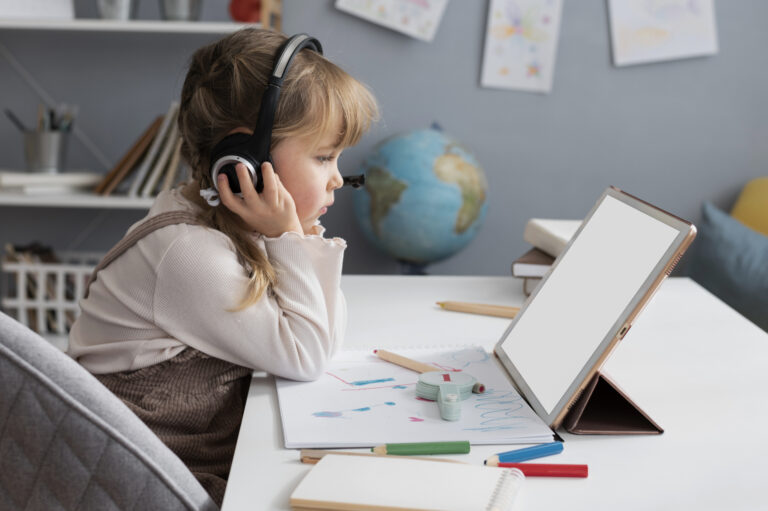
Homeschooling in Florida no longer looks like one fixed model. Some families teach entirely at home. Some combine parent-led instruction with co-ops, tutors, enrichment classes, or microschool-style communities. Others use structured curriculum support while keeping the flexibility to move at their child’s pace. This shift has made Florida homeschool learning models more varied than ever, especially as parents look for education that fits real family schedules, student needs, and long-term goals.
The Florida Department of Education describes home education as a parent-directed educational option that satisfies regular school attendance requirements. It also says parents have the freedom to determine their child’s educational path and the plan for reaching their goals. That freedom helps explain why homeschool programs in the state continue to evolve in different directions.
The Old Image of Homeschooling Is Outdated
Many people still imagine homeschooling as one parent, one child, one stack of textbooks, and a quiet dining room table. That version still exists for some families, but it no longer describes the full range of homeschool life in Florida.
Modern homeschool families may use:
- Full curriculum programs
- Parent-led lesson plans
- Online classes
- Microschool communities
- Hybrid learning groups
- Field-based learning
- Enrichment programs
- Private tutors
- Co-op classes
- Portfolio-based documentation
- Interest-led projects
The core idea remains parent-directed education, but the way families deliver that education has become more flexible and layered.
This evolution matters because parents are not only asking, “Can I homeschool?” They are asking, “What kind of homeschool model fits my child?”
Flexibility Is Becoming the Main Driver
Families are drawn to homeschooling for many reasons, but flexibility is often near the center.
A parent may want more time for reading support. Another may want a calmer environment for a child with anxiety. Another may want a schedule that supports travel, athletics, medical needs, or family priorities. Some parents want stronger academics. Others want a more hands-on childhood.
Florida’s homeschool structure gives families room to make these choices. Because parents direct the educational path, they can design a learning model around the child instead of forcing the child into a fixed classroom rhythm.
This flexibility can affect:
- Daily schedule
- Curriculum choice
- Learning pace
- Teaching style
- Social opportunities
- Academic support
- Enrichment activities
- Assessment methods
- Location of learning
That does not mean homeschooling is unstructured. It means structure can be built differently.
Hybrid Homeschooling Is Growing in Appeal
One of the biggest shifts in homeschool education is the rise of hybrid models.
Hybrid homeschooling gives families a mix of at-home instruction and outside support. A child may learn at home three days a week and attend a learning community or enrichment program on other days. Another family may use parent-led core subjects and outside classes for science, art, music, or writing.
This model appeals to families who want flexibility but do not want to do everything alone.
Hybrid models can help parents balance:
- Academic consistency
- Social interaction
- Parent teaching time
- Group learning
- Specialized instruction
- Family schedule flexibility
For many families, hybrid homeschooling feels like a middle path. It offers more freedom than traditional school but more support than fully independent homeschooling.
Microschool-Style Learning Is Reshaping the Homeschool Experience
Microschool-style learning has become part of the homeschool conversation because it offers small-group instruction without the full structure of a traditional school.
In this model, families may gather with a trained educator, parent guide, or small learning community. Students may work through a shared curriculum, participate in projects, receive targeted instruction, and build peer relationships.
This can be especially helpful for children who need:
- Smaller groups
- More attention
- A calmer learning environment
- Flexible pacing
- Stronger peer connection
- Hands-on lessons
- Regular learning routines
Microschool-style support gives families a way to keep homeschool flexibility while adding community and structure.
Parents Want More Than Curriculum
A curriculum answers the question, “What should my child learn?”
A homeschool program answers a wider set of questions:
- How should the week be structured?
- How do I teach this lesson?
- How do I track progress?
- What if my child struggles?
- How do I keep records?
- When should I slow down?
- When should I move ahead?
- How do I support social development?
- How do I stay consistent?
This is why many homeschool programs are evolving beyond simple curriculum packages.
Families want guidance, documentation tools, lesson plans, community, and educator support. They want help turning flexibility into an actual learning routine.
A parent can buy excellent materials and still feel lost without a plan. Modern homeschool programs are increasingly designed to close that gap.
Learning Is Moving Beyond the Desk
Flexible homeschool models are also changing where learning happens.
Learning may happen in the home, but it may also happen at:
- Libraries
- Museums
- Parks
- Nature trails
- Community centers
- Science programs
- Art studios
- Music classes
- Historical sites
- Farms
- Local businesses
- Co-op classrooms
This matters because children often learn deeply when lessons connect to real experience.
A lesson about plants can happen in a garden. A history unit can connect to a local museum. A math lesson can use cooking, budgeting, building, or measuring. A writing assignment can come from field observations.
This does not replace core academic instruction. It strengthens it by making learning more concrete.
Families Are Personalizing Pace More Intentionally
One of homeschooling’s strongest advantages is pacing.
In a traditional classroom, the group moves forward together. In homeschool settings, parents can adjust the pace based on mastery.
A child who understands a concept quickly can move ahead. A child who needs more practice can stay with the concept longer. A student can work above grade level in reading and below grade level in math without the entire day being defined by one label.
This matters because real academic development is uneven.
Flexible homeschool programs are evolving to make this kind of pacing easier. Instead of asking every child to move through the same content at the same speed, stronger models help families see where the child is and what should come next.
Recordkeeping Is Becoming More Organized
Flexibility does not remove the need for documentation. In Florida, homeschool families should understand their responsibilities regarding records and annual evaluation. The state’s home education information explains that parents direct the educational path, and families should work with their district office for local home education processes.
As homeschooling grows, families increasingly want programs that help them keep learning organized.
Useful recordkeeping may include:
- Work samples
- Reading logs
- Math records
- Writing samples
- Project photos
- Lesson completion notes
- Portfolio materials
- Progress summaries
- Evaluation preparation
Good documentation helps parents feel confident. It also helps if a child later transitions into another school setting.
Technology Is Supporting Flexibility, Not Replacing Parents
Technology has changed homeschool programs, but it has not removed the parent’s role.
Some families use online lessons, digital assessments, video instruction, or planning platforms. Others prefer mostly offline learning. Many use a combination.
The best use of technology supports the family’s goals without taking over the entire learning experience.
Technology can help with:
- Lesson organization
- Skill practice
- Video explanations
- Progress tracking
- Printable resources
- Parent planning
- Virtual classes
- Communication
- Supplemental instruction
But for younger children especially, screens should not become the whole school day. Flexible homeschool programs work best when they balance digital tools with conversation, reading, hands-on work, movement, and real-world exploration.
Social Learning Looks Different Now
A common concern about homeschooling is socialization. Modern homeschool programs are changing how families think about it.
Social learning does not have to depend on a traditional classroom of same-age students. Children can build relationships through smaller, more intentional communities.
Homeschool students may connect through:
- Co-ops
- Microschools
- Sports teams
- Church groups
- Arts programs
- Library events
- Field trip groups
- Volunteer work
- Neighborhood play
- Multi-age learning communities
For many families, this feels more natural than large classroom socialization. Children interact with peers, younger students, older students, mentors, and adults in varied settings.
The point is not to isolate children. The point is to create social environments that match the child’s temperament and family values.
Parents Are Looking for Whole-Child Support
Homeschool programs are evolving because parents are paying attention to more than academic checklists.
They want education to support:
- Emotional confidence
- Social development
- Independence
- Curiosity
- Creativity
- Physical movement
- Problem-solving
- Communication
- Responsibility
- Academic growth
This is especially important for younger students. A child’s learning is connected to their sense of safety, confidence, and belonging.
A strong homeschool model gives children room to grow as people, not only as test-takers.
Flexible Models Help Families Adjust Over Time
A family’s needs may change from year to year.
One year, a child may need more parent-led support. The next, they may be ready for more independent work. A family may start with a structured program and later add co-op classes. Another may begin with an online curriculum and shift toward hands-on learning after discovering what works better.
Modern homeschool programs need to allow this kind of adjustment.
A flexible model should not lock families into one rigid path. It should help them grow, adapt, and refine their approach as they understand their child more clearly.
Why Florida Is Well Positioned for Homeschool Variety
Florida’s parent-directed home education framework gives families room to build different kinds of learning models. Because parents can determine the path and plan, they can select the curriculum, schedule, support structure, and learning environment that fits their child.
That freedom has created space for many models to emerge:
- Traditional homeschool
- Classical homeschool
- Online homeschool
- Hybrid homeschool
- Microschool-supported homeschool
- Project-based homeschool
- Faith-based homeschool
- Secular homeschool
- Unschooling-inspired approaches
- Parent-led structured programs
Not every model will work for every family. But the range of options means parents can choose more intentionally.
The Role of Structured Support
Even flexible families often want support.
Structured support can help parents avoid burnout, stay organized, and feel more confident. It can also help students maintain steady progress.
Support may include:
- Curriculum planning
- Parent training
- Educator guidance
- Community learning days
- Portfolio help
- Progress check-ins
- Skill sequencing
- Suggested routines
- Learning materials
- Social opportunities
This is one reason programs connected to homeschool communities, microschool models, or educator support are becoming more relevant. Parents want freedom, but they also want a framework.
What This Means for the Future of Homeschooling
Homeschooling in Florida is likely to continue becoming more diverse. Families will keep building models that combine home instruction, community, curriculum, digital tools, and flexible scheduling.
The future of homeschooling is less about one definition and more about choice.
Some families will want highly structured programs. Others will want child-led exploration. Some will want hybrid communities. Others will want parent-led academic routines. Some will move in and out of homeschooling depending on family needs.
That variety is the point. Modern homeschooling is evolving because families need education to fit life more realistically.
Conclusion
Homeschool programs in Florida are evolving because families want flexibility without losing structure. Parents are looking for models that support pacing, family schedules, academic growth, social development, and real-world learning.
The old image of homeschooling no longer captures the full landscape. Today’s homeschool families may use curriculum programs, hybrid schedules, microschool communities, co-ops, digital tools, field learning, and structured support.
Florida’s home education framework gives families the freedom to shape learning around their child’s needs. The strongest homeschool programs help families use that freedom well, turning flexible education into a thoughtful, organized, and sustainable learning path.
