



In the modern pharmaceutical industry, maintaining drug stability is not just a regulatory requirement but a critical factor that determines the safety, efficacy, and shelf life of medicinal products. From production to patient use, medicines are constantly exposed to environmental stressors, including moisture, oxygen, light, and temperature fluctuations. These factors can degrade active pharmaceutical ingredients, alter formulations, and ultimately reduce therapeutic effectiveness. As a result, packaging plays a pivotal role in safeguarding medicines throughout their lifecycle. Among the advanced packaging materials available today, Aluminized Bopet Film has emerged as a highly reliable solution for protecting pharmaceuticals from external hazards.
Understanding Drug Stability and Its Importance
Drug stability refers to a pharmaceutical product’s ability to maintain its physical, chemical, microbiological, and therapeutic properties over time. Stability ensures that a medicine delivers the intended dosage and remains safe for consumption until its expiration date. Any compromise in stability can lead to reduced potency, harmful degradation products, or complete ineffectiveness of the drug.
Pharmaceutical companies invest heavily in stability testing under various environmental conditions to determine appropriate packaging solutions. Without adequate protection, drugs may deteriorate due to exposure to humidity, oxygen, and ultraviolet radiation. Therefore, selecting the right packaging material is not merely a logistical decision but a scientific one that directly impacts patient health.
What is Aluminized BOPET Film?
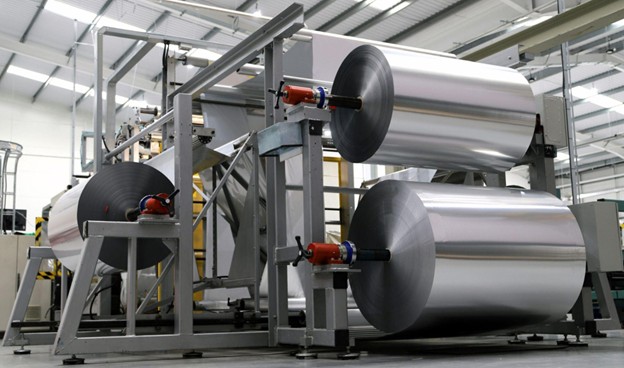
Aluminized BOPET (Biaxially Oriented Polyethylene Terephthalate) film is a specialized material created by depositing a thin layer of aluminum onto a polyester film substrate. This process combines the mechanical strength and flexibility of BOPET with the excellent barrier properties of aluminum. The result is a lightweight, durable, and highly protective film that is widely used in pharmaceutical and food packaging applications.
The aluminum coating enhances the film’s ability to block moisture, oxygen, and light, making it an ideal choice for preserving sensitive pharmaceutical products. Additionally, aluminized BOPET film offers excellent dimensional stability, chemical resistance, and printability, which are essential for modern packaging requirements.
Protection Against Moisture and Humidity
One of the most significant threats to drug stability is moisture. Many pharmaceutical formulations, especially tablets and capsules, are highly sensitive to humidity. Exposure to moisture can lead to hydrolysis, microbial growth, and physical changes such as swelling or dissolution.
Aluminized BOPET film provides an effective moisture barrier due to its low water vapor transmission rate. The aluminum layer acts as a barrier, preventing water molecules from penetrating the packaging. This ensures that the internal environment remains dry, preserving the integrity and efficacy of the drug. In regions with high humidity levels, such as tropical climates, this feature becomes particularly crucial for maintaining product quality.
Oxygen Barrier and Oxidation Prevention
Oxygen exposure is another major factor that contributes to drug degradation. Oxidation reactions can alter the chemical composition of active ingredients, reducing potency and forming harmful byproducts. This is especially critical for drugs containing sensitive compounds such as vitamins, antibiotics, and biologics.
The aluminized layer in BOPET film significantly reduces oxygen permeability, creating a protective barrier that minimizes oxidation risk. By limiting oxygen ingress, the film helps maintain the chemical stability of pharmaceuticals, ensuring that they remain effective throughout their shelf life. This capability is essential for preserving both the safety and performance of medications.
Light Protection and UV Resistance
Light, particularly ultraviolet radiation, can have a detrimental effect on many pharmaceutical products. Photodegradation can lead to discoloration, potency loss, and the formation of toxic compounds. Certain drugs, such as antibiotics and injectable solutions, are especially vulnerable to light-induced degradation.
Aluminized BOPET film offers excellent light-blocking properties due to its reflective aluminum surface. It effectively prevents UV and visible light from reaching the packaged product, thereby reducing the risk of photochemical reactions. This makes it an ideal choice for packaging light-sensitive medicines, ensuring they remain stable even under varying lighting conditions during storage and transportation.
Thermal Stability and Temperature Resistance
Temperature fluctuations during storage and transportation can also impact drug stability. High temperatures can accelerate chemical reactions, while low temperatures may cause physical changes in formulations. Maintaining a stable temperature environment is therefore essential for preserving pharmaceutical quality.
Aluminized BOPET film exhibits excellent thermal stability, allowing it to withstand a wide range of temperatures without losing its protective properties. Its مقاومت to heat and cold ensures that the packaging remains intact and effective under different climatic conditions. This makes it suitable for global distribution, where products may encounter diverse environmental challenges.
Mechanical Strength and Durability
In addition to environmental factors, physical damage during handling and transportation can compromise drug stability. Packaging materials must be strong enough to withstand mechanical stress, including impact, pressure, and abrasion.
BOPET film is known for its high tensile strength and durability. When combined with an aluminum layer, the resulting material provides enhanced مقاومت to tearing and puncturing. This ensures that the packaging maintains its integrity throughout the supply chain, preventing contamination and protecting the product from external hazards.
Chemical Resistance and Compatibility
Pharmaceutical packaging must be chemically inert to avoid interactions with the drug product. Any reaction between the packaging material and the medicine can lead to contamination or degradation.
Aluminized BOPET film is highly resistant to a wide range of chemicals, making it compatible with various pharmaceutical formulations. Its inert nature prevents it from reacting with active ingredients or excipients, thereby preserving the drug’s purity and safety. This compatibility is essential for meeting stringent regulatory standards in the pharmaceutical industry.
Sustainability and Cost Efficiency
In recent years, sustainability has become an important consideration in packaging design. Pharmaceutical companies are increasingly seeking materials that offer both high performance and environmental benefits.
Aluminized BOPET film provides a balance between functionality and sustainability. Its lightweight nature reduces transportation costs and carbon emissions, while its durability minimizes material waste. Additionally, advancements in recycling technologies are making it easier to manage and reuse such materials, contributing to a more sustainable packaging ecosystem.
From a cost perspective, aluminized BOPET film offers an economical solution without compromising on quality. Its ability to extend shelf life and reduce product loss translates into significant savings for manufacturers and distributors.
Applications in Pharmaceutical Packaging
Aluminized BOPET film is widely used in various pharmaceutical packaging formats, including blister packs, sachets, pouches, and strip packaging. Its versatility allows it to be customized for a range of drug types, including solid dosage forms, liquids, and semi-solids.
In blister packaging, the film serves as a protective layer that shields individual doses from environmental exposure. In sachets and pouches, it provides a secure barrier for powders and liquids. Its excellent sealing properties ensure airtight packaging, further enhancing drug stability.
Regulatory Compliance and Quality Assurance
Pharmaceutical packaging materials must comply with strict regulatory standards to ensure product safety and quality. Aluminized BOPET film is manufactured in accordance with industry guidelines and undergoes rigorous testing to meet these requirements.
Regulatory bodies evaluate factors such as barrier properties, chemical compatibility, and mechanical performance before approving packaging materials for pharmaceutical use. The proven reliability of aluminized BOPET film makes it a trusted choice for manufacturers seeking compliance with global standards.
Future Trends and Innovations
The pharmaceutical packaging industry continues to evolve, driven by advancements in material science and technology. Innovations in aluminized BOPET film and Matte Bopet Film focus on enhancing barrier properties, improving recyclability, and incorporating smart features such as tamper-evident and anti-counterfeiting measures.
As demand for high-quality pharmaceuticals grows, the need for advanced packaging solutions will increase accordingly. Aluminized BOPET film is expected to play a key role in meeting these challenges, offering improved protection and performance for next-generation drug products.
Conclusion
Ensuring drug stability is a complex and multifaceted challenge that requires careful consideration of environmental, chemical, and physical factors. Packaging serves as the first line of defense against external hazards, and the choice of material can significantly impact the quality and safety of pharmaceutical products.
Aluminized BOPET film stands out as a highly effective solution, offering superior protection against moisture, oxygen, light, and temperature fluctuations. Its strength, durability, and chemical resistance make it an ideal choice for safeguarding medicines throughout their lifecycle. As the pharmaceutical industry continues to prioritize quality and innovation, aluminized BOPET film will remain an essential component in the quest to deliver safe and effective medicines to patients worldwide.
