



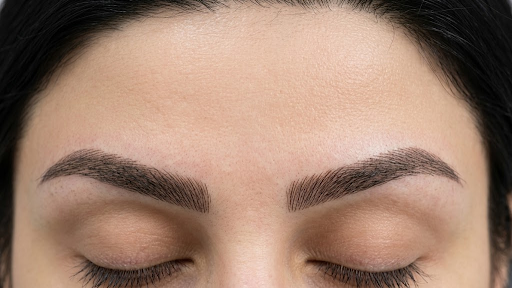
An eyebrow transplant moves your own hair follicles into the brow, so the result is permanent and grows like real hair. Microblading deposits pigment into the upper layers of the skin, so it fades and needs redoing every 12 to 24 months. If your priority is a result that still looks right in ten years, the transplant is the only one of the two that qualifies.
That does not settle the question, because the two procedures solve different problems. Microblading is quick, non surgical, reversible by neglect, and it can create the illusion of density where no follicles exist at all. A transplant is a surgical day procedure with a recovery period and a year long wait before you see the final result. The right choice depends on how much brow hair you still have, how much maintenance you are willing to sign up for, and how permanent you want the decision to be.
What Each Procedure Involves and How Long It Takes
If you have some native brow hair and want density restored in a way that behaves like hair, the transplant is the better fit. That covers most cases of over plucking damage from the nineties and early two thousands, brows thinned by age, patchy areas from old scarring, and men wanting fuller brows without anything that reads as cosmetic. Scar tissue is a particular case, and it is also the one where results vary most: a systematic review of 67 studies found burns to be the single most common reason patients sought brow transplantation, while separately noting that heavily scarred and burned skin tends to produce lower graft survival than undamaged tissue.
Microblading takes 90 minutes to two hours. A technician uses a handheld blade of clustered fine needles to scratch pigment into the upper dermis in hair like strokes, and the initial session is followed by a top up appointment at four to six weeks once the healing has revealed how much pigment the skin retained. There is no anaesthetic beyond a topical numbing cream and no meaningful downtime.
The recovery profiles are different in kind, not just degree. After microblading the brows look dark and sharp for a week, then flake and lighten considerably before settling. After a transplant you get small crusts around each graft for seven to ten days, some swelling for the first 48 hours, and then the transplanted hairs shed almost entirely at two to four weeks. That shedding phase panics people who were not warned about it. The follicles are intact underneath and regrowth starts around month three.
How Long the Results Last and What Maintenance Each Needs
Microblading pigment sits in tissue that renews constantly, so fading is not a failure of technique, it is the design. Most people need a refresh every 12 to 18 months, sometimes stretching to two years on drier, less oily skin. Oily skin holds pigment poorly and blurs the individual strokes faster, so someone with an oily T zone may find themselves back in the chair at nine or ten months.
Colour shift is the maintenance issue nobody mentions upfront. As pigment breaks down, warmer tones can be left behind, which is why older microblading sometimes reads as reddish or greyish rather than simply lighter. Reputable technicians select pigment formulations to reduce this, but sun exposure, retinoids, acids and chemical exfoliants all accelerate the fade regardless.
A transplant needs a different kind of maintenance, which is trimming. Transplanted scalp follicles keep their original growth cycle for a period after relocation, so the hairs grow longer than native brow hair and need cutting every two to four weeks, at least in the first year or two. Many patients find the hairs gradually adapt and slow down, though this varies. Graft survival in experienced hands is generally reported in the region of 85 to 95 percent, and the follicles that take are yours for life.
Who Each Procedure Actually Suits
If you have some native brow hair and want density restored in a way that behaves like hair, the transplant is the better fit. That covers most cases of over plucking damage from the nineties and early two thousands, brows thinned by age, patchy areas from old scarring, and men wanting fuller brows without anything that reads as cosmetic. Scar tissue is a particular case where transplants outperform, since follicles can be placed into scarred skin that pigment work struggles to sit in evenly.
Microblading suits people who want a defined shape more than they want hair, or who are not ready to commit permanently. It also suits anyone whose hair loss is not stable. Someone with active alopecia areata, ongoing thyroid disease or a trichotillomania habit that has not been addressed is a poor transplant candidate, because moving follicles into an environment that destroys them wastes the grafts. Clinics offering eyebrow reconstruction surgery will usually decline those cases until the underlying condition has been stable for a year or more, which is the right call even though it is not what the patient wants to hear.
Total absence of brow hair changes the calculation again. If chemotherapy, burns or long standing alopecia has left nothing at all, a transplant can build a full brow from scratch, while microblading is drawing hair that is not there and tends to look flatter in that context. Combining both is also common, with a transplant providing structure and light pigment work filling the gaps in the first year while the grafts mature.
What Each Costs and How the Numbers Compare Over Time
Microblading in the UK generally runs from around £250 to £600 for the initial session including the top up, with London studios sitting at the upper end and sometimes above it. Refresh appointments cost roughly £150 to £300 each. Over ten years, allowing for a refresh every 18 months, you are looking at somewhere in the region of £1,500 to £2,500 in ongoing spend.
Eyebrow transplant pricing in the UK typically falls between £3,000 and £6,000 depending on graft numbers and whether one or both brows are treated. It is a single payment, often available on finance spread over twelve months, and it does not recur. The crossover point where the transplant becomes the cheaper option arrives somewhere around year eight to ten, though most people choosing surgery are not doing the arithmetic. They are buying the freedom from appointments.
The value judgement sits elsewhere anyway. Pigment work is a service you re-buy indefinitely and a result that changes character as it ages. A transplant is a one time surgical decision with a permanent outcome, which is exactly why the design consultation matters so much more. A brow shape that suits you at 30 is one you will still be wearing at 55.
Before committing either way, ask to see healed results at 18 months rather than the freshly done photographs that dominate social media, because both procedures look excellent on the day and only one of them still does eighteen months later without intervention. And if you are leaning surgical, give some thought to how much of the design you want to hand over. The angle, direction and density of each graft is a permanent aesthetic choice, and the surgeons worth paying for are the ones who spend forty minutes drawing the shape before they touch anything.
