



Introduction to Marble Installation
Marble installation refers to the process of fitting and securing marble stone surfaces in residential, commercial, and architectural spaces to create durable, elegant, and high-value finishes. Marble is a natural stone formed from limestone under intense heat and pressure, and it is widely appreciated for its unique veining patterns, smooth texture, and luxurious appearance. Because of these qualities, marble is commonly used in flooring, countertops, walls, staircases, and decorative features.
Proper installation is critical because marble is both strong and delicate in different ways; it is durable under compression but sensitive to improper handling, moisture, and acidic substances. A well-executed marble installation enhances property value, improves aesthetics, and ensures long-term performance.
Importance of Marble Installation in Modern Construction
Marble installation plays a significant role in modern architecture and interior design due to its ability to combine strength with timeless beauty. It is often used in high-end homes, hotels, offices, and public buildings where visual appeal and durability are equally important.
One of the main reasons marble is preferred is its natural elegance, which instantly elevates the appearance of any space. It also offers long-lasting durability when properly installed and maintained, making it a valuable investment for property owners.
In addition, marble surfaces are heat resistant, making them suitable for kitchens and areas exposed to high temperatures, while also providing a smooth and polished finish that enhances lighting and spatial aesthetics.
Types of Marble Used in Installation Projects
Different types of marble are selected based on color, pattern, durability, and application requirements.
White Marble
White marble is known for its clean and classic appearance, often used in bathrooms, floors, and luxury interiors to create a bright and spacious feel.
Black Marble
Black marble offers a bold and modern look, commonly used in accent walls, countertops, and decorative elements.
Green Marble
Green marble features natural green tones and is often used in decorative spaces and statement designs.
Beige and Brown Marble
These warm-toned marbles are popular for flooring and large surface areas because they create a natural and balanced aesthetic.
Designer and Exotic Marble
Exotic marble varieties feature unique veining and color patterns, making them ideal for luxury installations and high-end architectural projects.
Preparation Before Marble Installation
Proper preparation is essential for successful marble installation. The surface must be cleaned, leveled, and structurally sound to ensure proper adhesion and alignment. Any cracks, uneven areas, or moisture issues must be addressed before installation begins.
Accurate measurements are taken to plan the layout and minimize waste. Marble slabs are also inspected for quality, color consistency, and pattern matching before placement. This planning stage ensures a smooth installation process and a visually balanced final result.
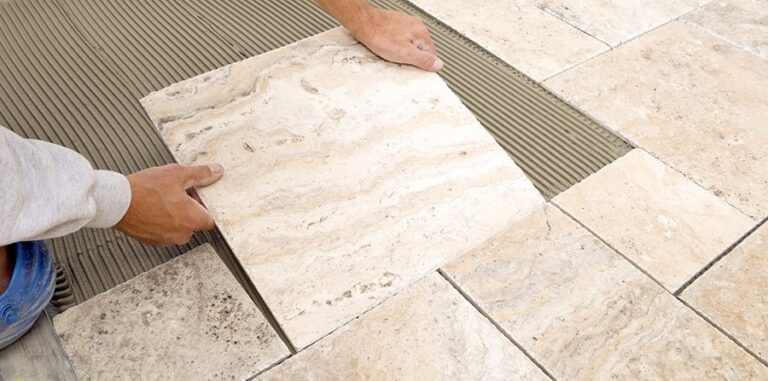
The installation process begins with applying a suitable adhesive or mortar on the prepared surface. Marble slabs are then carefully placed and aligned according to the design layout. Precision is important because even small misalignments can affect the final appearance.After placement, leveling tools are used to ensure that each slab is even and properly aligned with adjacent pieces. Spacers may be used to maintain uniform gaps where grout will be applied.Once the marble is set, grout is filled into joints to secure the structure and enhance visual consistency. After curing, the surface is cleaned to remove excess material and polished to achieve a smooth, glossy finish.
Applications of Marble in Construction and Design
Marble is used in a wide range of applications due to its versatility and aesthetic appeal.It is commonly installed as flooring in living rooms, lobbies, and commercial spaces where durability and elegance are required. Marble countertops are popular in kitchens and bathrooms because of their heat resistance and luxurious appearance.Wall cladding using marble adds depth and sophistication to interiors, while staircases made from marble provide both strength and visual impact. Marble is also widely used in decorative elements such as columns, tabletops, and fireplace surrounds.Marble installation offers numerous benefits that make it a preferred choice in premium construction projects.One of the key benefits is its aesthetic value, as marble creates a natural and elegant look that enhances any space. It also provides long-term durability when properly maintained, making it suitable for high-traffic areas.Marble surfaces are heat resistant and can withstand moderate temperature changes, which makes them ideal for kitchens and bathrooms. Additionally, marble adds significant property value, making it a strong investment for homeowners and real estate developers.
Challenges in Marble Installation
Despite its advantages, marble installation comes with certain challenges that require professional handling. Marble is a heavy material, making transportation and installation labor-intensive.It is also porous, which means it can absorb liquids and stain easily if not properly sealed. Improper installation can lead to cracks, uneven surfaces, or alignment issues that affect both appearance and durability.Cost is another consideration, as marble is generally more expensive than other flooring or surface materials, both in terms of material and installation labor.Proper maintenance is essential to preserve the beauty and durability of marble installations. Regular cleaning with mild, non-acidic cleaners helps prevent surface damage and staining.Sealing is important to protect marble from moisture and spills, especially in kitchens and bathrooms. Polishing may be required periodically to maintain shine and smoothness.Avoiding harsh chemicals and abrasive cleaning tools is critical because they can damage the natural surface and reduce the lifespan of the marble.
Cost Factors in Marble Installation
The cost of marble installation depends on several factors, including the type of marble, surface area, design complexity, and labor charges. Exotic and high-quality marble types are more expensive due to rarity and appearance.Installation costs may also increase based on surface preparation requirements, pattern alignment, and finishing work such as polishing and sealing. Although marble installation involves higher initial costs, it offers long-term value through durability and aesthetic appeal.
Modern design trends are expanding the use of marble in innovative ways. Large-format marble slabs are becoming popular for creating seamless and minimalistic surfaces with fewer joints.Mixed-material designs that combine marble with wood, glass, or metal are also trending in contemporary interiors.
Conclusion
Additionally, lighter marble tones are increasingly preferred for modern homes due to their ability to create bright and open spaces.Engineered marble alternatives are also gaining attention as a cost-effective and more uniform option for large-scale installations.
Marble installation is a premium construction and design solution that enhances beauty, durability, and property value across residential and commercial spaces. When properly installed and maintained, marble provides a timeless aesthetic that remains relevant across changing design trends.
With careful preparation, professional installation, and regular maintenance, marble surfaces can last for decades while maintaining their natural elegance and strength, making them one of the most valuable materials in modern architecture and interior design.
