



For shady gardens, choose solar lights with high-efficiency monocrystalline panels, ideally mounted separately from the light so the panel can sit in the sunniest spot available. Pair that with a larger-capacity lithium battery and a sensible lumen output, often 50 to 200 lumens for paths and borders, plus dimming or motion modes that stretch limited charge through the night. The combination of good panel placement, efficient storage and realistic brightness matters far more than any single specification.
Shade doesn’t rule out solar lighting, but it changes what to look for. Lights that perform well in an open, sunny yard can struggle under trees or beside tall fences, so planning around limited sunlight is the key to getting reliable results.
Why Shade Is So Hard on Solar Lights
Solar lights depend on stored energy. During the day, the panel converts sunlight into electricity and charges the battery, and at night the battery powers the LED. When the panel sits in shade, it collects far less energy, so the battery may only partly charge, leading to dim light or lights that switch off early.
Not all shade is equal. Dappled light under a thin canopy can still provide some charge, while deep shade beside a wall or under dense evergreens may deliver very little. Shade also changes with the seasons. A spot that gets several hours of summer sun may receive almost none in winter, when the sun sits lower and days are shorter.
Most solar lights perform best with around six to eight hours of direct sunlight. In shady gardens, the aim is to get as close to that as possible, either by moving the panel into better light or by choosing lights designed to make the most of what’s available.
Panels: Type, Size and Placement Tricks
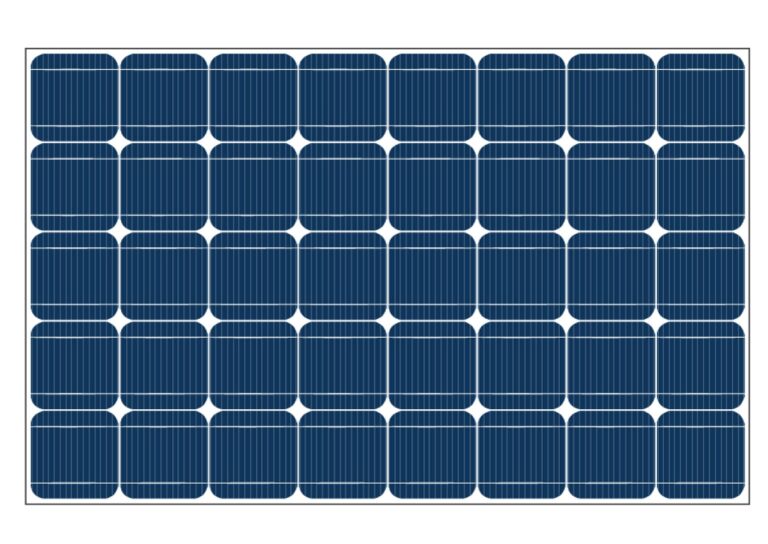
Panel type makes a noticeable difference. Monocrystalline panels are generally the most efficient option for small outdoor lights, converting more sunlight into energy than polycrystalline panels of the same size. US Department of Energy research on silicon cells puts single-crystal cells above 25 percent efficiency in the lab against roughly 20 percent for multicrystalline, and that margin is what counts when the panel is small and the light is poor. Some thin-film panels handle diffuse light reasonably well, but their lower overall efficiency usually means they need more surface area to match.
Size matters too. A larger panel collects more energy, which helps in areas with limited sunlight. Lights with small, built-in panels on top of the fixture can struggle in shade, while models with bigger panels, or panels that can be tilted toward the sun, tend to perform better.
The most effective solution for shady gardens is a split design, where the solar panel connects to the light with a cable. This lets you place the light exactly where it’s needed, such as under a tree or along a shaded path, while the panel sits a short distance away in a sunnier spot, like the edge of a lawn, on a fence post or on a roof edge. Angling the panel toward the south in the Northern Hemisphere usually maximizes exposure.
Batteries That Hold Up in Low Light
Battery choice has a big impact on reliability. Many basic solar lights use nickel-metal hydride batteries, which are inexpensive but can lose capacity over time and may struggle in cold weather. Lithium-ion and lithium iron phosphate batteries typically offer higher capacity, better performance in cooler temperatures and more charge cycles before needing replacement.
Capacity, usually shown in milliamp hours, indicates how much energy a battery can store. A higher-capacity battery gives lights more reserve, helping them keep running after cloudy days or partial charging. In shady gardens, that reserve can mean the difference between lights lasting all evening or fading out soon after dark.
Replaceable batteries are worth looking for. Even good batteries wear out over time, and being able to swap them extends the life of the fixture. Brands such as Suntino Solar Lights design fixtures with durability in mind, which is especially valuable in shaded spots where lights work harder to store enough energy for the night.
Picking the Right Lumens and Light Modes
Brighter isn’t always better in shade. Higher lumen output uses more energy, so a very bright light with limited charge may run for only a short time. For most garden paths and borders, 50 to 200 lumens provides enough light to guide the way and highlight edges. Accent lighting for plants or features often falls in a similar range, while security lighting needs much higher output and usually more sun.
Light modes help balance brightness and run time. Many solar lights offer a low setting for steady ambient light and a high setting for brighter output. Motion-activated modes are particularly useful in shade, since the light stays dim or off until someone approaches, then brightens when needed, conserving energy through the night.
Color temperature affects the mood of the garden. Warm white light, around 2700 to 3000 Kelvin, creates a soft, inviting look that suits most planting, while cooler light can feel harsher. Choosing warm light at modest brightness often looks better and runs longer than bright, cool light in shaded areas.
Setup and Maintenance for Shady Spots
Before placing lights permanently, observe your garden throughout the day. Note which areas get the most sun, how long it lasts and how shade shifts in different seasons. Testing a light in a few spots for several days can reveal which location works best before committing.
Give new lights a strong start. Many manufacturers recommend charging lights in full sun for a day or two, with the light switched off, before first use. This helps batteries reach full capacity and can improve long-term performance.
Keep panels clean and clear. Dust, pollen, leaves and bird droppings reduce how much light reaches the panel, so wipe panels regularly with a damp cloth. Trim branches that shade panels where possible, and check that nothing, such as growing plants, has crept in front of them over time.
Look for weather-resistant construction as well. Lights rated at IP65 or higher are designed to withstand rain and dust, which helps them last longer outdoors.
Start by mapping the sunniest spots in your garden and the areas that need light most. Choose split-panel lights for the shadiest places, match lumens to each area’s purpose and use motion or dimming modes to stretch available energy. With thoughtful placement and the right specifications, solar lights can brighten even the shadiest corners reliably.
