



Introduction
Mold is a problem that many people underestimate until it becomes visible and difficult to control. It often begins quietly, growing in hidden areas where moisture is present, and gradually spreads across surfaces. By the time it is noticed, it may already be affecting indoor air quality and the condition of a building. Understanding how mold develops and how to manage it effectively is essential for maintaining a safe and healthy environment.
Mold spores exist naturally in the air, both indoors and outdoors. They are microscopic and can enter a home through windows, doors, or ventilation systems. The issue begins when these spores land on damp surfaces and start to grow. Moisture is the key factor that allows mold to thrive, which is why it is commonly found in areas with high humidity or water damage.
What is Mold and Why Does It Grow
Mold is a type of fungus that feeds on organic materials such as wood, paper, and fabric. It reproduces by releasing spores into the air, which then settle on surfaces and grow when conditions are favorable. These conditions usually include warmth, moisture, and a lack of proper ventilation.
Common areas where mold grows include bathrooms, kitchens, basements, and attics. These spaces often have higher levels of humidity and less airflow, making them ideal environments for mold development. Even everyday activities like cooking, showering, and drying clothes indoors can increase moisture levels and contribute to mold growth.
Common Causes of Mold Growth
Understanding the causes of mold is the first step in preventing it. In most cases, mold growth is linked to moisture problems that have not been properly addressed. Water leaks are one of the most common causes. A leaking pipe, roof, or appliance can create damp conditions that allow mold to grow over time.
Another major cause is poor ventilation. When air does not circulate properly, moisture becomes trapped inside, especially in enclosed spaces. Condensation is also a contributing factor, as it forms when warm air comes into contact with cooler surfaces. Over time, this moisture buildup can lead to mold.
Flooding and water damage can cause severe mold issues if not handled quickly. Even after the visible water is removed, moisture can remain in walls, floors, and furniture, creating a perfect environment for mold growth.
Signs You May Have a Mold Problem
Mold is not always easy to detect, especially when it grows in hidden areas. However, there are several warning signs that can indicate its presence. One of the most common signs is a musty or damp smell that does not go away. This odor often suggests mold growth behind walls or under flooring.
Visible discoloration on walls, ceilings, or other surfaces is another clear sign. Mold can appear in different colors, including black, green, white, or even orange. Peeling paint, warped surfaces, and persistent dampness can also indicate a problem.
In some cases, people may experience allergy-like symptoms such as sneezing, coughing, or itchy eyes when indoors. These symptoms can be linked to mold exposure, especially if they improve when leaving the affected area.
Health Effects of Mold Exposure
Mold can have a significant impact on health, particularly for individuals who are sensitive to allergens. Exposure to mold spores can cause respiratory issues, skin irritation, and other allergic reactions. People with asthma or weakened immune systems may experience more severe symptoms.
Long-term exposure to mold can reduce indoor air quality and lead to ongoing health concerns. While not all types of mold are dangerous, some produce substances that can be harmful when inhaled over time. This makes it important to address mold problems as soon as they are detected.
Why Timely Mold Removal is Important
Delaying action when mold is present can lead to more serious problems. Mold spreads quickly, especially in damp conditions, and can damage building materials over time. What starts as a small patch can grow into a widespread issue that requires extensive repairs.
Timely mold removal helps prevent structural damage and reduces health risks. It also makes the cleanup process easier and more cost-effective. Ignoring mold does not make it go away; it only allows it to grow and become more difficult to manage.
DIY Mold Removal: When It is Suitable
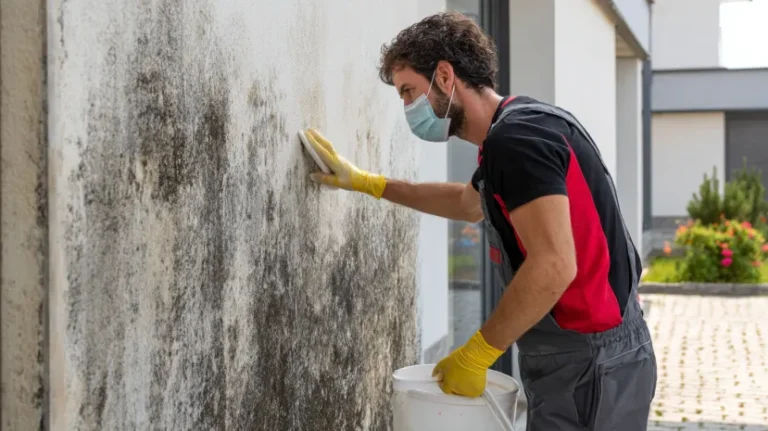
For small areas of mold, it is often possible to handle the cleanup without professional help. Basic cleaning methods can be effective for surface mold on non-porous materials. It is important to wear protective gear such as gloves and a mask to avoid exposure during the process.
The affected area should be cleaned thoroughly using appropriate solutions, and it must be dried completely afterward. Moisture control is essential, as mold can return if the underlying issue is not resolved.
However, DIY methods have limitations. They may not be effective for mold that has spread to porous materials or hidden areas. In such cases, more advanced techniques are required.
When Professional Help is Necessary
There are situations where professional services are the best option. Large areas of mold, recurring problems, or mold in ventilation systems require specialized equipment and expertise. Professionals can identify the source of the problem and ensure that it is fully addressed.
They also follow safety procedures to prevent the spread of mold spores during the cleanup process. This is especially important in cases where mold has affected multiple areas or caused significant damage.
The Process of Mold Removal
The process of mold removal involves several steps to ensure that the problem is handled effectively. It usually begins with a detailed inspection to determine the extent of the mold and identify the source of moisture.
The next step is containment, which prevents mold spores from spreading to other areas. Air filtration systems may be used to improve air quality during the cleanup.
Cleaning and removal follow, where mold is eliminated from surfaces and contaminated materials are disposed of if necessary. After this, the area is dried and dehumidified to remove any remaining moisture. Finally, repairs and restoration are carried out to return the space to its original condition.
Preventing Mold Growth in the Future
Prevention is the most effective way to deal with mold. Controlling moisture is the key to stopping mold before it starts. Keeping indoor humidity levels low, fixing leaks promptly, and ensuring proper ventilation can significantly reduce the risk.
Regular maintenance plays an important role in prevention. Checking for signs of water damage, cleaning gutters, and maintaining proper drainage around a property can help keep moisture under control.
Simple habits such as using exhaust fans, opening windows, and allowing air to circulate can make a big difference. These measures help create an environment where mold cannot easily grow.
Importance of Ventilation and Airflow
Proper ventilation is essential for maintaining a healthy indoor environment. Without it, moisture can build up and create conditions that support mold growth. Areas like bathrooms and kitchens benefit greatly from good airflow, as they are often exposed to high levels of humidity.
Installing ventilation systems or using fans can help remove excess moisture from the air. In some cases, dehumidifiers may be needed to maintain the right balance. Improving airflow throughout a building reduces the chances of mold developing in hidden spaces.
Materials Most Vulnerable to Mold
Certain materials are more likely to be affected by mold because they absorb moisture easily. These include wood, drywall, carpets, and fabrics. Once mold penetrates these materials, it can be difficult to remove completely.
Non-porous materials such as glass and metal are less susceptible, but they can still support mold growth on their surfaces if not cleaned regularly. Understanding which materials are at risk can help in taking preventive measures.
Common Myths About Mold
There are many misconceptions about mold that can lead to ineffective solutions. One common myth is that mold can be completely eliminated using household cleaners alone. While these may remove surface mold, they do not always address deeper growth.
Another misconception is that mold only affects old buildings. In reality, mold can develop in any structure where moisture is present. Even new homes can experience mold problems if ventilation and moisture control are not properly managed.
Long-Term Benefits of Proper Mold Management
Taking mold seriously and addressing it properly offers several long-term benefits. A mold-free environment improves indoor air quality and reduces the risk of health issues. It also helps maintain the structural integrity of a building.
Proper mold removal and prevention can save money by reducing the need for major repairs. It also creates a more comfortable and safe living space. Investing time and effort in managing mold is a practical step toward protecting both property and health.
Conclusion
Mold is a persistent issue that requires attention and proactive management. By understanding its causes, recognizing early signs, and taking timely action, it is possible to control and prevent its growth. Whether dealing with a minor problem or a more serious situation, the key is to address both the visible mold and the underlying moisture issues.
Effective mold removal combined with consistent preventive measures ensures a healthier and more secure environment. With the right approach, mold can be managed successfully, allowing you to maintain a clean and comfortable space for the long term.
