



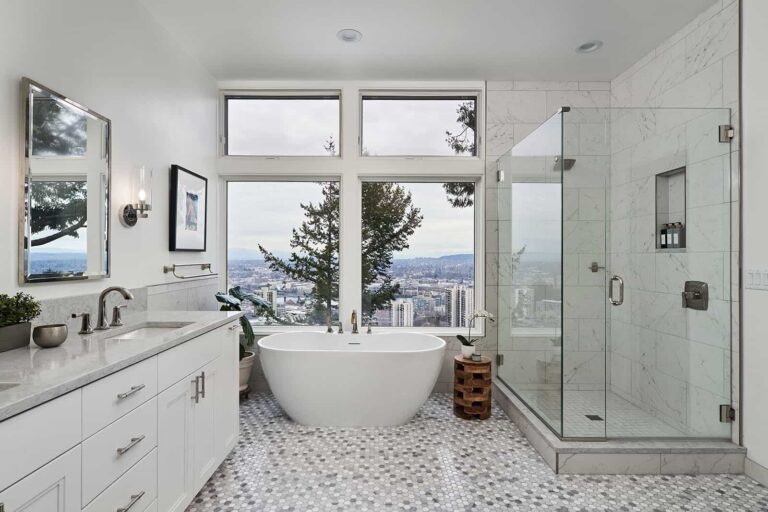
Bathroom remodeling is one of the most impactful home improvement projects, both in terms of comfort and property value. A well-designed bathroom enhances daily living, improves functionality, and increases the overall aesthetic appeal of a home. Whether the goal is to modernize an outdated space, improve efficiency, fix structural issues, or increase resale value, a carefully planned renovation can deliver significant long-term benefits. Understanding Bathroom remodeling in detail helps homeowners make informed decisions that balance design, durability, and budget.Unlike simple cosmetic updates, bathroom remodeling often involves plumbing, electrical work, waterproofing, and structural adjustments. Because of this complexity, proper planning and execution are essential to ensure safety, functionality, and long-lasting results.
Understanding the Purpose of Bathroom Remodeling
Bathroom remodeling serves multiple purposes beyond improving appearance. One of the primary reasons homeowners choose to renovate is to enhance functionality. Older bathrooms may have inefficient layouts, insufficient storage, or outdated fixtures that reduce convenience.Another key purpose is addressing damage or wear. Over time, bathrooms are exposed to constant moisture, which can lead to mold growth, tile deterioration, plumbing leaks, and water damage. Remodeling allows these issues to be corrected at their source.Energy and water efficiency are also important factors. Modern fixtures such as low-flow toilets, water-saving faucets, and energy-efficient lighting help reduce utility costs while supporting environmental sustainability.Finally, remodeling significantly increases property value. A modern, well-designed bathroom is one of the most attractive features for potential buyers, making it a smart investment.
Planning and Design Considerations
Successful bathroom remodeling begins with detailed planning. The design phase determines how the space will function, look, and feel. One of the first considerations is layout. The placement of key fixtures such as the toilet, sink, shower, and bathtub must be carefully evaluated to maximize space and usability.Space optimization is especially important in small bathrooms. Efficient design can make even compact areas feel open and comfortable. This may include wall-mounted fixtures, sliding doors, or built-in storage solutions.Lighting design is another critical element. A combination of ambient, task, and accent lighting improves visibility and enhances atmosphere. Natural light, when available, should also be incorporated into the design.Material selection is equally important. Flooring, wall tiles, countertops, and cabinetry must be chosen based on durability, moisture resistance, and style preferences.At this stage, Bathroom remodeling planning ensures that all elements work together cohesively before construction begins.
Plumbing and Electrical Upgrades
Bathroom remodeling often requires updates to plumbing and electrical systems. Plumbing upgrades may include replacing old pipes, installing new fixtures, or reconfiguring water lines to accommodate a new layout.Proper plumbing is essential to prevent leaks, water pressure issues, and drainage problems. Modern plumbing materials also offer improved durability and corrosion resistance compared to older systems.Electrical upgrades are equally important for safety and functionality. Bathrooms require specialized wiring due to the presence of moisture. Ground fault circuit interrupters (GFCIs) are commonly installed to prevent electrical hazards.Additional electrical features may include heated flooring, ventilation fans, and upgraded lighting systems. Proper installation ensures compliance with safety standards and improves overall comfort.
Waterproofing and Moisture Control
One of the most critical aspects of bathroom remodeling is waterproofing. Bathrooms are constantly exposed to water, making moisture control essential for preventing structural damage.Waterproof membranes are typically installed under tiles and around shower areas to prevent water penetration. Proper sealing around joints, corners, and fixtures further enhances protection.Ventilation also plays a key role in moisture control. Exhaust fans help remove humidity from the air, reducing the risk of mold and mildew growth.Without proper waterproofing, even high-quality materials can fail over time. This makes it a foundational step in any successful Bathroom remodeling project.
Flooring and Wall Material Selection
Choosing the right materials for flooring and walls is essential for durability and aesthetics. Bathroom flooring must be water-resistant, slip-resistant, and easy to clean.Common flooring options include ceramic tiles, porcelain tiles, natural stone, and vinyl. Each material offers different benefits in terms of durability, cost, and design flexibility.Wall materials should also be moisture-resistant. Tiles are the most popular choice, but waterproof paint and panels are also used in modern designs.Color schemes and textures play a significant role in creating the desired atmosphere. Light colors can make small bathrooms feel larger, while darker tones create a more luxurious appearance.
Fixture Selection and Installation
Fixtures are the functional and visual focal points of any bathroom. These include sinks, toilets, bathtubs, showers, faucets, and storage units.Modern fixtures are designed to be both efficient and stylish. Water-saving toilets and faucets help reduce consumption, while sleek designs improve visual appeal.Shower systems have also evolved, with options such as rainfall showers, handheld units, and multi-jet systems offering enhanced comfort.Proper installation is crucial to ensure long-term performance. Incorrect installation can lead to leaks, poor drainage, or reduced efficiency.
Storage and Space Optimization
Effective storage is an essential part of bathroom design. Without proper storage solutions, bathrooms can quickly become cluttered and disorganized.Built-in cabinets, floating shelves, and vanity units help maximize space while maintaining a clean appearance. Vertical storage is particularly useful in smaller bathrooms.Smart design ensures that storage does not interfere with movement or functionality. Every inch of space should be used efficiently without creating a cramped environment.
Common Mistakes in Bathroom Remodeling
One of the most common mistakes is poor planning. Rushing into construction without a clear design often leads to layout issues and unnecessary costs.Another frequent mistake is underestimating the importance of waterproofing. Skipping or improperly installing waterproof layers can result in long-term water damage.Choosing low-quality materials to save costs can also lead to premature wear and frequent repairs. Bathrooms require durable, moisture-resistant materials to withstand daily use.Ignoring ventilation is another critical error. Without proper airflow, moisture builds up, leading to mold growth and unpleasant odors.Avoiding these mistakes is essential for a successful Bathroom remodeling outcome.
Cost Factors and Budget Planning
Bathroom remodeling costs vary widely depending on size, materials, and complexity. Basic renovations may involve fixture replacement and cosmetic updates, while full remodels include structural changes and system upgrades.Labor costs typically represent a significant portion of the budget, especially when plumbing or electrical work is involved. High-end materials and custom designs also increase overall expenses.Proper budgeting requires balancing quality and affordability. Investing in durable materials and professional installation often reduces long-term maintenance costs.Unexpected issues such as hidden water damage or outdated wiring can also affect the budget, making contingency planning important.
Benefits of Bathroom Remodeling
Bathroom remodeling offers several advantages beyond aesthetics. One of the most significant benefits is improved functionality. A well-designed bathroom enhances daily routines and provides greater comfort.Energy and water efficiency improvements help reduce utility bills over time. Modern fixtures are designed to use fewer resources without sacrificing performance.Increased property value is another major benefit. A renovated bathroom is one of the top features that attract potential buyers and improve resale potential.Health benefits also play a role. Proper ventilation and moisture control reduce the risk of mold, improving indoor air quality.
Sustainability and Modern Trends
Sustainability is becoming increasingly important in bathroom design. Eco-friendly materials, water-saving fixtures, and energy-efficient lighting are now standard features in modern renovations.Smart technology is also transforming bathrooms. Digital showers, motion-sensor faucets, and automated lighting systems improve convenience and efficiency.Minimalist design trends focus on clean lines, open space, and functional simplicity. These designs create calming environments while maximizing usability.These innovations are shaping the future of Bathroom remodeling, making spaces more efficient, comfortable, and environmentally responsible.
Long-Term Maintenance After Remodeling
After a bathroom remodel is completed, regular maintenance is essential to preserve its condition. Cleaning tiles, checking for leaks, and maintaining ventilation systems help prevent long-term damage.Seals around sinks, bathtubs, and showers should be inspected periodically to ensure they remain watertight. Early detection of issues helps prevent costly repairs.Proper maintenance extends the lifespan of fixtures and materials, ensuring that the investment in remodeling continues to deliver value for years.
Conclusion: Creating Functional and Modern Bathroom Spaces
Bathroom remodeling is a comprehensive process that combines design, engineering, and functionality. When properly planned and executed, it transforms outdated spaces into modern, efficient, and visually appealing environments.From layout planning and material selection to waterproofing and fixture installation, every step plays a critical role in the final outcome. Avoiding common mistakes and focusing on quality ensures long-term success.Ultimately, Bathroom remodeling is not just about appearance—it is about improving comfort, efficiency, and property value while creating a space that meets modern lifestyle needs.
