



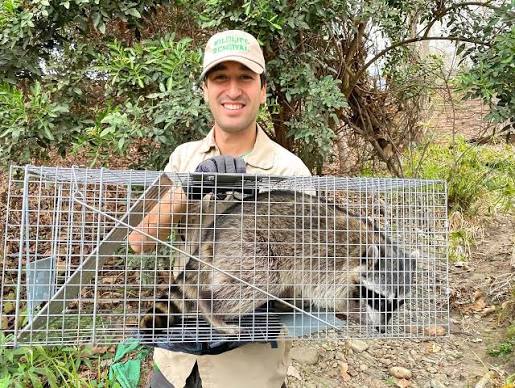
There’s a particular kind of unease that settles in when you hear scratching in the attic at 2 a.m. or spot a raccoon casually strolling through your backyard in broad daylight. For Palm Beach County homeowners, these encounters are more common than most people realize. Warm weather, dense foliage, and proximity to natural habitats make South Florida an inviting place for wildlife—sometimes a little too inviting.
The good news? You don’t have to live with it. Whether it’s a family of squirrels nesting in your soffits or an iguana digging up your garden beds, there are proven ways to address the problem quickly, safely, and without unnecessary stress. This post walks through what’s actually happening when wildlife moves onto your property, why DIY fixes often fall short, and what a thoughtful, humane approach to resolving these issues looks like.
Why Is Wildlife Increasingly Showing Up in Palm Beach Neighborhoods?
Palm Beach County’s rapid development has pushed further into what used to be untouched natural land. As construction expands, animals that once had acres of forest and wetland to roam are finding themselves with fewer places to go. Attics, crawl spaces, sheds, and dense landscaping start to look like reasonable substitutes for their shrinking natural habitats.
Raccoons and opossums are drawn to easy food sources like unsecured trash cans and pet food left outdoors. Squirrels and rats seek warm, dry shelter, which makes attics and wall voids especially appealing during cooler months. Iguanas, an increasingly common sight throughout South Florida, burrow into yards and can cause serious damage to seawalls, sidewalks, and landscaping.
None of this is a reflection of anything homeowners are doing wrong. It’s simply a byproduct of living in a beautiful, biodiverse region. But once wildlife settles in, it rarely leaves on its own.
What Happens When Wildlife Problems Are Left Unaddressed?
It’s tempting to assume a noise in the attic or a hole in the yard is a minor annoyance that will resolve itself. Unfortunately, that’s rarely the case. Animals that find a comfortable, resource-rich environment tend to stay and, in many instances, multiply.
Left unchecked, wildlife intrusions can lead to:
- Structural damage from gnawing, digging, and nesting activity
- Health risks associated with droppings, parasites, and the potential spread of disease
- Costly repairs to insulation, wiring, and roofing materials
- Ongoing disruption as animals establish territory and return season after season
What starts as a single squirrel finding its way into a soffit can quickly become a full colony nesting in the insulation. Waiting rarely makes the problem smaller.
Why DIY Wildlife Removal Often Backfires
Search online and you’ll find plenty of advice about home remedies for wildlife issues: mothballs, ammonia-soaked rags, ultrasonic repellents, or simply sealing up an entry point and hoping for the best. Most of these methods provide, at best, temporary relief.
The trouble is that removing an animal without understanding its behavior often makes things worse. Seal an entry point while an animal is still inside, and you risk trapping it—leading to odor, further destruction, or worse. Attempt to relocate wildlife without the proper permits or equipment, and you may not only fail to solve the problem, you could also run into legal complications, since many species are protected under Florida wildlife regulations.
Effective wildlife management requires more than eliminating the immediate nuisance. It means identifying every entry point, understanding the species’ habits, and putting preventive measures in place so the same issue doesn’t resurface a few weeks later.
What Does a Professional, Humane Approach to Wildlife Removal Look Like?
Animal Control that safeguards your home, your family, and your peace of mind is more accessible than most homeowners assume, offering fast, humane solutions the moment wildlife becomes a disruption. Rather than relying on guesswork, a professional approach starts with a full property inspection to identify how animals are getting in and why they’ve chosen to stay.
From there, technicians use humane trapping and exclusion methods suited to the specific species involved, whether that’s a raccoon in the attic, rats in the walls, or an iguana burrowing near a pool deck. Once the animals are safely removed, the real work of prevention begins. This typically includes sealing entry points, reinforcing vulnerable areas like vents and soffits, and offering guidance on reducing the factors that attracted wildlife in the first place, such as accessible food sources or overgrown vegetation.
This kind of thorough, methodical approach is what separates a lasting solution from a temporary patch. It protects your home not just for today, but for the seasons ahead.
A Cleaner, Safer Property Starts With One Decision
Wildlife intrusions have a way of feeling overwhelming, especially when they involve your home, your family, or your peace of mind. But the solution doesn’t have to be complicated. With the right expertise, humane methods, and a focus on long-term prevention, your property can go back to being the calm, comfortable space it’s meant to be.
If scratching sounds, unexpected burrows, or surprise backyard visitors have become part of your routine, it’s worth taking that first step toward a resolution. A safer, wildlife-free property is closer than you think.
