



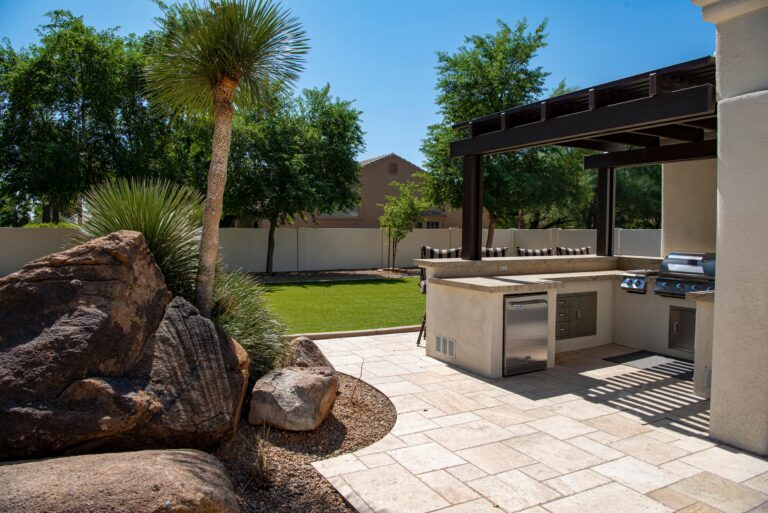
Introduction
Outdoor surfaces play a major role in shaping the overall appearance, functionality, and value of any property, and choosing the right material for these spaces is essential for long-term performance and visual appeal. Whether it is a driveway, patio, walkway, garden path, or poolside area, the surface must be strong enough to handle daily use while also enhancing the overall landscape design. One of the most popular and reliable choices for outdoor surfacing is paver installation, which offers a combination of durability, design flexibility, and long-lasting aesthetic value that few other materials can match.
Pavers are individual units made from concrete, brick, or natural stone that are arranged in specific patterns to create strong and visually appealing surfaces. Unlike solid concrete slabs, pavers are installed piece by piece over a prepared base, allowing for flexibility, easy repairs, and excellent load distribution. This makes them a preferred choice for both residential and commercial projects where strength and style are equally important.
Understanding the Basics of Paver Systems
Paver systems are designed using interlocking units that work together to form a stable surface capable of withstanding heavy loads and environmental stress. The strength of a paver surface does not come from a single slab but from the combination of properly prepared base layers, edge restraints, joint sand, and the individual paver units themselves. This layered structure allows the surface to remain flexible while still maintaining high durability.
A properly executed paver installation begins with careful planning and design selection. This includes choosing the right material type, color combinations, and pattern layout that complements the surrounding architecture and landscape. The most common materials include concrete pavers, clay bricks, and natural stone, each offering its own unique texture, appearance, and performance characteristics.
One of the primary reasons homeowners and property developers prefer pavers is their exceptional durability. Unlike poured concrete, which can crack due to ground movement or temperature changes, pavers are individually placed units that can shift slightly without breaking the overall surface structure. This flexibility significantly reduces the risk of permanent damage and extends the lifespan of the installation.
Another major advantage is design versatility. Pavers are available in a wide range of shapes, colors, textures, and patterns, allowing for highly customized outdoor designs. Whether creating a modern geometric layout or a natural stone-inspired pathway, paver installation provides endless creative possibilities that enhance curb appeal and property value.
Maintenance is also relatively simple compared to other surfacing options. If a paver becomes damaged or stained, it can be individually replaced without disturbing the surrounding area. This makes repairs cost-effective and straightforward, unlike concrete surfaces that often require large-scale patching or complete replacement.
Site Preparation and Groundwork Process
The success of any paver project depends heavily on proper site preparation, which forms the foundation for long-term stability and performance. The process begins with excavation, where the existing soil and vegetation are removed to create a suitable base depth. This step is crucial because improper excavation can lead to uneven settling or surface instability over time.
After excavation, a compacted base layer of crushed stone or gravel is installed to provide strength and drainage support. This layer is carefully leveled and compacted to ensure a solid foundation that can handle weight and environmental pressure. A layer of sand is then added on top of the base to create a smooth bedding surface for placing the pavers.
Proper edge restraints are also installed during this stage to hold the pavers in place and prevent lateral movement. Without secure edging, the entire surface can gradually shift over time, affecting both appearance and structural integrity.
Step-by-Step Installation Process
Once the base preparation is complete, the actual installation of pavers begins. Each paver is carefully placed according to the selected pattern, ensuring consistent spacing and alignment throughout the surface. Precision is important during this stage because even small misalignments can affect the overall appearance and structural performance.After all pavers are laid, joint sand is spread over the surface and swept into the gaps between the units. This sand locks the pavers together, improves stability, and prevents weed growth or insect intrusion. The surface is then compacted using specialized equipment to ensure all pavers are firmly seated into the bedding layer.
Finally, the surface is cleaned and inspected for alignment, and additional sand may be applied if necessary to fill any remaining gaps. The result is a strong, visually appealing outdoor surface that is ready for use after a short settling period.One of the most attractive features of paver systems is the wide range of design possibilities they offer. Homeowners can choose from classic running bond patterns, herringbone designs, circular layouts, or custom geometric arrangements depending on their aesthetic preferences. Color combinations can also be mixed to create borders, highlights, or decorative accents that enhance the overall visual impact.
Natural stone pavers offer a more rustic and organic appearance, while concrete pavers provide a modern and uniform look. Brick pavers are often chosen for traditional designs that emphasize timeless charm and durability. With professional planning, paver installation can completely transform outdoor spaces into visually stunning environments that complement architectural styles.
Maintenance and Long-Term Care
Maintaining a paver surface is relatively simple but important for preserving its appearance and functionality. Regular sweeping helps remove dirt, leaves, and debris that may accumulate between joints. Occasional washing with water or mild cleaning solutions helps maintain surface cleanliness and prevent staining.Over time, joint sand may settle or wash away, so periodic replenishment is necessary to maintain stability and prevent weed growth. Sealing the pavers can also enhance color vibrancy, protect against stains, and improve resistance to weather conditions.
One of the biggest advantages of pavers is that damaged units can be easily replaced without affecting the surrounding structure, making long-term maintenance efficient and cost-effective.Improper installation can significantly reduce the lifespan and performance of a paver surface. One of the most common mistakes is inadequate base preparation, which can lead to sinking, shifting, or uneven surfaces over time. Skipping proper compaction or using low-quality base materials can also compromise structural stability.
Another frequent issue is poor alignment during installation, which affects both aesthetics and performance. Incorrect joint spacing or insufficient edge restraints can also cause movement and instability. Hiring experienced professionals ensures that every stage of paver installation is completed with precision and adherence to industry standards.
Conclusion
The cost of paver projects depends on several factors including material type, design complexity, site conditions, and labor requirements. While pavers may have a higher initial cost compared to basic concrete, their durability, repairability, and aesthetic appeal make them a valuable long-term investment.
Because individual units can be replaced and surfaces last for many years with minimal maintenance, overall lifecycle costs are often lower than other paving options. Additionally, well-designed paver surfaces can significantly enhance property value and curb appeal, making them a smart investment for homeowners and developers alike.
Paver systems offer a powerful combination of strength, flexibility, and design versatility that makes them one of the most reliable choices for outdoor surfacing. From driveways and patios to walkways and garden spaces, they provide long-lasting performance while enhancing visual appeal and property value.With proper planning, professional installation, and routine maintenance, paver installation can deliver durable and attractive outdoor environments that remain functional and beautiful for many years. Their adaptability, ease of repair, and wide range of design options make them an ideal solution for creating elegant and resilient outdoor spaces.
