



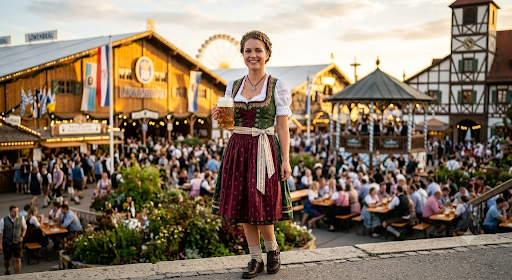
For women researching authentic Bavarian heritage wear in 2026, quality traditional german dirndl options represent the strict heritage-focused foundation of the category. Traditional construction preserves specific characteristics that authentic Bavarian tradition established across centuries of cultural continuity — regional construction details, historical color palettes, traditional embroidery motifs, and specific proportional characteristics that experienced Bavarian heritage wearers recognize immediately. Understanding what distinguishes strict traditional construction from modern interpretations or costume alternatives helps ensure your dirndl selection connects to genuine heritage rather than generic Alpine dress approximation.
The traditional dirndl category serves specific buyer profiles particularly well. Buyers with documented Bavarian family heritage often find strict traditional construction more meaningful than contemporary interpretations. Attendees of specifically traditional Bavarian events including formal ceremonies, multi-generational family gatherings, and heritage-focused cultural celebrations benefit from having appropriate traditional construction rather than modern alternatives that may read as insufficiently formal for specific traditional contexts. Understanding when strict traditional construction suits your specific needs helps guide appropriate selection.
The Historical Foundation of Traditional Dirndl
The dirndl emerged from 19th-century rural Bavarian and Alpine workwear, evolving from practical peasant dress worn for daily agricultural labor into recognized traditional cultural expression through the mid-19th century “romanticization” of Alpine peasant culture by urban Bavarian society. The specific construction characteristics that define traditional dirndl reflect this historical development — practical peasant workwear origins refined through traditional aristocratic and bourgeois adoption of Alpine cultural aesthetic.
Contemporary strict traditional construction preserves these specific historical characteristics. The four-piece foundational construction (bodice, blouse, skirt, apron), specific silhouette proportions reflecting historical development, traditional color combinations, and characteristic embroidery motifs all preserve historical Bavarian tradition. Modern interpretations that update these characteristics move away from strict traditional construction toward contemporary aesthetic even while maintaining authentic construction principles.
Understanding this historical context helps position traditional dirndl selection meaningfully. Strict traditional pieces connect directly to specific historical Bavarian cultural expression across centuries of continuity. Modern interpretations respect this foundation while updating for contemporary preferences. Both represent authentic engagement with Bavarian tradition, but the specific character distinguishing traditional from modern reflects meaningful choice about how you engage with historical heritage.
Regional Traditional Variations
Traditional dirndl construction varies significantly across specific Bavarian regions, with each area historically developing distinct traditions reflecting local craft, agricultural, and cultural context. Miesbacher Tracht from southern Upper Bavaria features distinctive dark colors with rich embroidered decoration and characteristic silhouettes that experienced heritage wearers recognize immediately as regional heritage.
Tegernseer Tracht from around the Tegernsee lake area features distinct construction and decoration reflecting that region’s specific heritage. Werdenfelser Tracht from the Werdenfels region near the Zugspitze incorporates specific Alpine mountain culture elements. Berchtesgadener Tracht from Berchtesgaden reflects yet another distinct area heritage.
Chiemgauer Tracht from the Chiemsee region carries particular character. Trachten from the Allgäu region in western Bavaria features distinct construction. Each regional variation carries authentic heritage that buyers with specific family regional connections can honor through appropriate selection.
Understanding which specific Bavarian regional tradition connects to your heritage helps make thoughtful selection matching authentic ancestral connections. Buyers without specific regional heritage can select based on aesthetic preferences among various Bavarian traditions, understanding that each represents authentic heritage worth honoring appropriately.
Traditional Colors and Their Cultural Meaning
Traditional dirndl colors carry cultural meaning within Bavarian heritage beyond pure aesthetic preferences. Deep forest green represents Alpine mountain heritage particularly strong in specific regional traditions. Rich burgundy and darker reds reflect historical Bavarian cultural expression. Elegant black provides sophisticated character particularly suited to formal contexts. Royal blue represents specific Bavarian heritage variations.
Traditional color combinations often reflect specific regional preferences. Some Bavarian regions historically favored green-and-red combinations; others emphasized specific green-and-black configurations. Contemporary traditional dirndl construction preserves these regional color traditions in ways connecting to specific heritage.
Understanding traditional color meaning helps select pieces connecting to specific heritage contexts. Formal occasions traditionally called for specific color choices reflecting elevated formality. Certain colors traditionally suited younger or older wearers. Regional preferences often reflected local production capabilities and specific cultural preferences developing across centuries.
Softer traditional colors including specific muted greens, subtle blues, and refined burgundies existed within traditional context alongside bolder color combinations. Not all traditional dirndl featured pronounced bright colors — traditional heritage encompassed diverse color preferences reflecting regional and personal variations within authentic construction principles.
Traditional Construction Details
Strict traditional dirndl construction features specific detailing that authentic Bavarian tradition established. The bodice construction includes traditional lacing patterns, specific button configurations reflecting regional traditions, and structured shaping that provides proper silhouette without demanding uncomfortable compression. Quality traditional construction supports comfortable extended wear across long traditional occasions.
Traditional embroidery motifs including specific Alpine flowers (Edelweiss, Enzian, Alpenrose), traditional geometric patterns reflecting regional craft heritage, and specific decorative elements characteristic of particular Bavarian areas appear on quality traditional pieces. These motifs carry meaning within Bavarian tradition beyond pure decoration.
Traditional apron construction with specific patterns, colors, and detailing reflecting regional heritage completes the traditional character. The apron knot positioning follows universal Alpine convention (left = single, right = taken, front = virgin or undecided, back = widow or waitress).
Traditional blouse construction with specific collar styles, sleeve variations, and detailing appropriate to regional heritage provides upper body foundation. Traditional puff sleeves particularly reflect historical Bavarian character. White cotton or specific lace construction with traditional detailing complete authentic traditional character.
Where Traditional Dirndl Belongs
Traditional dirndl works appropriately at specifically traditional Bavarian occasions where strict heritage character matches the context. Munich Oktoberfest itself welcomes traditional construction as appropriate authentic engagement with the tradition. Regional Bavarian festivals throughout summer and autumn accommodate traditional pieces particularly well.
Bavarian weddings represent contexts where traditional construction matches elevated ceremonial character. Traditional wedding attire for female family members and guests typically features specific traditional configurations. Multi-generational family Bavarian gatherings similarly benefit from traditional construction across generations.
Formal cultural ceremonies including specific religious events, traditional festivals emphasizing heritage character, and elder-generation family gatherings expecting classical traditional wear all suit traditional construction. Buyers attending these contexts benefit from having appropriate traditional pieces rather than trying to elevate modern interpretations for strict traditional contexts.
Coordinating With Bavarian Lederhosen
Traditional dirndl coordinates with traditional bavarian lederhosen for couples attending Bavarian events together. Understanding how to coordinate couples’ traditional Bavarian ensembles ensures both partners photograph well and read as thoughtfully coordinated in authentic heritage terms.
Color coordination between traditional dirndl and traditional lederhosen creates visual harmony across couple photographs. Traditional Bavarian color coordination follows specific principles: warm earthy tones (brown lederhosen with warm-toned dirndl); complementary rather than matching colors; overall coordination reflecting authentic tradition.
Formality level coordination ensures both partners match specific occasion contexts. Formal Bavarian events call for formal configurations across both partners; casual festival attendance accommodates more casual configurations. Traditional occasions with strict heritage focus deserve traditional construction across both partners rather than modern interpretations that may read as insufficiently formal.
Regional coordination for buyers with specific Bavarian family heritage may include matching regional traditions across both partners. Miesbacher Tracht dirndl paired with Miesbacher regional lederhosen configuration creates unified regional heritage expression particularly meaningful for wearers with documented family connections to specific regions.
Materials for Traditional Construction
Traditional dirndl construction uses specific materials reflecting authentic heritage. Cotton represents the most common material for accessible traditional construction, providing appropriate character and comfortable wearability. Traditional Bavarian cotton production supported dirndl construction for generations, and quality contemporary cotton preserves this material tradition.
Linen construction offers premium alternatives with distinct traditional character. Traditional Bavarian linen carries specific heritage association developed across centuries of production. Wool construction, particularly appropriate for cooler weather and specific regional traditions, provides substantial warmth and heritage character.
Silk construction represents premium options for elevated formal traditional contexts. Traditional silk dirndl from established Bavarian workshops delivers pieces reading immediately as heritage-grade to experienced Bavarian heritage wearers.
Wool and silk blend construction serves specific traditional contexts requiring both warmth and elegance. These premium blend constructions preserve authentic traditional character while providing practical advantages for specific occasion contexts.
Sizing and Fit for Traditional Character
Traditional dirndl fit follows specific characteristics reflecting historical Bavarian tradition. The bodice should fit snugly enough to provide proper structured shaping, with traditional construction supporting classical Bavarian silhouette. The waist positioning sits at the natural waist, higher than contemporary trouser positioning.
Bust and hip measurements combined with careful reference to specific retailer size charts ensures appropriate sizing. Not all sizes translate consistently across retailers, and traditional construction may fit somewhat differently than modern interpretations reflecting specific construction principles.
Length selection depends on wearer height and specific traditional occasion contexts. Midi length (below the knee) represents the classical traditional length working across most Bavarian cultural contexts. Long dirndl (ankle-length) suits maximum formal traditional occasions. Mini traditional dirndl exists but reads as less traditionally formal than longer variations.
Care and Multi-Generational Preservation
Quality traditional dirndl construction lasts 20 to 40 years or more with proper care, becoming meaningful multi-generational family heritage across successive generations. Care approaches vary by material — cotton and linen accommodate home washing; wool requires professional cleaning; silk requires similar careful handling.
Storage between wearings preserves construction across long-term ownership. Hanging on appropriate hangers, cedar storage against moth damage, and climate-controlled conditions preserve traditional pieces across decades of family use. Multi-generational Bavarian families often maintain traditional dirndl pieces passed down through successive generations, creating meaningful family heritage connecting grandmothers to granddaughters.
Traditional Bavarian care approaches include periodic professional inspection and refresh for premium pieces expected to serve across multiple generations. These preservation approaches maintain traditional pieces in condition supporting continued heritage engagement across family generations rather than treating them as disposable seasonal fashion.
Frequently Asked Questions
Is traditional dirndl right for my first Bavarian purchase? Depends on your intended occasions. For strict traditional events including Bavarian weddings and formal ceremonies, yes. For casual festival attendance, modern interpretations may serve equally well.
How much should traditional construction cost? $200 to $400 for accessible traditional construction; $400 to $700 for mid-range premium traditional; $700 and higher for heritage-grade traditional construction.
Can I identify strict traditional pieces from photographs? Certain elements including specific silhouette characteristics, traditional detailing, and characteristic color palettes indicate traditional construction. Modern interpretations feature updated characteristics.
Should I focus on specific regional heritage? For buyers with documented family regional heritage, yes. For buyers without specific connections, general Bavarian traditional styling works appropriately.
Do traditional and modern dirndl require different care? Care approaches follow the material rather than the specific traditional versus modern distinction. Cotton, wool, and silk require respectively appropriate approaches regardless of styling.
Can traditional dirndl work at casual events? Yes. Traditional construction works across formality levels; it doesn’t require formal contexts to be appropriate.
For women researching traditional german dirndl options in 2026, understanding the specific characteristics of strict traditional construction helps ensure your selection connects to authentic Bavarian heritage rather than modern interpretation or costume approximation. Quality traditional construction reflecting specific regional traditions, appropriate materials matching your context needs, and complete ensemble coordination with proper blouse, stockings, footwear, and jewelry — potentially alongside coordinated bavarian lederhosen for couples’ Bavarian attendance — creates authentic traditional ensembles that photograph beautifully and honor genuine centuries-long cultural continuity. Whether attending Munich Oktoberfest, Bavarian weddings, formal cultural ceremonies, or family heritage gatherings, quality traditional dirndl construction combined with thoughtful coordination and appropriate care delivers heritage engagement worthy of authentic Bavarian tradition across generations of continued family cultural continuity.
