



Natural light plays a crucial role in improving the comfort, aesthetics, and energy efficiency of any indoor space. One of the most effective ways to introduce daylight into a home or commercial building is through skylights. These architectural features not only brighten interiors but also create a sense of openness and connection with the outdoors. However, like any structural component exposed to weather and time, skylights can deteriorate and lose their effectiveness. When issues such as leaks, cracks, or poor insulation arise, skylight replacement becomes an essential step in maintaining both functionality and visual appeal.
Skylights are installed directly into the roof, making them more vulnerable to environmental conditions than standard windows. Continuous exposure to sunlight, rain, wind, and temperature fluctuations can weaken materials over time. As a result, even high-quality skylights may eventually require replacement to ensure they continue to perform efficiently and safely. Understanding the process, benefits, and considerations of skylight replacement can help property owners make informed decisions and protect their investment.
Understanding the Importance of Skylights in Modern Architecture
Skylights serve multiple purposes beyond simply allowing light into a room. They enhance interior spaces by creating a brighter and more inviting atmosphere, reducing the need for artificial lighting during the day. This not only improves visual comfort but also contributes to energy savings.
In addition to lighting benefits, skylights can improve ventilation when designed to open and allow fresh air to circulate. This helps regulate indoor temperature and reduces moisture buildup, which can lead to mold and mildew. Properly installed skylights also add aesthetic value, making spaces feel larger and more visually appealing.
However, these benefits depend on the condition and quality of the skylight. When a skylight becomes damaged or outdated, it can compromise insulation, allow water intrusion, and reduce overall efficiency. This is why timely skylight replacement is critical for maintaining the benefits they provide.
Common Signs That Indicate the Need for Replacement
Recognizing the early signs of skylight damage can prevent more serious issues from developing. One of the most obvious indicators is water leakage. If water stains appear on ceilings or walls around the skylight, it may indicate a failing seal or structural damage.
Condensation between glass panes is another common issue, often caused by broken seals that allow moisture to enter. This not only affects visibility but also reduces insulation efficiency. Cracks or discoloration in the skylight material can also signal deterioration due to prolonged exposure to sunlight and weather conditions.
Drafts or noticeable temperature changes near the skylight may indicate poor insulation or gaps in the installation. These issues can lead to increased energy consumption as heating and cooling systems work harder to maintain indoor comfort.
If any of these signs are present, it is advisable to consider skylight replacement rather than temporary repairs, as replacement provides a more reliable and long-term solution.
Causes of Skylight Damage Over Time
Several factors contribute to the deterioration of skylights. One of the primary causes is prolonged exposure to ultraviolet rays, which can weaken materials and cause discoloration. Over time, seals and flashing components may degrade, leading to leaks and reduced performance.
Improper installation is another major factor. If a skylight is not installed correctly, it may develop gaps or weak points that allow water and air to penetrate. Poor-quality materials can also accelerate wear and tear, resulting in frequent maintenance issues.
Weather conditions such as heavy rain, hail, and strong winds can damage skylights, especially if they are not designed to withstand extreme environments. Additionally, debris accumulation on the roof can put pressure on skylights and affect their structural integrity.
Understanding these causes helps property owners take preventive measures and choose high-quality materials during skylight replacement to ensure long-term durability.
The Skylight Replacement Process Explained
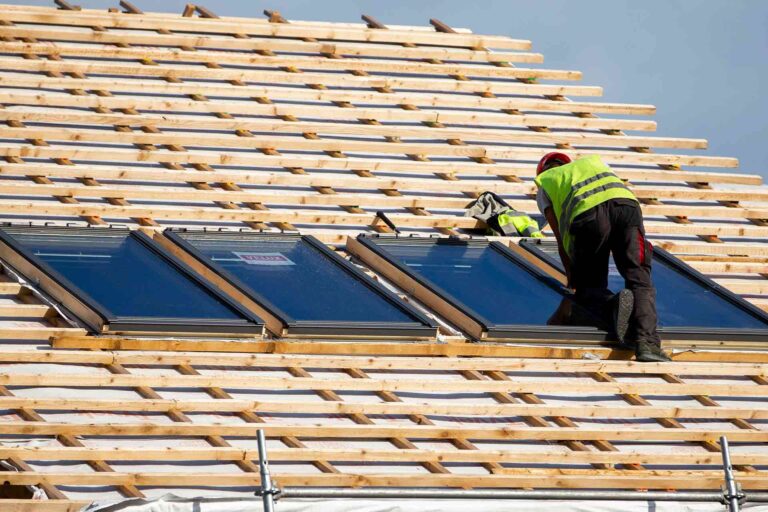
Skylight replacement involves a series of steps designed to ensure proper installation and optimal performance. The process begins with a detailed inspection of the existing skylight and surrounding roof structure. This helps identify underlying issues such as water damage, structural weaknesses, or insulation problems.
Once the assessment is complete, the old skylight is carefully removed. This step requires precision to avoid damaging the surrounding roofing materials. After removal, the area is cleaned and prepared for the new installation.
The new skylight is then installed, ensuring proper alignment and secure fitting. Flashing components are added to create a watertight seal, preventing leaks and ensuring durability. Insulation is also checked and improved if necessary to enhance energy efficiency.
Finally, the installation is tested to ensure there are no leaks or airflow issues. Proper sealing and finishing ensure that the skylight integrates seamlessly with the roof structure.
Modern Materials and Design Options
Advancements in technology have significantly improved the quality and performance of modern skylights. Today’s skylights are available in a variety of materials and designs that offer enhanced durability and energy efficiency.
Glass skylights with double or triple glazing provide excellent insulation and reduce heat transfer. Low-emissivity coatings help control heat gain and loss, improving overall energy efficiency. Acrylic and polycarbonate skylights are lightweight and impact-resistant, making them suitable for areas prone to harsh weather conditions.
Ventilated skylights are another popular option, allowing users to control airflow and improve indoor air quality. Smart skylights equipped with sensors and remote controls offer advanced features such as automatic closing during rain or temperature regulation.
Choosing the right material and design during skylight replacement ensures long-term performance and aligns with the specific needs of the building.
Energy Efficiency and Indoor Comfort Benefits
One of the major advantages of replacing old skylights is improved energy efficiency. Modern skylights are designed to minimize heat loss during winter and reduce heat gain during summer. This helps maintain consistent indoor temperatures and reduces reliance on heating and cooling systems.
By allowing natural light to enter, skylights reduce the need for artificial lighting during the day, leading to lower electricity consumption. Improved insulation also prevents drafts and temperature fluctuations, enhancing overall comfort.
In many ways, skylight performance is closely linked to overall indoor climate management. Just as hvac services use advanced systems to regulate temperature and air quality, well-designed skylights contribute to a balanced indoor environment by supporting natural lighting and ventilation.
Preventive Maintenance After Replacement
After completing skylight replacement, regular maintenance is essential to ensure long-term performance. Cleaning the glass surface helps maintain clarity and maximize light entry. It is also important to inspect seals and flashing periodically to detect any early signs of wear.
Keeping the surrounding roof area free from debris prevents unnecessary pressure and potential damage. Regular inspections help identify minor issues before they develop into major problems.
Preventive maintenance not only extends the lifespan of the skylight but also ensures that it continues to perform efficiently. Just as routine care is important for other building systems supported by hvac services use, skylights also require consistent attention to maintain their effectiveness.
Cost Considerations and Long-Term Value
The cost of skylight replacement can vary depending on factors such as size, material, design, and installation complexity. While the initial investment may seem significant, the long-term benefits often outweigh the cost.
Improved energy efficiency leads to lower utility bills, while enhanced aesthetics increase property value. Additionally, replacing an old or damaged skylight prevents costly repairs associated with water damage and structural issues.Investing in high-quality materials and professional installation ensures durability and reduces the need for frequent maintenance. Over time, this results in significant cost savings and improved overall performance.
Importance of Professional Installation
Skylight replacement is a specialized task that requires technical expertise and precision. Improper installation can lead to leaks, poor insulation, and reduced lifespan. Professional installers have the experience and tools needed to ensure accurate fitting and secure sealing.
They also understand building codes and safety requirements, ensuring that the installation meets industry standards. Professional expertise minimizes risks and ensures that the skylight performs as intended.
Choosing experienced professionals not only guarantees quality workmanship but also provides peace of mind, knowing that the installation is reliable and long-lasting.
Conclusion
Skylights are a valuable addition to any building, offering natural light, improved ventilation, and enhanced aesthetic appeal. However, their performance depends on proper maintenance and timely replacement when issues arise. Skylight replacement is an essential step in maintaining energy efficiency, preventing water damage, and ensuring long-term durability.
By understanding the signs of damage, causes of deterioration, and benefits of modern materials, property owners can make informed decisions about replacing their skylights. With professional installation and regular maintenance, skylights can continue to provide comfort, efficiency, and beauty for many years.
Ultimately, investing in skylight replacement is not just about fixing a problem but about enhancing the overall quality and functionality of a living or working space.
