



Hard water is a common issue in many households across the world, affecting everything from daily cleaning routines to the lifespan of appliances. While it may not always be immediately visible, its long-term effects can be costly and frustrating. Understanding how to deal with it effectively is essential for maintaining a healthy home environment, improving water efficiency, and reducing maintenance expenses.
This article provides a comprehensive overview of hard water, its causes, its effects, and practical strategies to manage it efficiently. By the end, you will have a clear understanding of how to improve water quality in your home using proven methods and smart prevention techniques.
Understanding Hard Water and Its Causes
Hard water is water that contains high levels of dissolved minerals, primarily calcium and magnesium. These minerals are naturally picked up as water travels through soil and rock formations before reaching household supply systems.
Although these minerals are not harmful to human health in most cases, they can create significant problems in everyday household use. The higher the mineral concentration, the harder the water becomes.
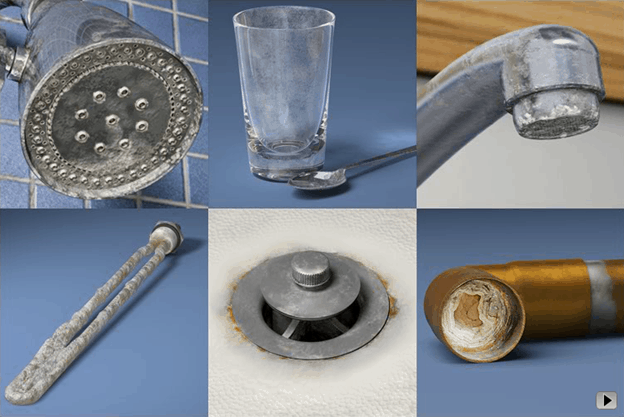
One of the most noticeable signs of hard water is the formation of limescale. This chalky white residue builds up on faucets, showerheads, kettles, and inside plumbing systems. Over time, this buildup restricts water flow and reduces the efficiency of appliances such as washing machines and water heaters.
Another common indicator is soap inefficiency. Hard water prevents soap from lathering properly, leading to increased usage of cleaning products and leaving behind soap scum on skin, dishes, and surfaces.
Common Problems Caused by Hard Water
The impact of hard water goes far beyond minor inconvenience. It can affect multiple aspects of home maintenance and daily living.
One major issue is the reduced lifespan of household appliances. Washing machines, dishwashers, and geysers are particularly vulnerable to mineral buildup. This buildup forces appliances to work harder, increasing energy consumption and eventually leading to breakdowns.
Skin and hair health can also be affected. Hard water often leaves a residue that causes dryness, irritation, and dull-looking hair. Many people notice that shampoos and soaps are less effective, resulting in a persistent feeling of residue even after washing.
Plumbing systems are another area of concern. Over time, mineral deposits accumulate inside pipes, narrowing the passage for water flow. This can lead to reduced water pressure and expensive plumbing repairs if not addressed early.
In cleaning tasks, hard water reduces the effectiveness of detergents, requiring more product usage and still often leaving streaks or spots on dishes and surfaces.
Effective Ways to Improve Water Quality at Home
There are several approaches to managing hard water effectively, ranging from simple household practices to advanced treatment systems. The right solution depends on the severity of the problem and household needs.
One of the most common solutions is the use of water softeners. These systems work by replacing calcium and magnesium ions with sodium or potassium ions, effectively reducing water hardness. Water softeners are highly efficient for long-term use and are widely used in homes experiencing severe hard water issues.
Another method involves installing filtration systems designed specifically to target mineral content. While not all filters fully soften water, they can significantly reduce impurities and improve overall water quality.
Regular maintenance of appliances is also important. Descaling machines such as kettles, showers, and washing machines helps reduce buildup and extend their lifespan. Natural solutions like vinegar or citric acid are often used for this purpose.
In addition, switching to liquid detergents instead of powder-based ones can improve cleaning efficiency in hard water conditions. Liquid formulas dissolve more easily and interact better with mineral-heavy water.
Households can also consider magnetic or electronic descalers. These devices claim to alter the behavior of minerals in water, reducing their ability to form scale deposits. While results may vary, some users report noticeable improvements.
Long-Term Strategies for Water Management
For sustainable improvement, it is important to adopt long-term water management strategies rather than relying only on short-term fixes.
Routine plumbing inspections can help identify early signs of mineral buildup before they become major issues. Early intervention reduces repair costs and prevents system damage.
Installing a whole-house water treatment system is another long-term investment that ensures consistent water quality throughout the home. These systems treat water at the entry point, ensuring all outlets receive softened or filtered water.
Another effective approach is adopting preventive cleaning habits. Wiping down wet surfaces after use, regularly cleaning showerheads, and descaling appliances every few months can significantly reduce buildup.
Incorporating proper maintenance routines not only improves efficiency but also helps reduce household expenses over time.
Environmental and Economic Considerations
While treating hard water improves comfort and efficiency, it is also important to consider environmental and economic impacts.Water softeners that use salt-based regeneration systems may increase sodium levels in wastewater, which can have environmental implications if not properly managed. In such cases, alternative salt-free systems may be considered.
From an economic perspective, investing in water treatment systems can initially seem costly, but it often results in long-term savings. Reduced energy consumption, fewer appliance repairs, and lower detergent usage all contribute to cost efficiency over time.Additionally, improved water quality can enhance overall quality of life, making daily tasks more efficient and less frustrating.
Choosing the Right Approach for Your Needs
Selecting the best solution depends on several factors, including water hardness level, household size, budget, and maintenance preferences.For mild hard water issues, simple filtration and regular descaling may be sufficient. For moderate to severe cases, installing a dedicated softening system is usually more effective.
It is also important to assess water quality regularly to ensure that the chosen method is working effectively. Professional water testing can provide accurate information about mineral levels and help guide decision-making.In many cases, combining multiple methods yields the best results. For example, using a water softener along with regular appliance maintenance can significantly improve long-term outcomes.
Practical Tips for Everyday Use
Small changes in daily habits can make a noticeable difference in managing hard water effects.
Using vinegar-based cleaning solutions helps remove mineral deposits naturally without harsh chemicals. Installing showerhead filters can improve bathing comfort by reducing direct exposure to hard minerals.
Choosing appropriate cleaning products designed for hard water conditions can also improve efficiency and reduce waste. Many modern detergents are specifically formulated to perform better in mineral-rich water.Being consistent with maintenance routines ensures that problems do not escalate over time.
Conclusion
Hard water is a widespread issue that can affect household efficiency, comfort, and long-term maintenance costs. While it cannot always be avoided, it can certainly be managed effectively with the right strategies and tools.
Understanding the nature of the problem is the first step toward finding effective solutions. From water softeners and filtration systems to simple household practices, there are multiple ways to improve water quality and reduce the negative effects of mineral buildup.
When applied consistently, these methods can significantly enhance appliance lifespan, improve cleaning efficiency, and create a more comfortable living environment. With the right approach, managing water quality becomes not just possible but highly effective over time.
Ultimately, adopting reliable hard water solutions ensures long-term protection for your home and helps maintain better water performance across all daily activities.
