



Introduction
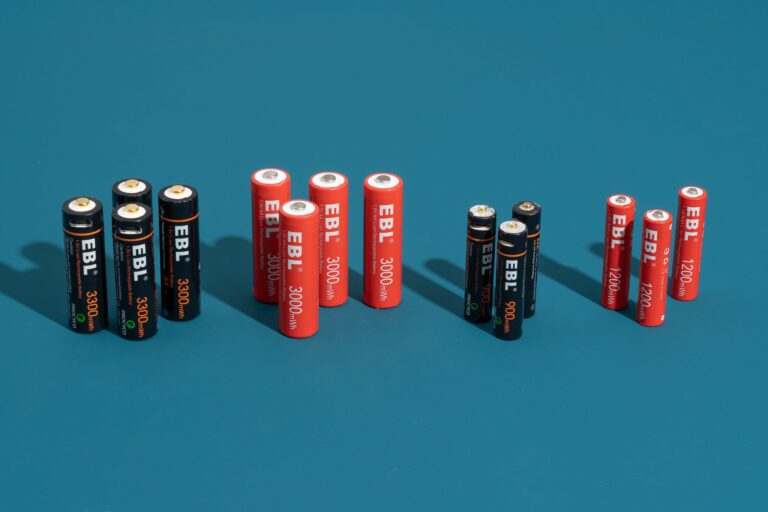
Rechargeable AA batteries are widely used in everyday electronics such as wireless controllers, cameras, flashlights, toys, and smart home devices. Many users switch to rechargeable options to reduce long-term cost and minimize disposable battery waste.
However, in real-world use, “longest lasting rechargeable aa batteries” does not depend on capacity alone. Factors like discharge rate, device power demand, and battery chemistry all influence how long a battery actually performs before needing a recharge.
This guide explains how rechargeable AA batteries behave in practical usage and what actually determines long-lasting performance.
Why Rechargeable AA Batteries Are Commonly Used
Rechargeable AA batteries are popular mainly because they can be reused hundreds of times.
From general usage patterns:
- They reduce repeated battery replacement costs
- They lower household battery waste
- They are suitable for frequently used electronics
In practice, rechargeable batteries are most beneficial in devices that are used regularly rather than occasionally.
What Actually Makes a Rechargeable AA Battery “Long Lasting”
Battery longevity is not a single factor—it depends on multiple real-world variables:
1. Capacity (mAh rating)
- Higher mAh usually means longer runtime per charge
- Typical NiMH AA batteries range from ~1800 mAh to 2800 mAh
However, in real usage, higher capacity does not always mean better performance if the battery has higher self-discharge.
When asking what is the longest lasting AA battery, many users focus on mAh ratings, but this is only part of the picture.
2. Self-Discharge Rate
This is often overlooked in basic guides.
- Standard NiMH batteries lose charge faster when stored
- Low self-discharge (LSD) NiMH batteries retain power for months
In practical use, LSD batteries perform better in devices that are not used daily.
3. Charge Cycle Life
Rechargeable AA batteries are rated for:
- ~300 to 1000+ charge cycles (varies by quality)
In real usage, cycle life depends heavily on:
- charger quality
- heat exposure during charging
- depth of discharge cycles
Main Types of Rechargeable AA Batteries
1. NiMH (Nickel-Metal Hydride) – Most Common
This is the most widely used rechargeable AA type.
Real-world behavior:
- Stable performance in most household devices
- Slight voltage drop under load (around 1.2V nominal)
- Works well in both low and high drain devices
Low self-discharge NiMH versions are generally preferred for everyday use.
2. Rechargeable Lithium AA
Less common and more specialized.
Real-world behavior:
- Higher and more stable voltage output (~1.5V regulated in many models)
- Better performance in high-drain devices
- Requires compatible charging systems depending on model
These are used more in professional or performance-sensitive setups.
Which Rechargeable AA Batteries Last the Longest in Practice
From typical real-world usage patterns (not lab testing):
- Low Self-Discharge NiMH batteries often provide the best balance of:
- runtime consistency
- recharge lifespan
- device compatibility
They are commonly used in:
- gaming controllers
- wireless keyboards and mice
- flashlights
- household electronics
In practice, they perform more consistently across mixed-use environments compared to standard high-capacity NiMH cells that lose charge faster during storage.
Which AA Battery Lasts the Longest Overall?
This depends on how “longest” is defined:
- Single-use batteries (non-rechargeable):
Lithium AA batteries generally last the longest per use cycle due to stable voltage output. - Rechargeable batteries:
High-quality NiMH batteries offer the best long-term value due to repeated reuse.
So in practical terms:
- Lithium = longest single run
- NiMH rechargeable = longest long-term usage value
Real-World Device Behavior (Important Insight)
Battery performance varies significantly depending on device type:
- High-drain devices (cameras, flashlights):
Battery drains faster regardless of chemistry - Medium-drain devices (controllers, toys):
NiMH performs well and consistently - Low-drain devices (clocks, remotes):
Self-discharge becomes more important than capacity
This is why “best battery” changes depending on usage pattern rather than specification alone.
Best Use Cases for Rechargeable AA Batteries
Rechargeable AA batteries are most effective in:
- Gaming controllers
- Digital cameras (moderate use)
- Flashlights
- Wireless input devices
- Smart home sensors
They are less ideal for:
- emergency devices left unused for long periods
- ultra-low-drain devices where self-discharge matters more than usage
Charging and Usage Considerations
Real-world performance is strongly affected by charging behavior:
- Using mismatched or low-quality chargers can reduce cycle life
- Heat during charging can degrade capacity over time
- Partial cycling (not fully discharging repeatedly) often improves lifespan
Device compatibility also matters, especially for higher-voltage lithium rechargeable AA variants.
Common Mistakes Users Make
- Choosing only high mAh without checking self-discharge
- Mixing different battery ages in the same device
- Using non-optimized chargers
- Expecting identical performance across all AA battery types
These issues often lead to inconsistent runtime rather than battery failure.
Conclusion
The longest lasting rechargeable AA batteries are not defined by a single specification like mAh alone. In real-world usage, performance depends on chemistry, self-discharge rate, device load, and charging habits.
Low self-discharge NiMH batteries generally offer the best balance of reliability, reuse cycles, and everyday compatibility. Lithium AA batteries may last longer per use cycle, but they serve a different performance category.
Ultimately, the best choice depends on how and where the batteries are used—not just their label or capacity rating.
