



Introduction: Two Legendary Himalayan Journeys in One Big Dream
Nepal is one of the few countries in the world where two completely different trekking experiences can be combined in one long mountain journey. Many trekkers now want to combine the famous Everest Base Camp Trek with the remote and wild Manaslu Circuit Trek because both routes give different feelings, landscapes, cultures, and adventure levels. One side shows the legendary Everest region with busy tea houses, Sherpa villages, and close views of the world’s highest mountain. The other side shows untouched valleys, ancient Buddhist culture, suspension bridges, and peaceful mountain trails far from heavy crowds.
Planning both treks together is not only about fitness. It also needs smart itinerary planning, budget management, permits, weather understanding, acclimatization, and choosing the right trekking company. Many travelers make mistakes by booking quickly without checking guide experience, safety systems, altitude knowledge, and local reputation. That is why understanding how to choose the best company for an Everest trek becomes very important before starting such a long Himalayan adventure. A reliable trekking company can help with permits, domestic flights, transportation, acclimatization days, emergency support, and experienced local guides who understand mountain conditions.
This complete guide explains how to combine both treks in one journey, the best trekking seasons, route planning, difficulty comparison, packing advice, cost estimation, altitude preparation, and important travel tips. Whether you are a first-time high-altitude trekker or an experienced mountain traveler, this guide will help you plan a safer, smarter, and more unforgettable Himalayan experience.
Overview of Everest Base Camp Trek (EBC Trek)
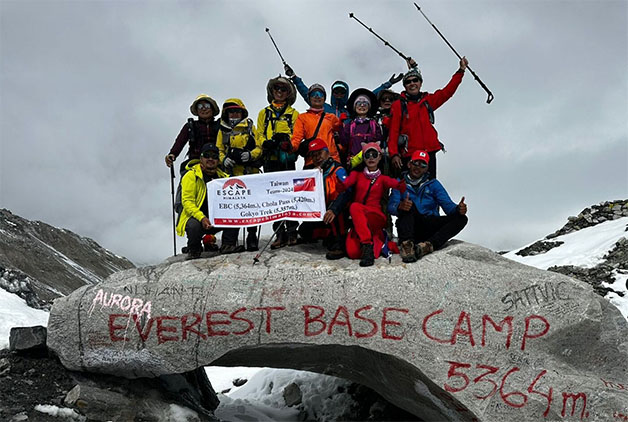
The Everest Base Camp Trek is the most famous trekking journey in Nepal and one of the world’s greatest mountain adventures. This trek takes travelers deep into the Khumbu region, home of the Sherpa people and the mighty Mount Everest. The journey usually begins with a dramatic flight to Lukla, followed by trekking through famous villages like Namche Bazaar, Tengboche, Dingboche, and Gorakshep before reaching Everest Base Camp at 5,364 meters.
What makes the Everest Base Camp Trek special is not only Mount Everest itself. Trekkers experience giant glaciers, hanging icefalls, colorful monasteries, Sherpa culture, suspension bridges, and some of the world’s most breathtaking Himalayan scenery. Every day brings closer views of famous peaks including Ama Dablam, Lhotse, Nuptse, Thamserku, and Everest itself. The sunrise view from Kala Patthar is often considered one of the best mountain panoramas on Earth.
The Everest region has more developed trekking infrastructure compared to remote routes like Manaslu. Tea houses, bakeries, internet services, gear shops, and trekking facilities are easier to find. This makes the route comfortable for many international trekkers. Still, the high altitude remains serious, and acclimatization days are necessary for safety.
The trek is physically demanding but achievable for many healthy travelers with preparation and patience. Spring and autumn are the most popular seasons because of stable weather and clear mountain views.
For adventure seekers, photographers, and mountain lovers, the Everest Base Camp Trek remains one of the most iconic trekking experiences in the Himalayas and continues attracting trekkers from around the world every year.
Overview of Manaslu Circuit Trek
The Manaslu Circuit Trek is one of Nepal’s most beautiful and less crowded trekking adventures. This trail circles around Mount Manaslu, the eighth-highest mountain in the world, and passes through remote villages, deep river valleys, dense forests, alpine landscapes, and high mountain passes. The trek usually starts from Machha Khola and slowly climbs through traditional Gurung and Tibetan-influenced villages before crossing the famous Larke Pass at 5,106 meters. Unlike crowded trekking routes in Nepal, Manaslu still feels raw, peaceful, and naturally preserved.
One of the biggest reasons trekkers love the Manaslu Circuit Trek is the authentic mountain culture. Villages like Samagaun and Samdo still protect ancient Buddhist traditions, monasteries, prayer walls, and Himalayan lifestyles that are difficult to see in more commercial trekking areas. The trail also changes dramatically every few days. Lower sections are green and humid, while upper regions become dry, snowy, and dramatic near the Tibetan border.
The trek is considered moderately difficult to challenge because of its long walking days and high altitude. Proper acclimatization is very important. Trekkers also need special restricted-area permits and must travel with a registered guide. Tea houses on the route are improving every year, but facilities remain simpler than Everest region lodges.
For travelers looking for fewer crowds, stronger cultural experiences, and a more remote Himalayan feeling, the Manaslu Circuit Trek is one of the best trekking choices in Nepal. It gives adventure, mountain beauty, and peaceful trails together in one unforgettable journey.
Why Combine Everest Base Camp Trek and Manaslu Circuit Trek Together
Combining both treks is not an easy idea, but for experienced trekkers it becomes the ultimate Himalayan journey.
Everest gives world-famous views and a structured trekking system. Manaslu gives raw adventure and an off-the-beaten-path feeling.
When you do both in one trip, you see two different sides of the Nepal Himalayas:
- Everest region = developed, iconic, busy trails
- Manaslu region = remote, cultural, wild nature
But the important point is time and fitness. You need a minimum of 4–5 weeks for both, properly. Otherwise, rushing will make the experience weak.
Route Planning and Real Logistics Strategy
If someone plans both treks together, logical sequence matters a lot.
Most common plan:
- Start with the Manaslu Circuit Trek (harder, remote)
- Then go on the Everest Base Camp Trek (more organized, easier mentally after Manaslu)
Why this order? Because Manaslu prepares your body and mind for high-altitude isolation. After that Everest felt more manageable.
Rest days between treks in Kathmandu are also important for recovery.
Internal travel:
- Kathmandu to Soti Khola (road)
- Kathmandu to Lukla (flight)
Time management must be strict; weather delays in Lukla are common.
Permits and Cost Breakdown (Important Part)
Both treks need different permits:
Everest Base Camp Trek Permits:
- Sagarmatha National Park Permit
- Khumbu Pasang Lhamu Permit
Manaslu Circuit Trek Permits:
- Manaslu Restricted Area Permit
- Manaslu Conservation Area Permit
- Annapurna Conservation Area Permit (final section)
Cost idea (approx):
- Everest trek: $1200–$1800 depending on service
- Manaslu trek: $1000–$1600 depending on guide and season
When combining both, the budget increases because guides, permits, food, and accommodation all add together.
Best Season for Both Treks
The best time always matters for safety and views.
Best seasons:
- Spring (March to May)
- Autumn (September to November)
In these months:
- Sky clear
- Temperature stable
- Mountain views are sharp.
- Trails are safer.
Winter is very cold, and high passes may close in Manaslu. The monsoon is risky because of landslides and flight delays.
How to Choose the Best Company for an Everest Trek
Choosing the right trekking company is the most important decision when planning your Everest adventure, so how to choose the best company for an Everest trek becomes a key question for every trekker. Many trekkers fail because they select cheap but unprofessional operators.
A good company should have:
Licensed guides with high-altitude experience
Clear safety protocol and emergency support
Transparent cost breakdown (no hidden fees)
Real local knowledge of the Everest region
Good reviews from past trekkers
Also check if the company provides an oxygen support plan, satellite communication, and a proper acclimatization schedule.
One important thing is the guide’s attitude. A friendly and experienced guide can change the whole trek experience from hard to unforgettable.
Safety, Altitude, and Real Trekking Risks
Altitude sickness is a real danger in both treks.
Symptoms include:
- Headache
- Nausea
- Dizziness
- Loss of appetite
The rule is simple: “climb high, sleep low, and walk slowly.”
Drink water often, avoid alcohol, and listen to body signals.
In Manaslu, remoteness makes evacuation difficult. On Everest, weather can delay flights and rescue.
So insurance with helicopter evacuation is a must.
Accommodation and Food Experience
Both treks use the tea house system.
Rooms are simple:
- Twin bed
- Shared bathroom
- Limited electricity
Food options:
- Dal bhat (most energy food)
- Noodles, pasta, soups
- Tea, coffee, eggs
In the Everest region, the menu is wider. In Manaslu, more basic but fresh.
Food costs increase as altitude increases because everything is carried by porters or yaks.
Trek Preparation Tips (Real-Experience Based)
Before trekking:
- Train for at least 1–2 months of walking practice.
- Do cardio exercises like running or cycling.
- Practice hiking with a backpack
- Check boots and gear properly.
Mental preparation is also important. The mountain is not a race; it is a patience game.
Recommended Local Trekking Company Experience
One trusted option many trekkers talk about is Escape Himalaya Trek. They are known in the Nepal trekking community for organizing guided Himalayan journeys with a focus on safety and real mountain experience. Their team usually handles logistics, permits, and route planning in a simple way so trekkers can focus on journeys only. Many travelers appreciate their local guide support and flexible itinerary planning. For the Everest Base Camp Trek and Manaslu Circuit Trek combination, having such experienced local teams can reduce stress and improve safety in high-altitude conditions.
(around 75-word paragraph included)
Strong CTA: Start Your Himalayan Journey
If you are really thinking about combining Everest Base Camp Trek and Manaslu Circuit Trek, then the best step is to start planning early. Talk with experienced trekking planners, check your fitness level, and design a route according to season.
The Himalayas are not just a destination; they are a transformation. One right decision can make a lifetime memory.
FAQ: Common Questions About Everest and Manaslu Treks
1. Can I do the Everest and Manaslu treks together?
Yes, it’s possible, but it needs 4–5 weeks minimum and a good fitness level.
2. Which trek is harder, Everest or Manaslu?
Manaslu is more remote and slightly harder due to fewer facilities.
3. Do I need a guide for both treks?
Yes, especially Manaslu, which is a restricted area, so a guide is mandatory.
4. What is the total cost for both treks?
Around $2500 to $3500 depending on services and season.
5. Is altitude sickness common?
Yes, in both treks, so acclimatization is very important.
Conclusion
Planning the Everest Base Camp Trek and the Manaslu Circuit Trek together is not just a normal travel idea; it is a big Himalayan life experience. Both routes give different emotions; one is the world-famous Everest region with structured trails and busy tea houses, and the other is the wild Manaslu region, where silence and raw nature dominate everything. If someone combines both, they will see the full picture of the Nepal Himalaya, from the modern trekking system to untouched mountain culture. But success depends on proper planning, good company, correct season, and physical preparation. Do not rush, because altitude and weather can change the whole journey. Always respect mountains and local culture. Use experienced guides and keep safety first. This combination trek is not easy, but it gives me a memory that stays forever. For serious trekkers, this is the ultimate challenge and also the ultimate reward from the Himalayas, where every step teaches patience, strength, and a deep connection with nature.
Contact to Escape Himalaya
You Can contact Escape Himalaya by using our email address info@escapehimalaya.com We are available at any time. Escape Himalaya will deliver you price-worthy services, professional guides, trained staff, and assistance on every trip.
