



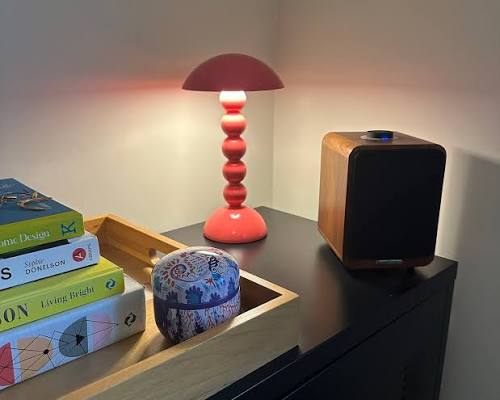
Rechargeable lamps have become an essential lighting solution for homes, workplaces, outdoor spaces, and emergency preparedness kits. With increasing demand for energy efficiency, portability, and reliable backup lighting during power outages, selecting the right rechargeable lamp requires careful consideration. This guide explains the key factors to help you choose the best rechargeable lamp for your specific needs.
Understand Your Primary Use Case
Before comparing models, it is important to define how and where you plan to use the lamp. Rechargeable lamps are designed for different purposes, including:
- Indoor home lighting during blackouts
- Outdoor activities such as camping or backyard entertaining
- Task lighting for reading, studying, or working
- Emergency preparedness for storms and power interruptions
A lamp intended for camping, for example, should prioritise portability and battery life, while a desk lamp may focus more on brightness control and ergonomic design.
Consider Brightness and Light Output
Brightness is one of the most important features when selecting a rechargeable lamp. It is typically measured in lumens. Higher lumens indicate brighter light, but the ideal level depends on usage:
- 100–300 lumens: suitable for ambient or bedside lighting
- 300–600 lumens: ideal for reading or small room lighting
- 600+ lumens: appropriate for outdoor use or large areas
Many modern lamps offer adjustable brightness settings, allowing users to customise lighting based on the situation. This flexibility is particularly useful in multi-purpose environments.
Evaluate Battery Life and Charging Options
Battery performance is a key factor in determining how practical a rechargeable lamp is for everyday use. In the UK, where power cuts can occasionally occur due to severe weather conditions such as storms or high winds, a longer battery life offers added dependability and peace of mind.
When assessing battery features, consider:
- Runtime on a full charge (ideally 6–20 hours depending on usage)
- Charging time (faster charging improves convenience)
- Charging methods (USB-C, solar, or traditional wall charging)
USB-C charging has become the preferred standard due to its speed and compatibility with modern devices.
Check Portability and Build Quality
If you intend to move your lamp frequently or use it outdoors, portability is essential. Lightweight materials such as ABS plastic or aluminium are common in high-quality rechargeable lamps. Look for compact designs, foldable structures, or built-in handles for easier transport.
Durability is also important, particularly for outdoor use. Water resistance ratings such as IPX4 or higher can provide protection against light rain or splashes.
Look for Additional Features
Modern rechargeable lamps often include extra features that enhance usability, such as:
- Multiple lighting modes (warm, cool, and daylight tones)
- Touch or remote controls
- Power bank functionality for charging mobile devices
- Motion sensors for energy efficiency
While not essential, these features can significantly improve convenience and value.
Final Thoughts
Choosing the best rechargeable lamp involves balancing brightness, battery performance, portability, and additional features based on your specific needs. Whether you require reliable emergency lighting for your home or a portable solution for outdoor adventures, investing in a high-quality rechargeable lamp ensures safety, convenience, and long-term value.
By carefully assessing your requirements and comparing key specifications, you can confidently select a rechargeable lamp that suits your lifestyle and performs reliably when you need it most.
