



Maintaining a healthy lifestyle is often less about making dramatic changes and more about staying consistent with small daily habits. Whether the goal is walking more, exercising regularly, improving sleep quality, or simply becoming more aware of personal wellness, consistency plays a crucial role in achieving long-term success.
However, many people struggle to stay on track because they lack clear feedback about their progress. Without measurable results, it can be difficult to know whether daily efforts are making a difference. This is one reason wearable technology has become increasingly popular among health-conscious individuals.
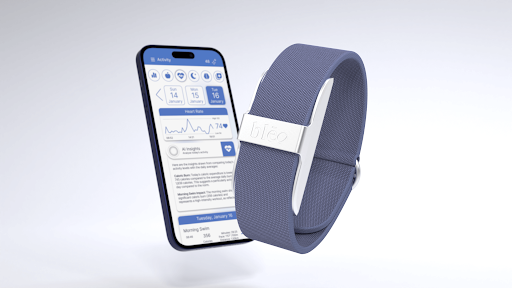
A Fitness band with app support combines wearable tracking with digital tools that help users monitor, analyze, and improve their habits. Instead of relying on memory or rough estimates, users can access detailed information about their activities and routines directly from a connected mobile application.
The combination of wearable technology and app-based insights creates a practical system that helps users stay focused on their wellness journey while making data-driven decisions along the way.
The Shift From Fitness Tracking to Lifestyle Management
Early fitness trackers were primarily designed to count steps and measure physical activity. While these functions remain useful, modern consumers are seeking more comprehensive wellness solutions.
Today’s wearable devices are no longer limited to fitness enthusiasts. They are increasingly used by individuals who want to understand how their daily choices influence overall health.
This broader approach includes monitoring:
- Activity patterns
- Daily movement
- Sleep behaviors
- Routine consistency
- Long-term progress
By focusing on lifestyle management rather than isolated fitness metrics, wearable technology helps users develop a more complete understanding of their wellness.
Why Mobile Applications Are Essential for Modern Wearables
A wearable device can collect large amounts of information, but the mobile application often determines how useful that information becomes.
Without an effective app, data may be difficult to interpret. A well-designed application transforms raw numbers into meaningful insights that users can easily understand.
Mobile apps help users:
Organize Information
Data is automatically sorted into categories and reports.
Track Historical Performance
Users can compare current habits with previous weeks or months.
Set Personal Objectives
Applications often include customizable goals and reminders.
Identify Behavioral Trends
Long-term tracking reveals patterns that may not be obvious on a daily basis.
These capabilities turn wearable devices into practical wellness management tools.
Creating Awareness Through Daily Monitoring
Many people are surprised when they begin tracking their habits consistently.
Activities that seem frequent may occur less often than expected, while certain behaviors may have a larger impact than initially assumed.
A Fitness band with app support helps users gain visibility into everyday routines by collecting information continuously throughout the day.
This awareness often leads to positive changes because users become more conscious of their choices and behaviors.
For example, individuals may discover:
- Periods of inactivity
- Irregular schedules
- Missed fitness opportunities
- Lifestyle habits that affect wellness
The ability to see these patterns clearly is one of the most valuable benefits of wearable technology.
Turning Information Into Better Decisions
Data alone does not improve health. The true value comes from how that information is used.
Modern wellness applications help users make better decisions by presenting information in a practical and understandable way.
Examples of actionable insights include:
Increasing Daily Movement
Users can identify days when activity levels fall below their goals.
Improving Consistency
Tracking helps highlight gaps in routines that may need attention.
Monitoring Progress
Visible improvements provide motivation to continue healthy behaviors.
Adjusting Personal Goals
Data allows users to create realistic and achievable objectives.
This process transforms wearable tracking into a tool for meaningful lifestyle improvement.
How Connected Devices Encourage Accountability
One of the biggest challenges in health and fitness is maintaining accountability.
Many individuals start wellness programs with enthusiasm but lose motivation over time. Wearable technology addresses this issue by providing regular feedback and measurable results.
When progress is visible, users are more likely to remain committed to their goals.
Accountability benefits include:
- Increased motivation
- Improved consistency
- Greater self-awareness
- Better habit formation
- Enhanced focus on objectives
These factors contribute to long-term success and sustainable wellness improvements.
The Value of Long-Term Progress Tracking
Short-term results can be encouraging, but long-term tracking often provides the most meaningful insights.
A connected fitness application allows users to review information collected over extended periods.
This long-term perspective helps users:
Evaluate Lifestyle Changes
Users can determine whether new habits are producing positive outcomes.
Measure Growth
Progress becomes easier to recognize when viewed over several months.
Identify Seasonal Patterns
Activity and wellness habits often fluctuate throughout the year.
Maintain Motivation
Historical achievements serve as reminders of previous success.
The ability to review long-term data is one of the key advantages of app-supported wearables.
Wellness Technology and Healthy Aging
As people become more interested in preventive health, wearable technology is increasingly viewed as a tool for supporting long-term wellness.
Many consumers are exploring fitness wearables for longevity because they provide continuous insights that encourage healthier daily behaviors.
Longevity-focused wellness strategies often emphasize:
- Consistent activity
- Balanced routines
- Regular movement
- Lifestyle awareness
- Sustainable habits
Wearable devices support these goals by helping users monitor behaviors that contribute to long-term well-being.
Rather than focusing solely on short-term performance, these technologies encourage a broader perspective on health.
Features That Enhance the User Experience
Not all wearable devices provide the same level of functionality. Several features contribute to a more effective experience.
Real-Time Synchronization
Instant data updates improve convenience and accessibility.
Visual Dashboards
Clear charts and graphs make information easier to understand.
Goal-Tracking Systems
Progress indicators help users stay motivated.
Personalized Notifications
Custom reminders encourage healthy habits.
Multi-Device Compatibility
Seamless integration with smartphones enhances usability.
Together, these features create a more engaging and valuable wellness platform.
The Role of Data Visualization in Motivation
Understanding information is often easier when it is presented visually.
Many fitness applications use:
- Progress charts
- Weekly summaries
- Trend graphs
- Achievement badges
- Goal completion indicators
These visual tools help users quickly assess performance and identify areas for improvement.
Data visualization also makes wellness tracking more engaging, which can improve long-term participation.
Why Simplicity Matters in Wearable Technology
Consumers increasingly prefer technology that delivers value without complexity.
The most effective wearables often prioritize simplicity by offering:
Easy Setup
Quick installation encourages immediate use.
Automatic Tracking
Users do not need to enter information manually.
Intuitive Navigation
Applications should be easy to understand and operate.
Clear Reporting
Well-organized insights improve decision-making.
This focus on simplicity makes wearable technology accessible to a wider audience.
Future Trends in App-Connected Fitness Devices
The wearable technology industry continues to evolve rapidly.
Future innovations may include:
- More personalized recommendations
- Advanced behavioral analysis
- Artificial intelligence-driven insights
- Enhanced integration with wellness platforms
- Improved predictive analytics
As these developments emerge, app-supported wearables are expected to provide even greater value to users seeking proactive health management.
The growing popularity of fitness wearables for longevity suggests that future devices will increasingly focus on supporting long-term wellness rather than simply tracking workouts.
Conclusion
A Fitness band with app support offers far more than activity tracking. By combining wearable technology with intelligent software, these devices help users monitor habits, evaluate progress, and make informed decisions about their lifestyle.
The ability to access detailed reports, visualize trends, and maintain accountability makes connected wearables powerful tools for personal wellness. As interest in fitness wearables for longevity continues to grow, app-supported devices are becoming an essential part of modern health management.
For individuals seeking a practical way to stay engaged with their wellness goals, the combination of wearable tracking and mobile technology provides a convenient and effective solution.
FAQs
What is a fitness band with app support?
A fitness band with app support is a wearable device that connects to a smartphone application to track, analyze, and display wellness-related information.
Why is app connectivity important for wearable devices?
App connectivity allows users to access detailed reports, monitor trends, set goals, and review historical data.
Can wearable apps improve motivation?
Yes. Progress tracking, visual reports, and goal-monitoring tools often help users stay motivated and accountable.
What kind of information can fitness bands track?
Many devices monitor activity levels, movement patterns, lifestyle habits, and other wellness-related metrics.
What are fitness wearables for longevity?
Fitness wearables for longevity are devices designed to encourage healthy habits and support long-term wellness goals through continuous monitoring and lifestyle awareness.
How often should I check my fitness data?
Regular reviews help users identify patterns, monitor progress, and make informed decisions about their routines.
Are app-supported fitness bands suitable for beginners?
Absolutely. Most modern devices are designed to be user-friendly and accessible for people with varying levels of technical experience.
