



Introduction
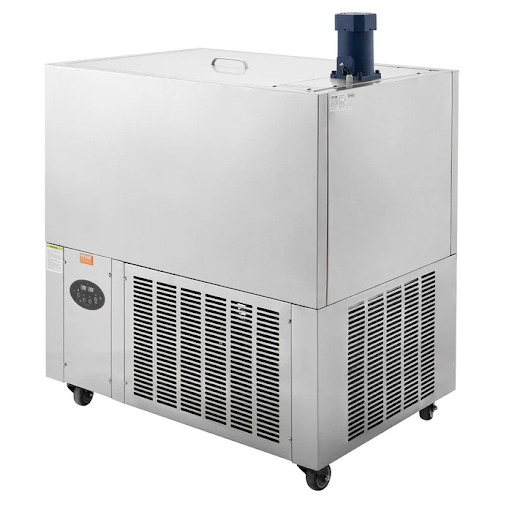
Frozen treats are a staple of the American summer, and demand at shops, cafes, and events has encouraged small businesses to produce their own. A commercial popsicle machine lets an operator make consistent batches of ice pops on site rather than relying on outside suppliers. Cafes, dessert shops, mobile vendors, and event caterers use this equipment to add a popular, high-margin product to their menu.
How the Machine Works
The machine freezes ice pops using a chilled liquid bath rather than ambient air. Molds filled with juice or a flavored mix are lowered into a bath of cold liquid that surrounds them. Because liquid transfers heat far more quickly than air, the mixture freezes from the outside in within minutes. When the pops are solid, a brief warming loosens them from the molds for removal.
Liquid Bath Versus Air Freezing
The choice of a liquid bath rather than cold air is central to how these machines perform. Air is a poor conductor of heat, so an air-based freezer takes much longer to set a pop solid. A liquid bath surrounds each mold and draws heat out quickly and evenly, which shortens the cycle and gives a smoother texture with smaller ice crystals. This speed is what makes on-demand commercial production practical during a busy service.
Refrigeration Principles
The cold bath is maintained by a refrigeration system similar to that in any freezer. A compressor circulates a refrigerant that absorbs heat from the bath and releases it elsewhere, holding the liquid well below freezing. The capacity of this system determines how quickly the machine can freeze a batch and how soon it is ready to start the next one.
Ingredients and Product Quality
The machine sets the shape and the speed, but the recipe sets the quality. Sugar and solids content affect how firm a pop becomes and how cleanly it releases from the mold, while fresh fruit, dairy, and plant-based bases each behave differently during freezing. Consistent measuring and mixing give uniform results from batch to batch, which customers come to expect from a recognizable product.
Hygiene and Food Safety
Any equipment that contacts food must be kept clean. Surfaces and molds that touch the product should be food-grade and cleaned between uses to prevent cross-contamination and flavor carryover. Operators should follow local food-safety rules covering cleaning, storage temperatures, and ingredient handling, since frozen products are not exempt from hygiene requirements.
Operation and Throughput
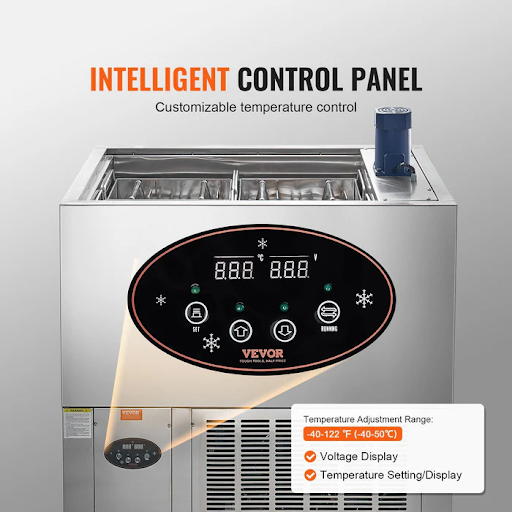 Output depends on the number of molds and the freezing cycle time. A machine with several mold sets can produce many pops per cycle, and faster freezing raises the number of cycles in a day. Matching throughput to expected demand avoids both long waits during busy periods and wasted energy during quiet ones. Planning production around the busiest periods keeps a steady supply on hand without overworking the machine.
Energy and Running Costs
Refrigeration is the largest running cost of this equipment. The compressor draws steady power to hold the bath cold, and frequent lid opening, poor ventilation, or a dusty condenser all force it to work harder. Keeping the condenser clean, allowing airflow around the unit, and running full batches rather than partial ones all help control electricity use over a season.
Common Applications
The equipment suits a range of food-service settings:
- Ice cream parlors and dessert shops
- Cafes and coffee shops adding frozen items
- Mobile vendors, carts, and festivals
- Hotels, resorts, and event caterers
- Specialty and artisan ice-pop producers
Safety and Maintenance
The points below are general guidance and do not replace the manufacturer’s instructions or local rules:
- Connect to a suitable, grounded electrical supply
- Keep the unit clean and clear ice buildup as directed
- Have refrigeration servicing performed by a qualified technician
- Do not exceed the rated batch load
- Allow proper ventilation around the condenser
Advantages and Limitations
Advantages:
- Produces consistent batches on site
- Fast liquid-bath freezing raises output
- Adds a popular, high-margin product
- Reduces reliance on outside suppliers
Limitations:
- Refrigeration uses significant electricity
- Requires regular cleaning and food-safety discipline
- Servicing the refrigerant system needs a professional
- Output is limited by mold count and cycle time
Industry Outlook
As interest in artisan and customizable frozen treats grows, demand for commercial food equipment in this category continues among small and mobile food businesses. Manufacturers are improving energy efficiency and faster freezing cycles. Buyers should match mold capacity, freezing speed, and power requirements to their expected volume, since a unit chosen for a small cafe will not keep pace with a busy festival stand.
