



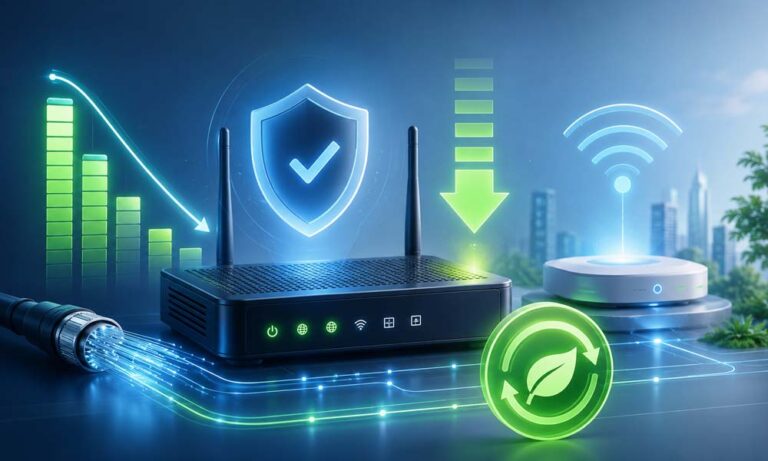
Have you ever seen a phone dim its screen when the battery is low? Or a laptop slow down when it gets too hot? These small actions may look simple, but they show a smart idea. A device can lower power by itself when full power is not needed.
This same idea is used in bigger systems too. Networks, wireless devices, fiber cables, servers, and digital chips all need smart ways to control power. When something goes wrong, too much power can cause heat, damage, or safety risks. This is where automatic power reduction becomes very useful.
In this article, we will explain automatic power reduction in very easy words. We will look at what it means, why it matters, how it works, and where it is used. We will also explain how it helps save energy and protect people in 2026.
What Is Automatic Power Reduction?
Automatic power reduction is a smart feature that lowers power by itself. It does this when a system detects a problem or when full power is not needed. The best part is that it works automatically. A person does not need to press a button or change a setting every time.
Think of it like a car slowing down when the road becomes unsafe. The car does not stop fully, but it reduces speed to stay safe. In the same way, automatic power reduction lowers power to a safer level when a system notices something unusual.
This feature is used in many modern systems. It can be found in optical networks, wireless systems, routers, switches, chips, and even common devices like laptops and phones. Its main goal is simple. It helps save energy, protect devices, and reduce safety risks.
In some systems, automatic power reduction reacts to danger. In other systems, it simply saves power when activity is low. In both cases, it helps the system work in a smarter and safer way.
Why Automatic Power Reduction Matters
Automatic power reduction matters because power is useful, but too much power can be risky. When a system runs at high power all the time, it can create heat. Heat can damage parts, slow down performance, and shorten the life of a device.
For example, think about a Wi-Fi router in a busy office. If every access point uses full power all the time, signals may overlap. This can create noise and poor connections. Automatic power reduction can lower power where it is not needed, which helps the network work better.
Safety is another big reason. In optical networks, systems use laser light to send data through fiber cables. This light can be very strong. It is also often invisible. If a fiber cable breaks, automatic power reduction can quickly lower the laser power to protect technicians and equipment.
Energy saving is also very important in 2026. Homes, offices, data centers, and companies all want to reduce energy waste. Automatic power reduction helps by using only the power that is needed. This can lower bills, reduce heat, and make systems more efficient.
How Automatic Power Reduction Works
Automatic power reduction works like a smart guard inside a system. It keeps watching what is happening. It checks signals, power levels, heat, traffic, and other system conditions. This checking happens all the time in the background.
When the system sees something unusual, it reacts. This could be a broken fiber cable, a weak signal, a disconnected port, too much heat, or low system demand. Once the system detects the change, it lowers power to a safer or more useful level.
In many systems, the process is very fast. It can happen in just a few milliseconds. That means the system can reduce power before serious damage happens. This quick action is one reason automatic power reduction is so valuable.
Some systems also test the connection after reducing power. They may send a small low-power signal to check if the problem is fixed. If everything looks normal again, the system can slowly bring power back to the right level. This helps keep the system safe without turning everything off too quickly.
A simple way to understand it is this:
The system watches. The system detects a problem. The system lowers power. The system checks again. The system returns to normal when safe.
This smart cycle helps protect both people and machines.
Automatic Power Reduction in Optical Networks
One of the most important uses of automatic power reduction is in optical networks. These networks use fiber cables to send data very fast over long distances. They are used by internet companies, telecom networks, data centers, and large businesses.
Optical systems use laser light to move data through fiber cables. This laser light can be powerful. If the fiber cable is closed and working properly, the light stays inside the cable. But if the cable breaks or a connector opens, the light can escape.
This can be dangerous because optical laser light is often invisible. A person may not see it, but it can still harm the eyes. That is why automatic power reduction is so important in optical networks. If a break or fault is detected, the system quickly lowers the laser power.
This protects technicians who may be working near the fiber cable. It also protects equipment like connectors, ports, amplifiers, and cables. Without automatic power reduction, a small fault could become a bigger safety or repair problem.
For example, imagine a technician working in a data center. A fiber line has a fault, but the laser is still running at high power. That could be unsafe. With automatic power reduction, the system lowers the power before the technician is exposed to danger. This makes the workplace safer.
Automatic Power Reduction for Safety
Safety is one of the biggest reasons automatic power reduction exists. In many systems, high power is needed for normal work. But when something goes wrong, that same power can become a risk. Automatic power reduction helps reduce that risk quickly.
In optical systems, the safety risk is mostly linked to laser light. Since the light may not be visible, people cannot always tell when they are in danger. Automatic power reduction works in the background to lower that danger when a fault appears.
This is also helpful during repairs and maintenance. Technicians often need to check cables, ports, and connectors. If the system can lower power automatically during a fault, it gives them extra protection while they work.
Automatic power reduction also helps protect hardware. Too much power can cause overheating or damage to sensitive parts. Connectors can become stressed. Cables can be affected. Devices can wear out faster. By reducing power at the right time, the system keeps everything within safer limits.
This does not mean regular care is no longer needed. People still need to inspect cables, check alerts, and maintain equipment. But automatic power reduction adds an extra layer of safety. It is like having a smart backup guard that reacts faster than a human can.
Automatic Power Reduction in Wireless Systems
Automatic power reduction is also used in wireless systems. Here, the goal is often less about danger and more about better performance. Wireless devices need the right signal strength to work well. Too much power is not always better.
Think about a room full of people talking loudly at the same time. It becomes hard to hear anyone clearly. Wireless signals can be similar. If too many devices send strong signals at once, they can interfere with each other.
In Wi-Fi networks, automatic power reduction can lower signal strength when full power is not needed. This helps reduce signal overlap. It can also make the network cleaner and more stable. Users may get smoother connections because the system is not creating extra noise.
Many modern wireless systems adjust power based on the space around them. For example, access points can check nearby devices and signal conditions. If the area is crowded, the system may lower transmit power to reduce interference.
This is useful in offices, schools, hotels, malls, and large buildings. These places often have many access points. If all of them run at full power, the network may become messy. Automatic power reduction helps balance coverage and performance.
In simple words, wireless power reduction helps the network speak at the right volume. Not too loud. Not too weak. Just strong enough to work well.
Automatic Power Reduction in Network Devices
Automatic power reduction is also useful in common network devices like routers, switches, and access points. These devices do not always need to use full power. Sometimes traffic is low. Sometimes ports are not being used. Sometimes parts of the system can rest for a while.
For example, a network switch may have many ports. But not every port is active all the time. If some ports are unused, the device can reduce power to those areas. This helps save energy without hurting performance.
Some devices can also reduce LED brightness, lower power during idle times, or slow down parts that are not busy. These changes may seem small, but they matter in large networks. A company may have hundreds or thousands of network devices. Small savings across many devices can become big savings over time.
This is why automatic power reduction is important in data centers and large offices. These places use a lot of equipment. If every device runs at full power all day and night, energy costs can rise quickly. Smart power control helps reduce waste.
It also helps reduce heat. Less power means less heat. Less heat means cooling systems do not have to work as hard. This can save even more energy. In 2026, this kind of smart energy use is not just helpful. It is becoming a normal part of good system design.
Automatic Power Reduction vs Power-Off
Many people think automatic power reduction is the same as turning a system off. But they are not the same. They are related, but they work in different ways.
Automatic power reduction lowers power. The system keeps running, but at a safer or lower level. It still checks the condition. It may still send small signals. It may still be ready to return to normal when the problem is fixed.
A power-off function is different. It shuts the system down fully. This usually happens when the problem is serious or does not go away. It is a stronger action.
A simple way to understand this is to think about driving. Automatic power reduction is like slowing down when the road becomes risky. Power-off is like stopping the car completely.
Both actions can protect the system. But automatic power reduction is often the first smart step. It helps avoid sudden shutdowns when a simple power drop is enough. This can protect service, reduce damage, and keep systems more stable.
For example, in an optical network, the system may first lower laser power after a fault. If the fault continues or becomes serious, it may shut down the output completely. This gives the system a safe way to react step by step.
Smart Power Saving with Clock Gating
Automatic power reduction is not only used in cables, routers, and wireless systems. It is also used deep inside digital devices. One smart method is called clock gating. This may sound technical, but the idea is very simple.
Inside chips and processors, many tiny parts work together. These parts need a clock signal to stay active. When a part is not needed, clock gating stops sending that clock signal to that part. This helps the device save power.
Think of it like turning off lights in empty rooms. If no one is using the room, why keep the lights on? Clock gating does the same thing inside a chip. It turns off activity in parts that are not being used.
This helps reduce power use and heat. It is very useful in routers, servers, phones, laptops, and smart devices. In 2026, devices are expected to work faster, but also use less energy. Clock gating helps make that possible.
Automatic power reduction and clock gating both follow the same smart idea. They help systems use power only when it is truly needed.
Power Formulas Behind Automatic Power Reduction
There is some simple science behind power use. Engineers often use formulas to understand how much energy a system uses. But you do not need to be an engineer to understand the basic idea.
One common formula in digital systems is:
Power = Activity × Capacitance × Voltage² × Frequency
This may look a little hard at first. But the meaning is simple. A device uses more power when it works more often, runs at higher voltage, or moves faster.
Automatic power reduction helps by lowering some of these things. For example, if a system reduces activity, it uses less energy. If a chip slows down parts that are not needed, it also saves power.
This is why small changes can make a big difference. Reducing extra activity means less heat. Less heat means the device can work longer and stay more stable.
There is also something called power factor correction. It helps electrical systems use energy in a cleaner and better way. It is not the same as automatic power reduction, but both ideas support smarter energy use.
The main point is easy. Power should not be wasted. A smart system should use the right amount of power at the right time.
Automatic Power Reduction and Automation Tools
In 2026, power saving is not only about hardware. Software also plays a big role. Many companies now use automation tools to control when systems run and when they rest.
For example, a company may have servers that are not needed at night. Instead of letting them run at full power, automation tools can lower activity or turn them off at set times. This saves energy without needing someone to do it by hand every day.
Some tools can also stop extra tasks that waste computer power. For example, a system may run repeated steps that are not needed. When these extra tasks are removed, the system becomes faster and uses less energy.
This works well with automatic power reduction. Hardware can lower power when needed. Software can reduce waste before it even happens. Together, they make systems cleaner, smarter, and more cost-friendly.
A simple example is a large office. During the day, many devices are active. At night, fewer systems are needed. Automation can help lower activity after work hours. Then automatic power reduction can manage power safely in the background.
This is why smart power control is becoming more popular. It saves money, lowers heat, and helps systems work in a better way.
Best Ways to Use Automatic Power Reduction
Automatic power reduction works best when it is set up the right way. Many modern systems already have this feature. But it should not be ignored. If it is available, it should be turned on and checked often.
The first step is simple. Enable automatic power reduction where your system supports it. This is very important in optical networks, wireless systems, routers, switches, and data center devices.
The next step is to watch alerts and warnings. If the system shows an automatic power reduction alarm, it may mean something is wrong. It could be a weak signal, a broken cable, a bad connector, or too much heat.
It is also smart to avoid using maximum power all the time. Many people think more power always means better performance. But that is not true. Too much power can create heat, waste energy, and cause interference.
For wireless systems, set a smart power range. Let the network adjust power based on real conditions. For optical systems, make sure safety settings are active. For digital systems, use tools that support clock gating and other power-saving methods.
Regular care is still important. Automatic power reduction is smart, but it does not replace maintenance. Cables, devices, ports, and settings still need to be checked. The best result comes when smart features and good care work together.
Real-Life Examples of Automatic Power Reduction
Automatic power reduction is used in many places, even if most people do not notice it. It works quietly in the background. That is what makes it so useful.
In optical networks, automatic power reduction protects people when a fiber cable breaks. The system lowers laser power so harmful light does not escape at a dangerous level. This helps keep technicians safe.
In wireless networks, access points can lower transmit power when full signal strength is not needed. This helps reduce interference. It also helps users enjoy smoother internet in places like offices, schools, hotels, and malls.
In network devices, switches can reduce power to unused ports. Routers can lower activity during quiet hours. LEDs can dim when full brightness is not needed. These small actions save energy over time.
Data centers also benefit from automatic power reduction. A data center may have thousands of devices running at once. If each device saves even a little power, the total savings can be huge.
Everyday devices use similar ideas too. Your phone may dim the screen. Your laptop may slow down when idle. Your smart TV may enter a low-power mode. These are simple examples of smart power saving in daily life.
So, automatic power reduction is not only for experts. It is part of the technology we already use every day.
Future of Automatic Power Reduction in 2026
In 2026, automatic power reduction is becoming more important than ever. Technology is growing fast. More devices are connected. More data is being sent. More energy is being used.
Because of this, systems need smarter ways to control power. They cannot run at full power all the time. That would waste energy, create heat, and increase costs.
The future of automatic power reduction will likely be even smarter. Sensors will become better. Systems will detect problems faster. Automation tools will make smarter choices. Some systems may even use AI to predict when power should be reduced before a problem becomes serious.
This can help many industries. Telecom companies can protect fiber networks. Offices can improve wireless performance. Data centers can lower energy use. Device makers can build longer-lasting products.
The goal is simple. Use power when it is needed. Reduce power when it is not. Protect people, protect equipment, and save energy at the same time.
Automatic power reduction will also support greener technology. As companies try to lower energy waste, smart power control will become a key part of modern design.
Conclusion
Automatic power reduction is a simple idea with a big impact. It helps systems lower power when something goes wrong or when full power is not needed. This makes technology safer, smarter, and more energy-friendly.
It protects people in high-power systems like optical networks. It helps wireless systems reduce interference. It helps routers, switches, chips, servers, and everyday devices use less energy.
In 2026, this feature matters more because energy costs, safety, and system performance are all important. Smart systems should not waste power. They should know when to work hard and when to slow down.
In the end, automatic power reduction is all about balance. It keeps power strong when needed and lowers it when it is not. That is why it is one of the smartest safety and energy-saving features in modern technology.
You may also read: Internet Chicks: How Online Women Are Building Fame, Brands, and Income
