



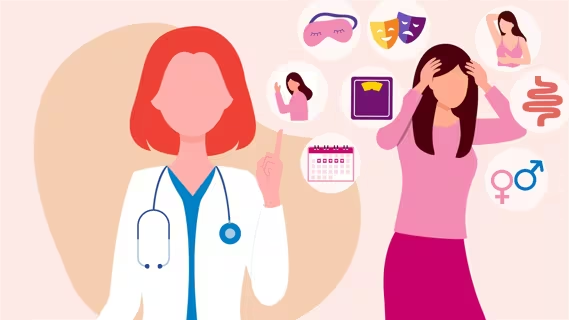
For many women, the journey into menopause doesn’t begin abruptly—it starts with a transitional phase known as perimenopause. This stage can begin as early as your mid-30s or as late as your 50s, often bringing subtle yet disruptive changes that are easy to dismiss or misinterpret. Understanding the early signs of perimenopause can help you take control of your health and make informed decisions about your well-being.
What Is Perimenopause?
Perimenopause refers to the years leading up to menopause, during which your body gradually produces less estrogen. Unlike menopause, which is marked by 12 consecutive months without a menstrual period, perimenopause is characterized by fluctuating hormones and irregular cycles.
Because these changes happen gradually, many women overlook the early symptoms or attribute them to stress, aging, or lifestyle factors. However, recognizing these signs early can make a significant difference in how you manage this transition.
Irregular Periods
One of the earliest and most noticeable signs of perimenopause is a change in your menstrual cycle. Your periods may become shorter, longer, heavier, lighter, or more unpredictable. You might skip a cycle one month and then experience a heavier-than-usual period the next.
These irregularities occur due to inconsistent ovulation, which is a hallmark of hormonal imbalance during this phase. While occasional irregularity can be normal, consistent changes are worth paying attention to.
Mood Swings and Emotional Changes
If you’ve noticed increased irritability, anxiety, or mood swings, perimenopause could be a contributing factor. Hormonal fluctuations—particularly changes in estrogen—can impact neurotransmitters in the brain, influencing how you feel emotionally.
You may find yourself reacting more strongly to situations that wouldn’t have bothered you before. While emotional changes can stem from various causes, persistent mood shifts alongside other symptoms may संकेत perimenopause.
Sleep Disturbances
Trouble falling asleep or staying asleep is another early warning sign. Night sweats and hot flashes can disrupt your sleep cycle, leaving you feeling fatigued during the day. Even without noticeable night sweats, hormonal changes alone can interfere with sleep quality.
Chronic sleep disruption can affect your mood, energy levels, and overall health, making it an important symptom not to ignore.
Hot Flashes and Night Sweats
Hot flashes are often associated with menopause, but they can begin during perimenopause. These sudden feelings of heat, often accompanied by sweating and a flushed face, can occur at any time of day or night.
Night sweats, a nighttime version of hot flashes, can be particularly disruptive, soaking your sheets and interrupting restful sleep.
Brain Fog and Memory Issues
Many women report experiencing “brain fog” during perimenopause. This can include forgetfulness, difficulty concentrating, and mental fatigue. While occasional lapses in memory are normal, a noticeable decline in cognitive sharpness may be linked to hormonal changes.
These symptoms can be frustrating, especially for women balancing careers, family responsibilities, and personal commitments.
Changes in Libido
A decrease in sexual desire is another common yet often overlooked sign of perimenopause. Hormonal shifts can affect libido, vaginal dryness, and overall sexual comfort.
It’s important to remember that these changes are normal and manageable. Open communication with your partner and healthcare provider can help address concerns and explore solutions.
When to Seek Support
If you’re experiencing several of these symptoms, it may be time to consult a healthcare professional. Early intervention can help you manage symptoms more effectively and improve your quality of life. For women who are still hoping to conceive, seeking guidance from specialists such as the Ulm fertility center (Kinderwunschzentrum Ulm) can provide valuable insight into how perimenopause-related hormonal changes may affect fertility and what treatment options may be available.
Options range from lifestyle changes—such as improved diet, regular exercise, and stress management—to medical treatments. For some women, therapies likeBHRT in South Jordan, UT can be part of a personalized approach to balancing hormones and easing symptoms.
Taking Control of Your Health
Perimenopause is a natural phase of life, but that doesn’t mean you have to endure it without support. By recognizing the early signs and taking proactive steps, you can navigate this transition with confidence.
Listen to your body, track your symptoms, and don’t hesitate to seek guidance. The more informed you are, the better equipped you’ll be to make choices that support your long-term health and well-being.
Understanding perimenopause isn’t just about identifying symptoms—it’s about empowering yourself to thrive through change.
