



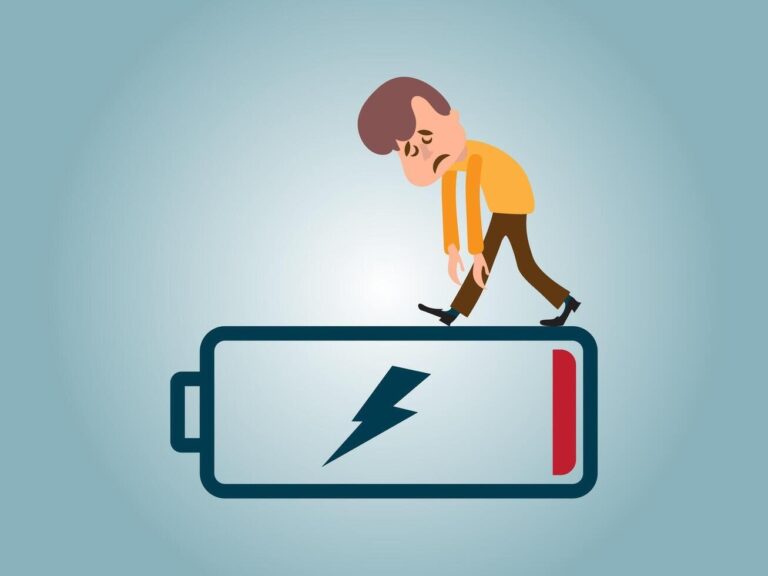
Feeling tired after a demanding week is a completely normal part of being human. However, there is a distinct difference between standard tiredness and a systemic energy deficit. When your body is consistently depleted, it begins sending subtle—and sometimes glaring—warning signals that your internal battery is flashing red. Recognizing these symptoms early is crucial for maintaining your long-term health. By understanding the following seven signs of low energy, you will gain the insight needed to address root causes and restore your vitality.
Waking Up Exhausted Despite a Full Night’s Sleep
If you regularly clock seven to nine hours of sleep but still wake up feeling as though you barely rested, your energy reserves are likely compromised. This phenomenon, often called unrefreshing sleep, occurs when your body fails to cycle properly through deep, restorative sleep stages. Hormonal imbalances, particularly abnormal cortisol levels, can disrupt this cycle and prevent physical recovery.
Establish a strict winding-down routine. Dim your lights an hour before bed, avoid screens, and try reading or light stretching to signal to your brain that it is time to transition into a deep sleep state.
Prolonged Recovery from Basic Physical Activity
A clear indicator of depleted energy is when basic physical exertion—such as carrying groceries, climbing a flight of stairs, or completing a light workout—leaves you feeling wiped out for days. This delayed recovery points to potential mitochondrial dysfunction, meaning the powerhouses of your cells are struggling to produce sufficient energy to meet physical demands.
Do not push through the exhaustion with intense workouts. Instead, pivot to restorative movements like gentle yoga or leisurely walking until your baseline energy improves, allowing your cells to recover without added metabolic stress.
Persistent Brain Fog and Lack of Concentration
The human brain consumes roughly 20 percent of the body’s total energy. When your overall energy levels drop, cognitive function is often the first casualty. You might experience this as “brain fog”—a frustrating inability to focus, recall simple words, or process information efficiently. This cognitive sluggishness often stems from chronic inflammation or nutrient deficiencies that prevent optimal brain function.
Tip: Hydration plays a massive role in cognitive clarity. Ensure you are drinking enough water throughout the day, and consider incorporating foods rich in omega-3 fatty acids, like walnuts or salmon, to support brain health.
Frequent Cravings for Sugar and Caffeine
When cellular energy dips, the brain instinctively seeks out quick fixes. If you find yourself constantly reaching for another cup of coffee or craving sugary snacks mid-afternoon, your body is desperately searching for an artificial energy spike. Unfortunately, these quick fixes lead to rapid blood sugar crashes, creating a vicious cycle that ultimately leaves you more drained than before.
Stabilize your blood sugar by pairing complex carbohydrates with high-quality proteins and healthy fats. Snacking on an apple with almond butter provides a sustained, slow release of energy rather than a temporary spike.
Unexplained Irritability and Mood Swings
Energy depletion severely compromises your stress resilience. Without adequate energy, the nervous system remains in a heightened state of alert, making you highly reactive to minor inconveniences. If you find yourself snapping at loved ones or feeling overwhelmed by small setbacks, it is a strong physiological sign that your adrenal system is overworked and your energy is tapped out.
Incorporate five minutes of deep, diaphragmatic breathing into your morning routine. This simple practice helps regulate the nervous system, lowering cortisol levels and improving emotional stability throughout the day.
A Weakened Immune Response
Your immune system requires a massive amount of energy to fend off pathogens and regulate healing. If you are catching every common cold circulating the office or struggling to shake off a mild viral infection, your energy levels are likely too low to support optimal immune defense. Chronic immune activation or immune exhaustion actively drains your daily energy reserves.
Focus on immune-supporting nutrients like Vitamin C, Vitamin D, and zinc. Prioritizing a colorful, vegetable-rich diet can give your immune system the building blocks it needs without forcing it to work in overdrive.
Everyday Tasks Feel Insurmountable
Perhaps the most telling sign of low energy is when routine chores—like doing the laundry, cooking dinner, or answering an email—feel like monumental tasks. This sense of heavy overwhelm goes beyond procrastination; it is a physical and mental block indicating that your metabolic imbalances and stress loads have reached a tipping point. For those experiencing these profound symptoms, seeking specialized support is often necessary. For instance, exploring options like chronic fatigue treatment in Albuquerque can provide a personalized approach to identifying specific triggers, such as gut dysbiosis or post-viral syndrome, to help you regain your life.
Break tasks down into micro-steps. Instead of “cleaning the kitchen,” commit to just washing three plates. Lowering the barrier to entry helps bypass the mental overwhelm associated with low energy.
