



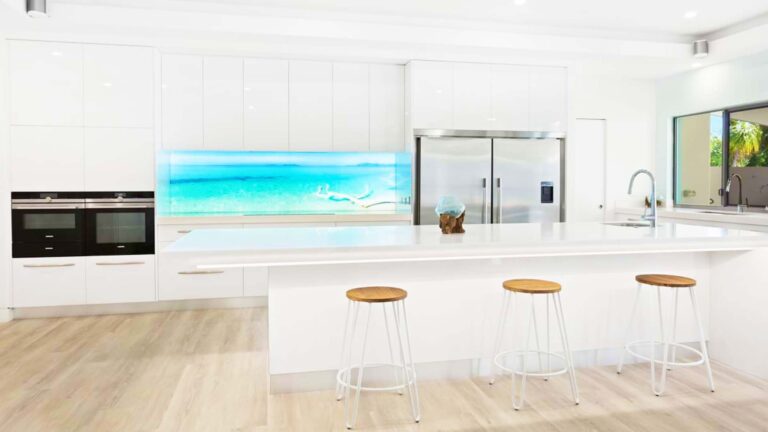
I have spent plenty of time in and out of kitchens over the years. Most of my clients want that high-end look without spending a fortune on custom glass or dealing with the mess of traditional tiling. This is why I often find myself discussing acrylic as a middle ground for splashbacks. It looks great when it’s first installed and it offers a level of flexibility that you just don’t get with other materials.
However, there are a few things you need to know before you commit to this material for your next project. It’s a popular choice for many homeowners today, so let’s explore how it actually performs in a busy kitchen environment.
How to Fit Acrylic Sheets Correctly on Site
One of the biggest advantages of this material is that you can work with it using standard tools. When you’re handling a clear acrylic plastic sheet, you’ll find that it’s much more forgiving than glass if you need to make a quick adjustment. I usually use a fine-tooth saw or a jigsaw with a plastic-cutting blade to get a clean edge. It’s worth pointing out that you should always leave the protective film on until the very last second to avoid any accidental scratches while you work.
The installation process usually involves using a neutral cure silicone or a high-strength grab adhesive. You’ll want to avoid any solvent-based adhesives because they can react with the plastic and cause it to crack or cloud over time.
It’s also a good idea to leave a small expansion gap of about two millimetres around the edges. This allows the material to move slightly as the temperature in the kitchen changes throughout the day. You can hide these gaps easily with a neat bead of silicone or a small trim that matches the worktop.
Is Heat a Real Issue for Plastic Splashbacks?
You must be careful with placement because acrylic isn’t heatproof like toughened glass. I always tell clients not to install it directly behind a gas hob, as open flames and hot pans will warp or melt the material if it’s too close.
While it’s fine for induction or electric hobs, you still need to maintain a sixty millimetre gap from the cooker edge. If you have a gas hob, it’s better to use a small piece of stainless steel or glass behind the stove instead of running acrylic all the way across. This keeps the kitchen safe and lets you achieve the look you want without any risks, as long as you plan the layout before you start cutting.
How to Keep Acrylic Looking New for Years
Cleaning is another area where decorators need to manage expectations. Acrylic is a softer material than glass, so it can pick up fine scratches if it’s scrubbed with abrasive pads. I always recommend using a soft microfibre cloth and a bit of warm, soapy water for daily spills. You can also buy specialised plastic cleaners that help to repel dust and reduce the static charge that sometimes builds up on the surface.
There are several steps you can take to keep the splashback in top condition:
- Always use a soft cloth instead of a sponge with a rough backing.
- Avoid using window cleaners that contain ammonia as they can dull the finish.
- Wipe away splashes from acidic foods like tomatoes or lemon juice immediately.
- Use a specialised polish if you notice any light surface scratches over time.
How Acrylic Compares to Glass and Tile
When you compare acrylic to glass, it’s usually preferred because it’s cheaper and far easier to install on-site. You can’t alter glass once it’s been toughened in a factory, but acrylic is light and flexible enough to handle on a tight schedule. It’s also about half the price of glass, which helps the budget.
Compared to tiles, acrylic is much more hygienic as there are no grout lines to attract mould or discolour. You won’t have to worry about cracked tiles if the house settles, making it a clean, low-maintenance choice for a modern kitchen instead of using traditional materials.
Final Take
Acrylic splashbacks are a brilliant solution for anyone who wants a stylish kitchen on a budget. As long as you keep them away from direct flames and use the right cleaning tools, they will look fantastic for a long time.
They offer a level of customisation that is hard to beat and the installation is straightforward for anyone with basic DIY skills. It’s a practical choice that I’ll continue to recommend for many of my projects.
