



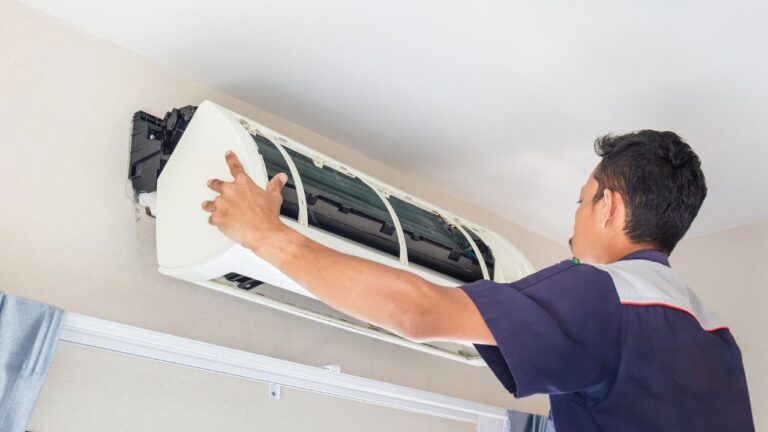
Air conditioning systems have become essential for maintaining indoor comfort, especially in hot climates and during peak summer conditions. When an AC system stops working properly, it can quickly affect daily life, productivity, and overall comfort. Problems such as weak cooling, strange noises, water leakage, or complete system failure are common and usually indicate that the unit needs proper inspection and repair.
Understanding how air conditioning systems work and what causes them to fail can help in identifying issues early and preventing costly breakdowns. This guide explains the complete process of air conditioning repair, common problems, maintenance tips, and when professional help is necessary.
How an Air Conditioning System Works
An air conditioning system operates by removing heat from indoor air and transferring it outside. It uses a cycle involving refrigerant gas, compressor, condenser, and evaporator coils.
The evaporator coil absorbs heat from indoor air, cooling it down before circulating it back into the room. The compressor then pumps refrigerant through the system, increasing its pressure and temperature. The condenser releases this heat outside, allowing the refrigerant to cool down and repeat the cycle.When any part of this system fails or becomes inefficient, the entire cooling process is affected. This is why even small issues can lead to noticeable performance problems.
Common Air Conditioning Problems
Air conditioning systems can develop several issues over time due to regular use, lack of maintenance, or mechanical failure.
One of the most common problems is insufficient cooling. This usually happens due to low refrigerant levels, dirty filters, or clogged coils. When airflow is restricted or refrigerant is low, the system cannot cool air effectively.
Another frequent issue is unusual noise. Grinding, rattling, or buzzing sounds often indicate loose components, motor problems, or debris inside the system.Water leakage is also a common concern. This can occur when the drainage system is blocked or when the evaporator coil freezes and then melts improperly.
Electrical issues can cause the system to stop working completely. Faulty wiring, capacitor failure, or thermostat malfunctions can prevent the AC from turning on or operating correctly.Foul odors coming from the unit may indicate mold growth inside the system or dirty filters that need cleaning.
Importance of Early Diagnosis and Repair
Early detection of air conditioning issues can prevent more serious damage and reduce repair costs. Small problems such as dirty filters or minor refrigerant leaks can quickly escalate if ignored.
Reduced efficiency is often the first sign of a problem. If the system takes longer to cool a room or runs continuously without reaching the desired temperature, it may require inspection.Regular maintenance helps identify issues before they lead to complete system failure. Technicians use diagnostic tools to check refrigerant pressure, airflow, and electrical performance.Timely repair not only restores cooling efficiency but also extends the lifespan of the system.
Step-by-Step Air Conditioning Repair Process
Air conditioning repair involves a systematic approach to identify and fix problems efficiently.The first step is system inspection. Technicians examine the entire unit, including indoor and outdoor components, to identify visible and hidden issues.Next is performance testing. This includes checking airflow, temperature output, refrigerant levels, and electrical connections to determine the exact cause of malfunction.
If refrigerant levels are low, leak detection is performed. Once leaks are identified, they are sealed, and refrigerant is refilled to the correct level.Cleaning is another important step. Dirty filters, clogged coils, and blocked vents are cleaned to restore proper airflow and efficiency.
Electrical components such as capacitors, relays, and wiring are tested and replaced if necessary.During this process, air conditioning repair ensures that all mechanical, electrical, and cooling issues are properly addressed so the system returns to optimal performance. Without proper air conditioning repair, small faults can develop into major system failures over time.Finally, system testing is done after repairs to ensure everything is functioning correctly and cooling performance is restored.
Role of Regular Maintenance in Preventing Repairs
Regular maintenance is essential for keeping air conditioning systems efficient and reliable. A well-maintained system consumes less energy and provides consistent cooling.Cleaning air filters regularly improves airflow and prevents dust buildup. Dirty filters are one of the most common causes of reduced cooling performance.
Outdoor units should also be kept clean and free from debris. Blocked condenser coils can reduce heat exchange efficiency and strain the system.Checking refrigerant levels periodically ensures that the system maintains proper cooling capacity.Electrical connections should be inspected to prevent sudden breakdowns or safety hazards.Routine servicing helps detect potential issues early and reduces the need for emergency repairs.
Energy Efficiency and Performance Optimization
An inefficient air conditioning system can significantly increase electricity bills. When the system is not functioning properly, it consumes more energy to achieve the same cooling effect.Proper insulation in rooms helps maintain cooling and reduces load on the system. Sealing gaps around doors and windows prevents cool air from escaping.
Using programmable thermostats can also improve energy efficiency by controlling temperature based on usage patterns.Regular servicing ensures that the system runs smoothly and maintains optimal energy performance.
Health and Air Quality Considerations
Air conditioning systems not only control temperature but also affect indoor air quality. Dirty filters and coils can circulate dust, allergens, and bacteria inside the room.Poorly maintained systems may lead to respiratory issues, allergies, and discomfort, especially for sensitive individuals.
Moisture buildup inside the system can also encourage mold growth, which affects air quality and produces unpleasant odors.Regular cleaning and proper ventilation help maintain a healthy indoor environment.
Challenges in Air Conditioning Repair
Air conditioning repair can be complex due to the technical nature of the system. One major challenge is identifying hidden refrigerant leaks, which require specialized tools and expertise.Electrical issues can also be difficult to diagnose without proper testing equipment.Older systems may require replacement parts that are no longer easily available.In some cases, multiple issues occur simultaneously, making diagnosis more time-consuming.Despite these challenges, professional repair ensures accurate troubleshooting and long-term solutions.
Preventive Tips for Long-Term AC Performance
Preventing breakdowns is always better than repairing them. Simple habits can significantly improve the lifespan of an air conditioning system.Cleaning filters every few weeks helps maintain airflow and cooling efficiency.Avoid overloading the system by setting moderate temperatures instead of extreme cooling settings.Scheduling professional servicing at least once or twice a year ensures that all components are checked and maintained properly.Keeping the outdoor unit free from dust and obstruction improves heat exchange efficiency.These preventive steps reduce the chances of unexpected failures and expensive repairs.
Conclusion
Air conditioning systems play a vital role in maintaining indoor comfort, especially during extreme weather conditions. However, like any mechanical system, they require regular maintenance and timely repair to function efficiently.
Issues such as weak cooling, noise, leakage, and electrical faults should never be ignored, as they can lead to more serious system failures over time.
A structured approach to air conditioning repair ensures that all components are properly inspected, cleaned, and restored for optimal performance.With timely diagnosis, professional servicing, and regular maintenance, air conditioning systems can operate efficiently for many years while providing consistent comfort and improved indoor air quality.
