



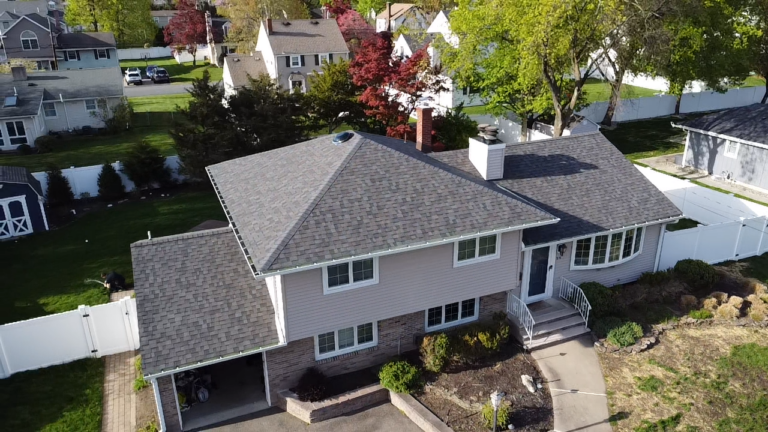
Residential roofing is one of the most important components of any home, yet it is often overlooked until problems appear. A well-built and properly maintained roof not only protects the structure from harsh weather conditions but also improves energy efficiency, enhances curb appeal, and increases property value. Whether you are building a new home or maintaining an existing one, understanding how residential roofing systems work and how to care for them can save you significant time and money in the long run. This guide explores the essential aspects of residential roofing, including materials, installation, maintenance, repair considerations, and how to make informed decisions when selecting a roofing contractor.
Understanding Residential Roofing Systems
Residential roofing systems are designed to provide a protective barrier between your home’s interior and the external environment. These systems are composed of multiple layers that work together, including decking, underlayment, flashing, shingles or other surface materials, and ventilation components. Each layer plays a critical role in ensuring durability and performance. For example, the decking serves as the foundation of the roof, while the underlayment adds an extra layer of moisture protection. Shingles or tiles form the visible outer layer that shields the home from rain, wind, and sun exposure.
Different climates and architectural styles require different roofing approaches. Homes in regions with heavy snowfall may require steep slopes to prevent snow accumulation, while homes in hotter climates often benefit from reflective roofing materials that reduce heat absorption. Understanding these variations is key to selecting the right roofing system for your property.
Common Roofing Materials for Homes
One of the most important decisions in residential roofing is choosing the right material. Asphalt shingles are the most commonly used option due to their affordability, ease of installation, and versatility. They come in a variety of colors and styles, making them suitable for many architectural designs. Metal roofing is another popular choice, known for its durability, longevity, and resistance to extreme weather conditions. Although it has a higher upfront cost, it often pays off over time due to its long lifespan.
Other materials include clay tiles, slate, and wood shakes. Clay and slate offer a classic, high-end appearance and can last for decades, but they are heavier and require strong structural support. Wood shakes provide a natural aesthetic but require more maintenance to prevent moisture damage and decay. Selecting the right material depends on your budget, climate, and aesthetic preferences.
Importance of Professional Installation
Proper installation is critical to the performance and longevity of any roofing system. Even the highest-quality materials can fail prematurely if not installed correctly. This is why hiring experienced professionals is essential for residential roofing projects. Skilled roofers ensure that every component is installed according to industry standards, reducing the risk of leaks, structural damage, and costly repairs in the future.
In many cases, homeowners rely on expert services such as Residential Roofing in Montclair, NJ to ensure that their roofing systems are installed with precision and care. Professional contractors also conduct thorough inspections before and after installation, ensuring that every detail is addressed properly. This level of expertise provides peace of mind and long-term protection for your home.
Maintenance and Inspection Practices
Regular maintenance is essential to extending the life of a residential roof. Over time, roofs are exposed to environmental stressors such as rain, wind, UV rays, and temperature fluctuations. Without proper care, these factors can lead to deterioration, leaks, and structural issues. Routine inspections help identify minor problems before they escalate into major repairs.
Homeowners should check for missing or damaged shingles, clogged gutters, and signs of water intrusion. It is also important to remove debris such as leaves and branches that can trap moisture and cause mold growth. Scheduling professional inspections at least once or twice a year is highly recommended. Services like Residential Roofing in Montclair, NJ often include maintenance plans that help homeowners keep their roofs in optimal condition year-round.
Signs Your Roof Needs Repair or Replacement
Recognizing early warning signs of roof damage can prevent costly structural issues. Common indicators include water stains on ceilings or walls, sagging roof sections, missing shingles, and excessive granule loss from asphalt shingles. You may also notice increased energy bills due to poor insulation caused by roof deterioration.
If your roof is over 20 years old, it may be approaching the end of its lifespan, depending on the material used. In such cases, a full replacement may be more cost-effective than continuous repairs. Consulting with a roofing professional can help you determine the best course of action based on the condition of your roof.
Energy Efficiency and Roofing
Modern residential roofing systems are not just about protection—they also play a significant role in energy efficiency. A well-insulated and properly ventilated roof helps regulate indoor temperatures, reducing the need for excessive heating or cooling. Reflective roofing materials can also minimize heat absorption, especially in warmer climates, leading to lower energy bills.
Proper attic ventilation is another key factor in maintaining energy efficiency. It prevents heat buildup during summer and moisture accumulation during winter, both of which can damage roofing materials over time. Homeowners looking to improve energy efficiency should consider upgrading insulation and choosing energy-efficient roofing materials.
Choosing the Right Roofing Contractor
Selecting the right contractor is one of the most important steps in any roofing project. A qualified professional should have proper licensing, insurance, and a strong track record of completed projects. It is also important to review customer feedback and request detailed estimates before making a decision.
A reliable contractor will provide transparent pricing, clear timelines, and warranties on both materials and labor. In many cases, homeowners seek trusted professionals such as Residential Roofing in Montclair, NJ to ensure their roofing projects are handled with expertise and reliability. Working with experienced contractors reduces the risk of errors and ensures long-lasting results.
Long-Term Value of Quality Roofing
Investing in high-quality residential roofing offers long-term benefits that go beyond immediate protection. A well-maintained roof enhances property value, improves energy efficiency, and reduces the likelihood of unexpected repair costs. It also contributes to the overall safety and comfort of the home, making it a crucial part of any property investment.
Homeowners who prioritize regular maintenance and professional installation often experience fewer issues over time and enjoy greater peace of mind. Whether you are repairing an existing roof or installing a new one, focusing on quality and expertise is essential for long-term success.
Conclusion
Residential roofing is a vital aspect of homeownership that requires careful attention, from material selection and installation to maintenance and repairs. Understanding how roofing systems work and recognizing the importance of professional services can help homeowners protect their investment and avoid costly damage.
With proper care and expert guidance, a well-built roof can last for decades while providing safety, efficiency, and aesthetic appeal. In many cases, relying on trusted experts such as residential roofing in Montclair, NJ ensures that homeowners receive high-quality workmanship and dependable results that stand the test of time.
