



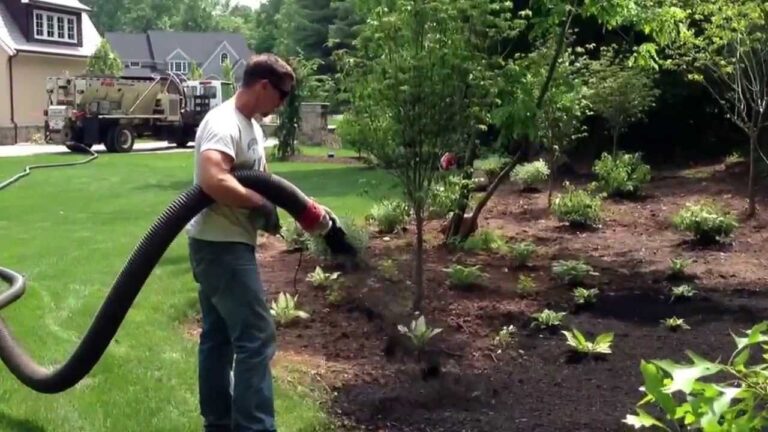
Mulching is one of the most effective and widely used practices in landscaping and garden management. It plays a vital role in maintaining soil health, improving plant growth, and enhancing the visual appeal of outdoor spaces. Whether used in residential gardens, commercial landscapes, or agricultural settings, proper mulch application can significantly influence long-term plant vitality and soil stability. Understanding the process of Mulch install is essential for achieving both functional and aesthetic benefits in any landscaped environment.
Mulch refers to a protective layer of organic or inorganic material placed over soil. It helps regulate temperature, retain moisture, suppress weeds, and improve soil structure over time. While it may seem simple, effective mulching requires careful selection of materials, correct application techniques, and ongoing maintenance to ensure maximum benefits.
Understanding the Purpose of Mulching
The primary purpose of mulch is to protect the soil and create a stable environment for plant growth. Soil is constantly exposed to environmental stress such as sunlight, wind, rain, and temperature fluctuations. Without protection, these factors can lead to moisture loss, erosion, and nutrient depletion.Mulch acts as a barrier that reduces evaporation, allowing the soil to retain moisture for longer periods. This is especially beneficial in dry climates or during hot seasons when water conservation is important.Another key function is weed suppression. By blocking sunlight from reaching weed seeds, mulch reduces their ability to germinate and grow. This helps maintain a cleaner and more manageable landscape.In addition, mulch gradually improves soil quality when organic materials decompose. This process enriches the soil with nutrients and enhances its structure, promoting healthier root development.
Types of Mulch Materials
Choosing the right type of mulch is an important part of successful installation. Mulch is generally divided into two categories: organic and inorganic.Organic mulch includes materials such as wood chips, bark, straw, grass clippings, and compost. These materials decompose over time and contribute nutrients to the soil. They are ideal for garden beds, trees, and shrubs where soil improvement is a priority.Inorganic mulch includes materials such as gravel, rubber, plastic sheeting, and landscape fabric. These do not decompose and are used primarily for long-term weed control and decorative purposes. They are commonly used in pathways, commercial landscapes, and areas requiring low maintenance.Each type of mulch has specific advantages, and selecting the right one depends on the purpose of the landscape and environmental conditions.
Site Preparation Before Mulch Installation
Proper preparation is essential before applying mulch. The area must be cleared of weeds, debris, and any existing unwanted vegetation. This ensures that mulch is applied directly to the soil surface without interference.Weed removal is particularly important because mulch alone cannot eliminate established weeds. If weeds are not removed beforehand, they may continue to grow beneath the mulch layer.Soil should also be properly leveled and watered if necessary. Moist soil helps mulch settle more effectively and improves its ability to retain moisture.In some cases, a weed barrier fabric may be installed before mulching. This adds an extra layer of protection and further reduces weed growth, especially in high-maintenance areas.
Proper Application Techniques
The effectiveness of mulch depends heavily on how it is applied. One of the most important factors is thickness. A typical mulch layer should be between 2 to 4 inches deep. Too little mulch may not provide adequate protection, while too much can restrict air and water flow to plant roots.Mulch should be spread evenly across the surface to ensure consistent coverage. Uneven application can lead to dry spots or areas where weeds can grow more easily.It is also important to keep mulch slightly away from plant stems and tree trunks. Direct contact can trap moisture against the bark, leading to rot, pest infestations, or fungal growth.Proper edging around garden beds helps keep mulch in place and maintains a clean, defined appearance. This is especially important in landscaped areas where aesthetics are a priority.
Benefits of Mulch Installation
One of the most significant benefits of mulch is moisture retention. By reducing evaporation, mulch helps soil stay hydrated for longer periods, which reduces the need for frequent watering.Temperature regulation is another important advantage. Mulch acts as insulation, keeping soil cooler in hot weather and warmer during cold periods. This creates a more stable environment for root systems.Weed control is also a major benefit. A properly applied mulch layer blocks sunlight, preventing weed seeds from germinating and spreading.In addition, mulch helps prevent soil erosion caused by wind and rain. This is particularly important on slopes or areas with loose soil.Organic mulch also improves soil fertility over time as it decomposes. This natural process enriches the soil with nutrients and supports healthier plant growth.All of these advantages make Mulch install an essential practice in sustainable landscaping.
Common Mistakes in Mulching
One of the most common mistakes is applying mulch too thickly. Excessive mulch can suffocate plant roots by blocking air and water movement. It can also create conditions that promote rot and disease.Another mistake is piling mulch directly against tree trunks or plant stems. This practice, often called “mulch volcanoing,” can severely damage plants by trapping moisture and encouraging pests.Using low-quality or contaminated mulch is also problematic. Poor-quality materials may contain weed seeds, pests, or harmful chemicals that can damage plants.Neglecting regular maintenance is another issue. Over time, mulch decomposes or becomes compacted, reducing its effectiveness. Periodic replenishment is necessary to maintain optimal performance.Avoiding these mistakes is essential for achieving long-lasting results.
Maintenance and Long-Term Care
Mulch is not a one-time application; it requires ongoing maintenance to remain effective. Organic mulch naturally decomposes over time, so it should be replenished periodically to maintain proper depth.Raking mulch occasionally helps prevent compaction and ensures even distribution. It also improves air circulation and water penetration.Weeds that manage to grow through mulch should be removed promptly to prevent spreading. In some cases, additional mulch may be added to reinforce weed suppression.Seasonal adjustments may also be necessary depending on climate conditions. For example, additional mulch may be applied before winter to protect plant roots from freezing temperatures.Proper maintenance ensures that mulch installation continues to provide benefits throughout the year.
Environmental Impact of Mulching
Mulching offers several environmental benefits that contribute to sustainable landscaping practices. By conserving soil moisture, it reduces the need for excessive irrigation, helping to preserve water resources.Organic mulch also supports soil biodiversity by encouraging beneficial microorganisms and earthworms. These organisms play a key role in maintaining healthy soil ecosystems.In addition, mulch helps reduce the need for chemical herbicides by naturally suppressing weed growth. This minimizes chemical runoff and supports a healthier environment.Recycling organic waste materials such as leaves, wood chips, and grass clippings into mulch also reduces landfill waste and promotes sustainability.
Mulch in Landscape Design and Aesthetics
Beyond its functional benefits, mulch plays an important role in landscape design. It enhances visual appeal by providing contrast to plants, pathways, and architectural features.Different types and colors of mulch can be used to create specific design effects. For example, dark mulch can make green plants stand out, while lighter mulch can create a more natural or rustic appearance.Well-maintained mulch beds contribute to a clean, organized, and professional-looking landscape. This improves curb appeal and increases property value.
Long-Term Benefits of Proper Mulch Installation
When installed and maintained correctly, mulch provides long-term benefits that extend far beyond initial application. It improves soil health, reduces maintenance requirements, and enhances plant growth over time.It also contributes to more efficient water usage, making landscapes more sustainable and environmentally friendly.Healthy mulch layers support stronger root systems, which in turn produce healthier and more resilient plants.These long-term advantages highlight the importance of proper Mulch install practices in any landscaping project.
Conclusion: Enhancing Soil Health and Landscape Performance
Mulching is a simple yet highly effective landscaping practice that delivers both immediate and long-term benefits. From moisture retention and weed control to soil improvement and aesthetic enhancement, mulch plays a crucial role in maintaining healthy outdoor environments.Successful results depend on proper material selection, correct application techniques, and ongoing maintenance. When done correctly, Mulch install becomes a powerful tool for improving soil conditions, supporting plant growth, and enhancing landscape beauty.By following best practices and avoiding common mistakes, mulch can transform ordinary outdoor spaces into healthy, sustainable, and visually appealing environments for years to come.
