



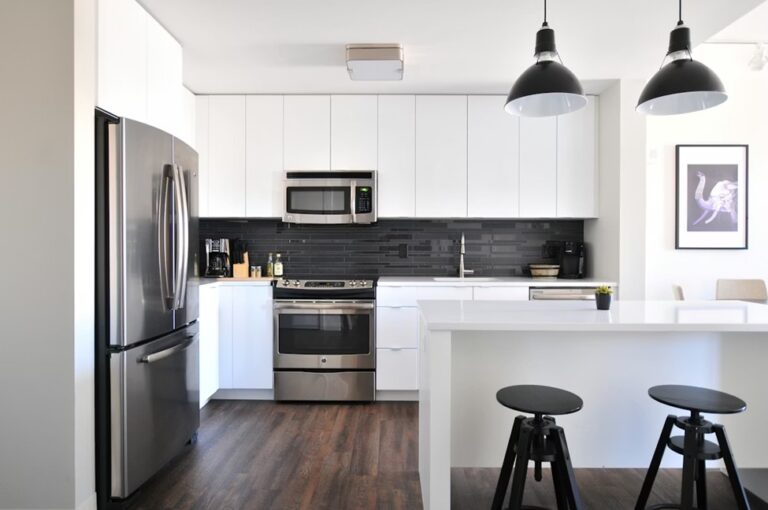
The kitchen is one of the busiest rooms in any home. It is where meals are prepared, coffee is made, conversations happen, and families often gather at the beginning and end of the day. Because of this, a kitchen should be more than just attractive. It should be comfortable, easy to move around in, simple to clean, and designed around the way people actually live.
A beautiful kitchen may look good in photos, but if the layout feels awkward or there is never enough storage, the space can quickly become frustrating. That is why planning matters so much. Whether someone is updating an older kitchen, opening up a small space, or completely changing the style of the room, the best results come from balancing design with everyday function.
Start With How the Kitchen Is Used
Before choosing cabinets, tiles, countertops, or lighting, it helps to think about daily habits. Every household uses the kitchen differently. Some people cook full meals every night, while others mainly need a space for quick breakfasts, coffee, and simple dinners. Some families need room for children to do homework at the counter, while others want an open area for entertaining guests.
The first question should be simple: what is not working right now?
Maybe the kitchen feels too dark. Maybe the counters are always cluttered. Maybe the fridge, sink, and stove are too far apart. Maybe there is no place to sit, or the cabinets are hard to reach. These small frustrations are often the best starting point for a remodel because they show exactly what needs to change.
Once the main problems are clear, it becomes easier to create a kitchen that supports daily life instead of only following trends.
Think Carefully About Layout
The layout is one of the most important parts of any kitchen design. Even expensive materials cannot fix a kitchen that is uncomfortable to use. A good layout should make movement feel natural. The sink, stove, refrigerator, prep space, and storage areas should all be placed in a way that supports the cooking process.
For smaller kitchens, the goal is usually to make the best use of every inch. This could mean adding taller cabinets, using corner storage, choosing slimmer appliances, or creating more counter space where it is needed most. In larger kitchens, the challenge is often the opposite. The space should not feel too spread out or empty. A large island, smart lighting, and clear work zones can help the room feel connected and practical.
Open-concept kitchens are also popular because they connect the kitchen with the dining or living area. This can make the home feel brighter and more social. However, open layouts need thoughtful planning. Storage, ventilation, lighting, and noise control all matter when the kitchen becomes part of the main living space.
Choose Materials That Fit Real Life
A kitchen has to handle spills, heat, moisture, heavy use, and regular cleaning. That is why material choices should be based on both appearance and durability. A countertop may look beautiful in a showroom, but it should also match the homeowner’s lifestyle.
Quartz is a popular choice because it is durable, low-maintenance, and available in many styles. Granite offers a natural look and strong surface, while butcher block can add warmth but needs more care. For flooring, tile, luxury vinyl, hardwood, and engineered wood all have different benefits depending on the home’s style and the amount of traffic the kitchen gets.
Cabinets are another major decision. They affect both the look and function of the room. Simple shaker cabinets can work in many types of homes, while flat-panel cabinets give a more modern feel. The finish should also be practical. Lighter cabinets can make a kitchen feel more open, while darker tones can add depth and contrast.
For homeowners planning a larger renovation, working with professionals who understand local homes and design needs can make the process smoother. For example, those looking into Bellevue kitchen remodeling may want to focus on a team that can help with layout, materials, permits, and the full remodeling process from start to finish.
Do Not Underestimate Storage
Storage is one of the biggest reasons people choose to remodel their kitchens. Even a stylish kitchen can feel stressful if there is no place to put everyday items. Good storage helps keep countertops clear and makes the kitchen easier to use.
Modern kitchen storage is not only about adding more cabinets. It is about making cabinets smarter. Pull-out shelves, deep drawers, hidden trash bins, tray dividers, pantry cabinets, spice pull-outs, and drawer organizers can make a big difference. These features help homeowners see and reach what they need without digging through crowded spaces.
A kitchen island can also provide valuable storage. It can hold cookware, small appliances, dishes, or even a built-in microwave. If the kitchen does not have space for a full island, a peninsula or smaller movable island may still add useful prep space and storage.
The goal is to create a place for everything. When storage is planned well, the kitchen feels cleaner, calmer, and more enjoyable.
Lighting Can Change the Whole Room
Lighting is sometimes treated as a small detail, but it has a major effect on how a kitchen looks and feels. A kitchen needs more than one ceiling light in the middle of the room. The best designs usually include layers of lighting.
Task lighting helps with cooking and food preparation. This can include under-cabinet lights above the counters or focused lighting over the sink and stove. Ambient lighting gives the room general brightness, while accent lighting can highlight shelves, cabinets, or design features.
Pendant lights over an island can also add personality. They create a focal point and help separate the kitchen area from the rest of the home. The style of lighting should match the overall design, but it should also provide enough brightness for daily tasks.
Natural light is just as important. If possible, keeping windows open and avoiding heavy coverings can make the kitchen feel larger and more welcoming.
Balance Trends With Timeless Design
Kitchen trends change every year. One season may focus on bold cabinet colors, while another favors natural wood, hidden appliances, or dramatic stone countertops. Trends can be inspiring, but they should be used carefully. A kitchen remodel is a major investment, so the design should still feel good years later.
A timeless kitchen does not have to be boring. Neutral cabinets, quality countertops, simple hardware, and classic tile choices can create a strong base. Personality can then be added through lighting, paint, bar stools, decor, plants, or backsplash details.
This approach makes the kitchen easier to update in the future. Instead of replacing major features when trends change, homeowners can refresh smaller elements while keeping the main design intact.
Plan the Budget With Some Flexibility
Kitchen remodeling costs can vary widely depending on the size of the space, the materials chosen, and the amount of work involved. A simple update may include painting cabinets, replacing hardware, and adding new lighting. A full renovation may involve new flooring, cabinets, countertops, appliances, plumbing, electrical work, and layout changes.
It is important to create a realistic budget before the project begins. Homeowners should decide what matters most and where they are willing to spend more. For example, someone who cooks often may want to invest in durable countertops and high-quality appliances. Someone focused on resale value may prioritize a clean, modern design that appeals to many buyers.
It is also smart to leave room in the budget for unexpected issues. Older homes may have hidden problems behind walls, under floors, or around plumbing and electrical systems. A flexible budget can reduce stress if surprises appear during construction.
Work With a Clear Plan
A successful kitchen remodel depends on good planning. The more decisions that are made before work begins, the smoother the project usually feels. Homeowners should have a clear idea of the layout, materials, colors, appliances, lighting, and timeline before demolition starts.
This does not mean every tiny detail has to be perfect from the beginning, but the main choices should be organized. Delays often happen when materials are not selected on time or when the design changes too many times during construction.
A clear plan also helps everyone involved understand the goal. Contractors, designers, and homeowners can work better together when expectations are set early.
Create a Kitchen That Feels Like Home
The best kitchen is not always the largest or most expensive one. It is the one that fits the people who use it every day. A good kitchen should make cooking easier, storage simpler, and time at home more enjoyable. It should feel welcoming in the morning, comfortable during family meals, and practical when life gets busy.
By focusing on layout, storage, lighting, durable materials, and personal style, homeowners can create a kitchen that looks beautiful and works well for years. A thoughtful remodel can turn an outdated or frustrating room into one of the most loved spaces in the home.
