



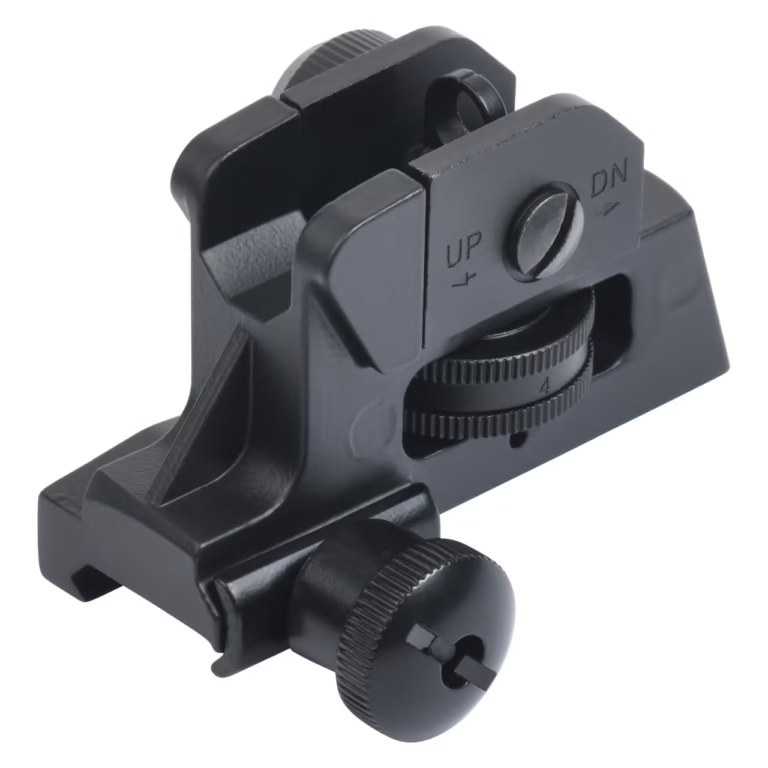
Iron sights have been a staple feature on firearms for centuries, providing shooters with a reliable and cost-effective means of aiming their weapon. On the modern AR rifle platform, iron sights continue to be a popular choice among gun enthusiasts for their simplicity and durability. However, as technology advances and optics become more prevalent, the debate over the pros and cons of using iron sights on an AR rifle has intensified. In this article, we will explore the benefits and drawbacks of utilizing iron sights on your AR rifle, helping you make an informed decision about which sighting system is right for your shooting needs.
The Advantages of Iron Sights on an AR Rifle
- Reliability: Iron sights are simple, rugged, and reliable. They don’t rely on batteries or electronics to function, making them a dependable option in all conditions.
- Backup: Iron sights can serve as a backup if your primary optic fails. Having iron sights on your AR rifle ensures that you always have a reliable aiming solution.
- Training: Using iron sights improves marksmanship skills by encouraging shooters to focus on alignment and sight picture. It is a fundamental skill that every shooter should master before moving on to more advanced optics.
In conclusion, the advantages of using iron sights on an AR rifle make them a valuable addition to any shooter’s toolkit. Their reliability, backup capabilities, and training benefits make them essential for both novice and experienced shooters alike. Consider adding iron sights to your AR rifle setup for improved performance and versatility in any shooting scenario.
Choosing the Best Iron Sights for Your AR Rifle
When selecting iron sights for your AR rifle, consider factors such as durability, ease of use, and compatibility with your shooting style. Look for sights made from high-quality materials like steel or aluminum to ensure they can withstand rough handling and environmental conditions. Opt for sights that are easy to adjust so you can quickly zero in on your target without hassle.
Choose between different types of iron sights, such as traditional post and aperture sights or more advanced options like flip-up sights or night sights. Consider whether you prefer a simpler sight picture or additional features like illuminated dots for low-light shooting. Ultimately, the best iron sights for your AR rifle will depend on your individual needs and preferences.
Ensure that the iron sights you choose complement your shooting skills and enhance accuracy when using them in conjunction with other optics or accessories on your AR rifle. Remember to practice regularly with your chosen iron sights to familiarize yourself with their operation and improve your marksmanship skills effectively. Equipping a rifle silencer further elevates your range experience by significantly reducing muzzle blast and noise, allowing for greater focus and more comfortable sessions during target practice.
Iron Sights vs Optics: A Comparison
Iron sights are traditional, reliable, and low-cost aiming devices for AR rifles. They provide a clear sight picture and do not require batteries to operate. However, they may be challenging to use in low light or long-range shooting situations.
On the other hand, optics such as red dot sights or scopes offer enhanced accuracy and target acquisition speed. They are effective in various lighting conditions and can improve shooter proficiency over longer distances. Nonetheless, optics are typically more expensive than iron sights and may require additional maintenance.
In conclusion, choosing between iron sights and optics ultimately depends on personal preferences, budget considerations, and intended usage scenarios. Both aiming systems have their own set of advantages and limitations that should be carefully weighed before making a decision on which one is best suited for your AR rifle setup.
The Drawbacks of Using Iron Sights on an AR Rifle
- Limited Range: Iron sights are not as precise as optical sights, making it harder to hit targets at longer distances. This limitation can be especially challenging for shooters who require high accuracy in their shooting activities.
- Slower Target Acquisition: When using iron sights, shooters need to align the front and rear sights with the target manually, which takes more time compared to simply looking through a red dot or scope. This slower target acquisition can be a significant drawback in scenarios where quick reaction times are crucial.
- Visibility Issues: In low light conditions or adverse weather, such as rain or fog, iron sights may become less visible, hindering the shooter’s ability to accurately aim at their target. This decreased visibility can lead to missed shots and reduced overall performance with an AR rifle equipped with iron sights.
